Last Updated or created 2023-10-09
I’m always looking for new better ways to document stuff.
I’ve tested a lot, some things i’ve used personally for years.
Same or other tools I implemented also at Customers.
Everybody starts off with text files.
Then I used Hyper when I was using MS-Dos.
Many wiki’s came, and went.
- Twiki – Work
- Foswiki – Work, Highland Valley Pipeband, personal
- Docuwiki
- MediaWiki (pipetunesearch) and more
I tried to document in wordpress, but that’s not suitable.
I still got stuff in Nextcloud, Google Drive and Joplin. These are only for fast access to unstructured information.
I don’t like Wysiwig that much, also I like to use OpenSource and Open standards.
So discovering a knowledge base engine like Bookstack is always nice.
I installed a docker version in my Lab to experiment with.
So far so good.
Markup Language, and export to PDF, Markup, Html and Contained webfile.
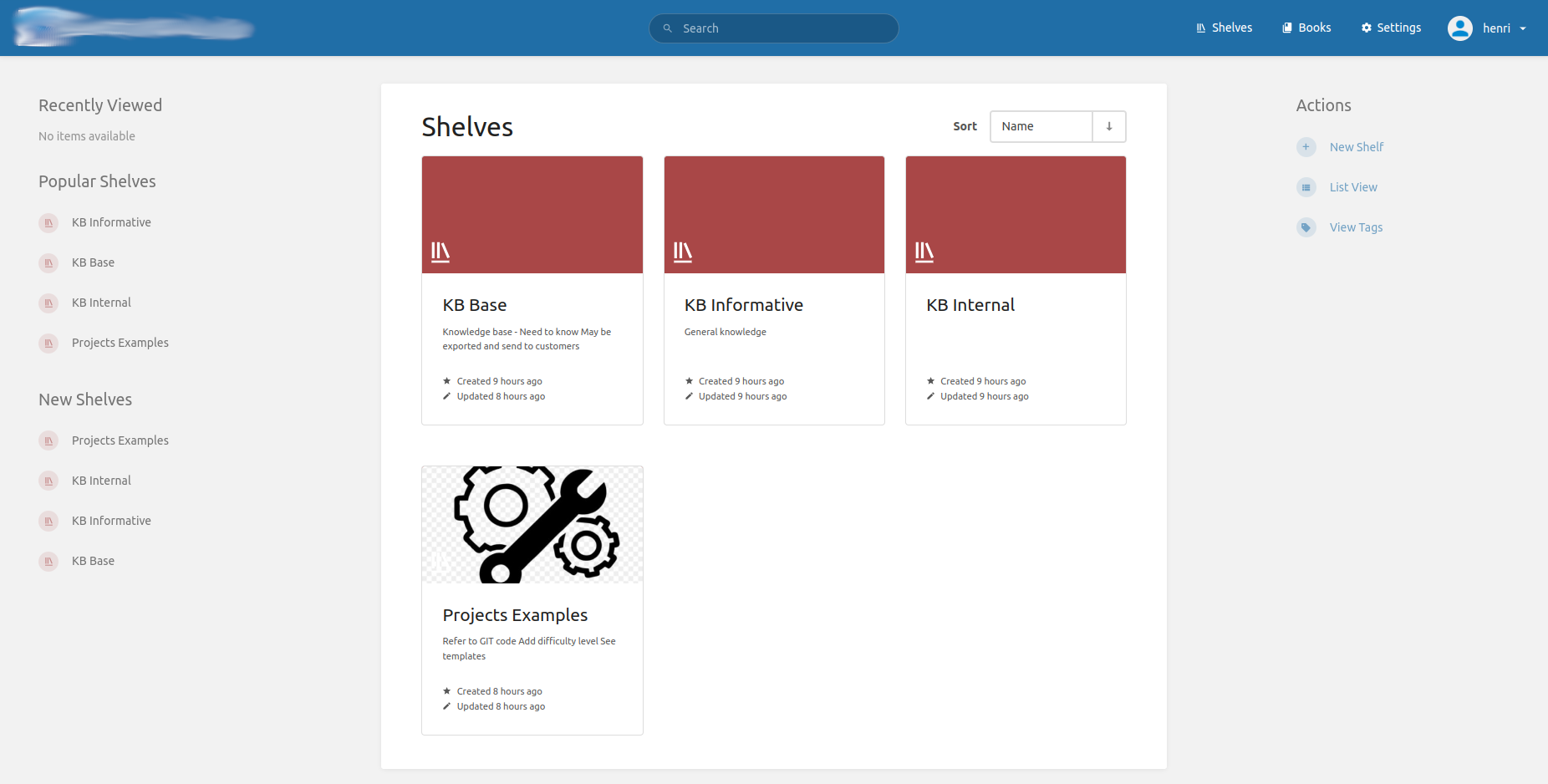
I’ve changed the docker-compose.yml because I’ve got my dedicated Database server for that:
---
version: "2"
services:
  bookstack:
    image: lscr.io/linuxserver/bookstack
    container_name: bookstack
    environment:
      - PUID=1000
      - PGID=1000
      - APP_URL=http://bookstack.henriaanstoot.nl:6875/
      - DB_HOST=IPDATABASESERVER
      - DB_PORT=3306
      - DB_USER=bookstackuser
      - DB_PASS=bookstackpassword
      - DB_DATABASE=bookstackapp
    volumes:
      - ./bookstack_app_data:/config
    ports:
      - 6875:80
    restart: unless-stopped
    volumes:
      - ./bookstack_db_data:/config
    restart: unless-stopped
While playing with this I forgot my credentials .. duh
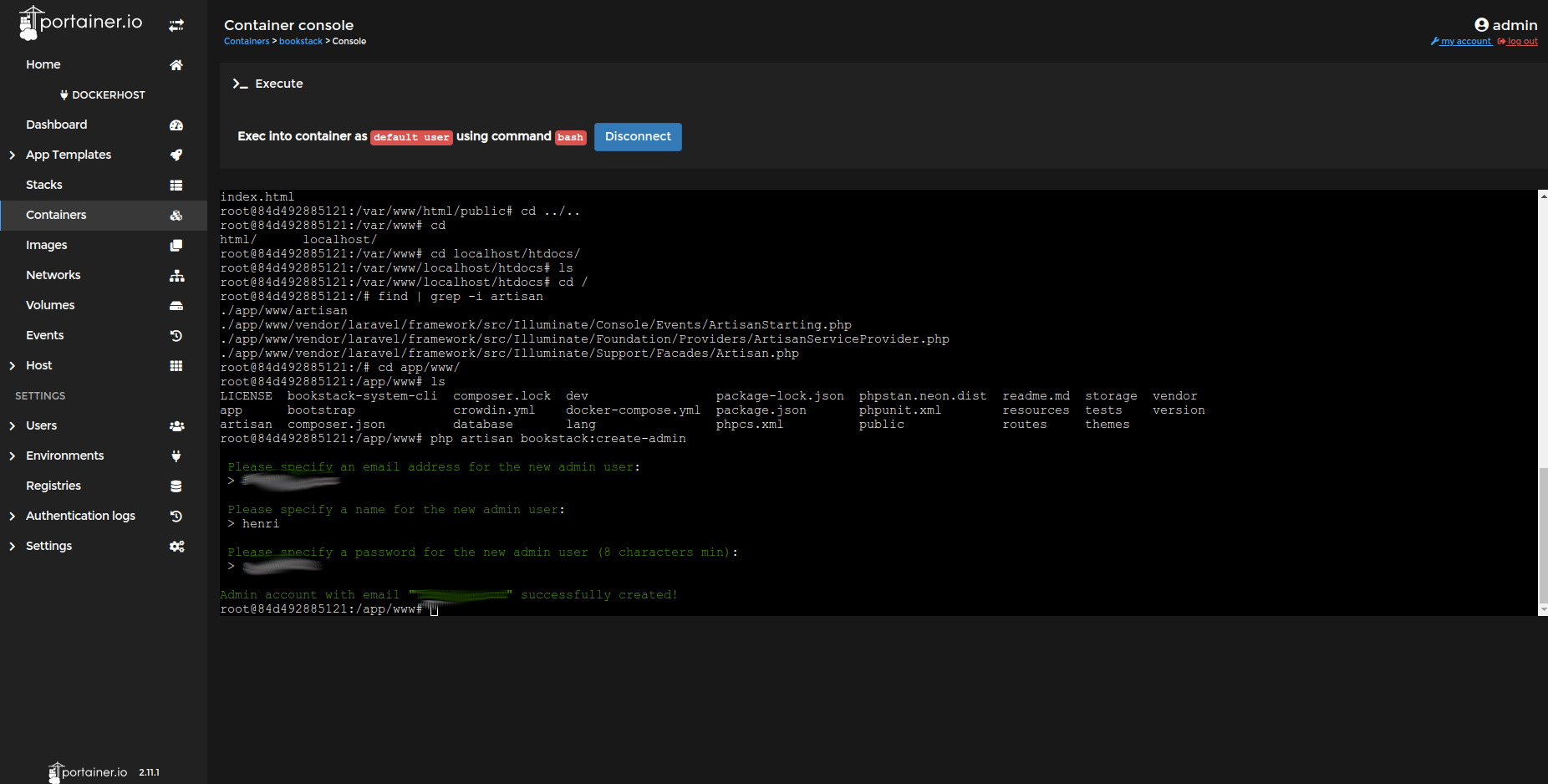
Using portainer terminal access to the docker to add a new admin user