Our Onkyo was giving problems, some channels are breaking up. To have some channels back, we needed to crank up the volume for a few seconds.
So I thought .. preamps!
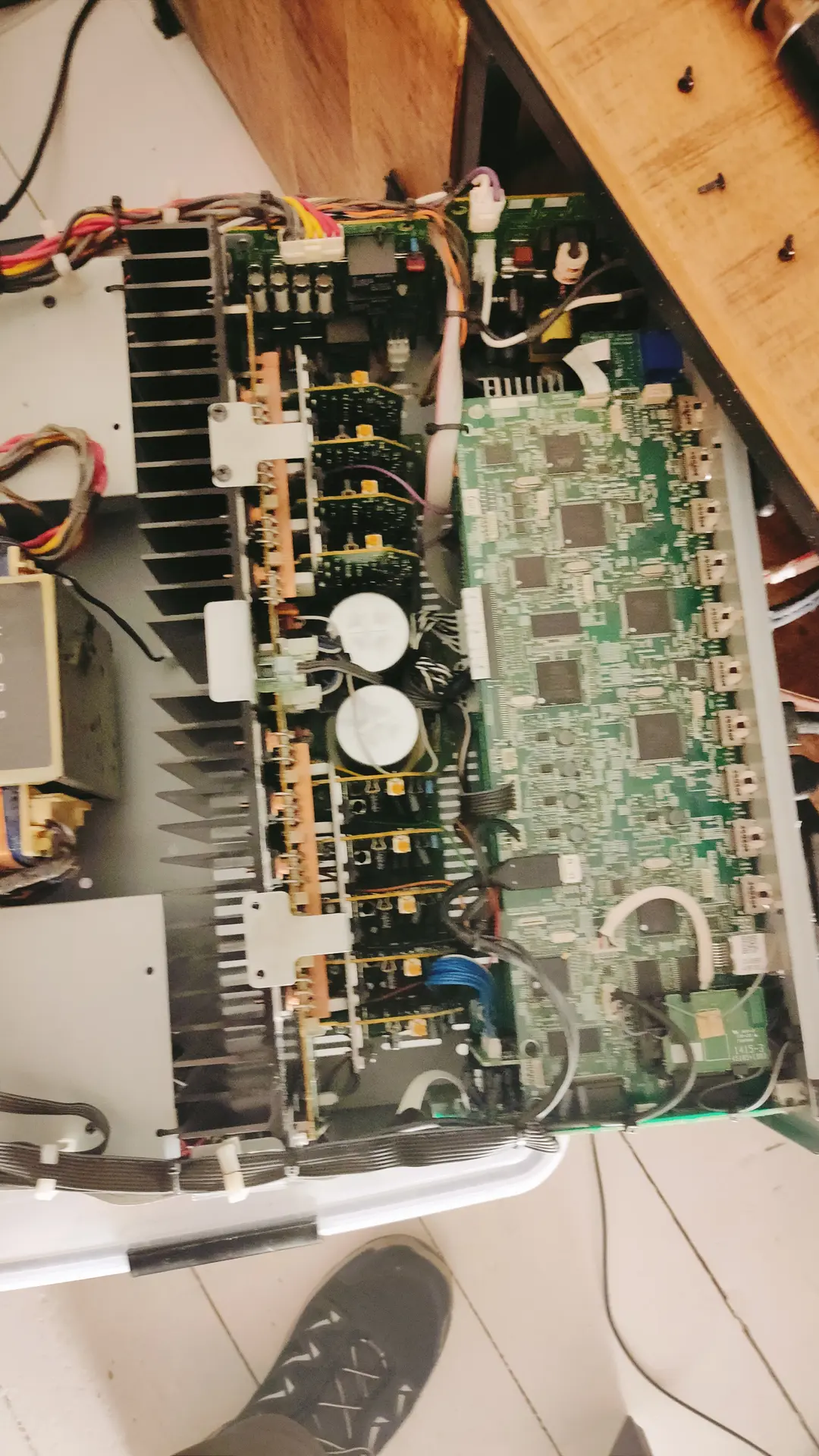
So I opened the Onkyo and started investigating.
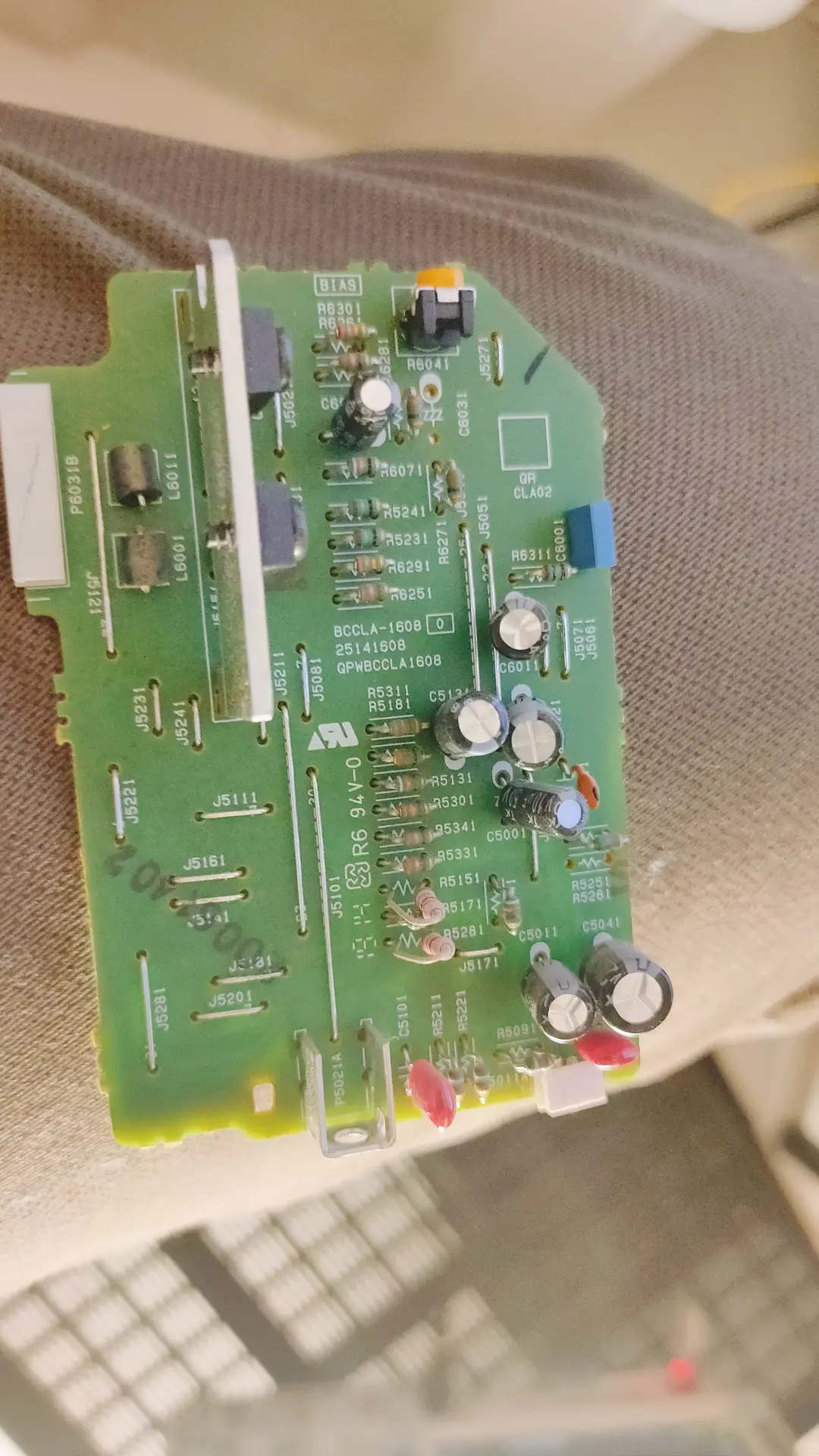
We used it as a 5.1 surround sound system. So I’ve got PreAmp channels to spare, so lets switch the boards!
Well, that didn’t work. Reading forums, it COULD be the sound chip, on the main board. Because of the heat over the years, it could losing contact with the main PCB.
So I put my heatgun to work, but to no avail. One of the square chips on the right in first photo.
The AMP being 15+ years old, we decided to get a new one. Researching best amp’s in 2026 … in our price range.
Onkyo TX-RZ50
Amazing …
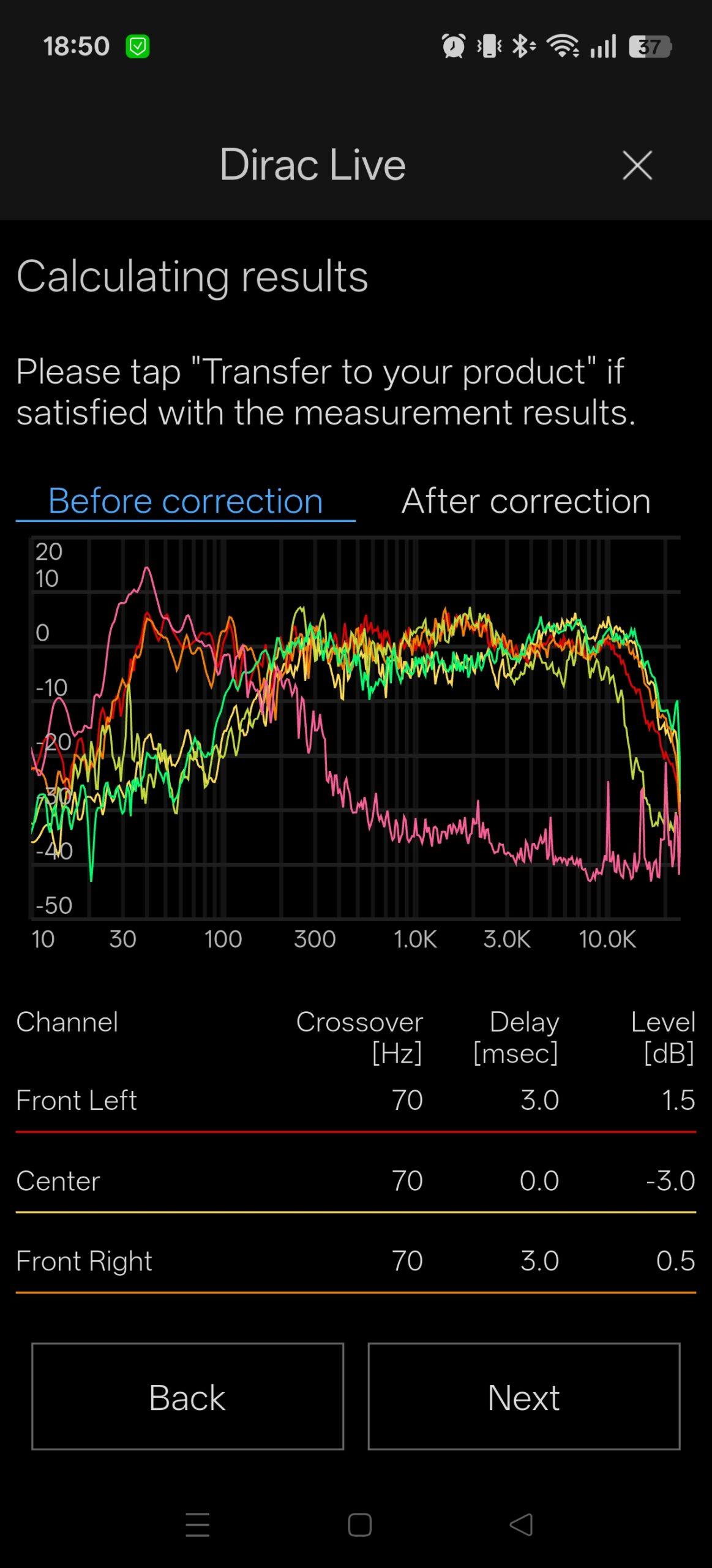
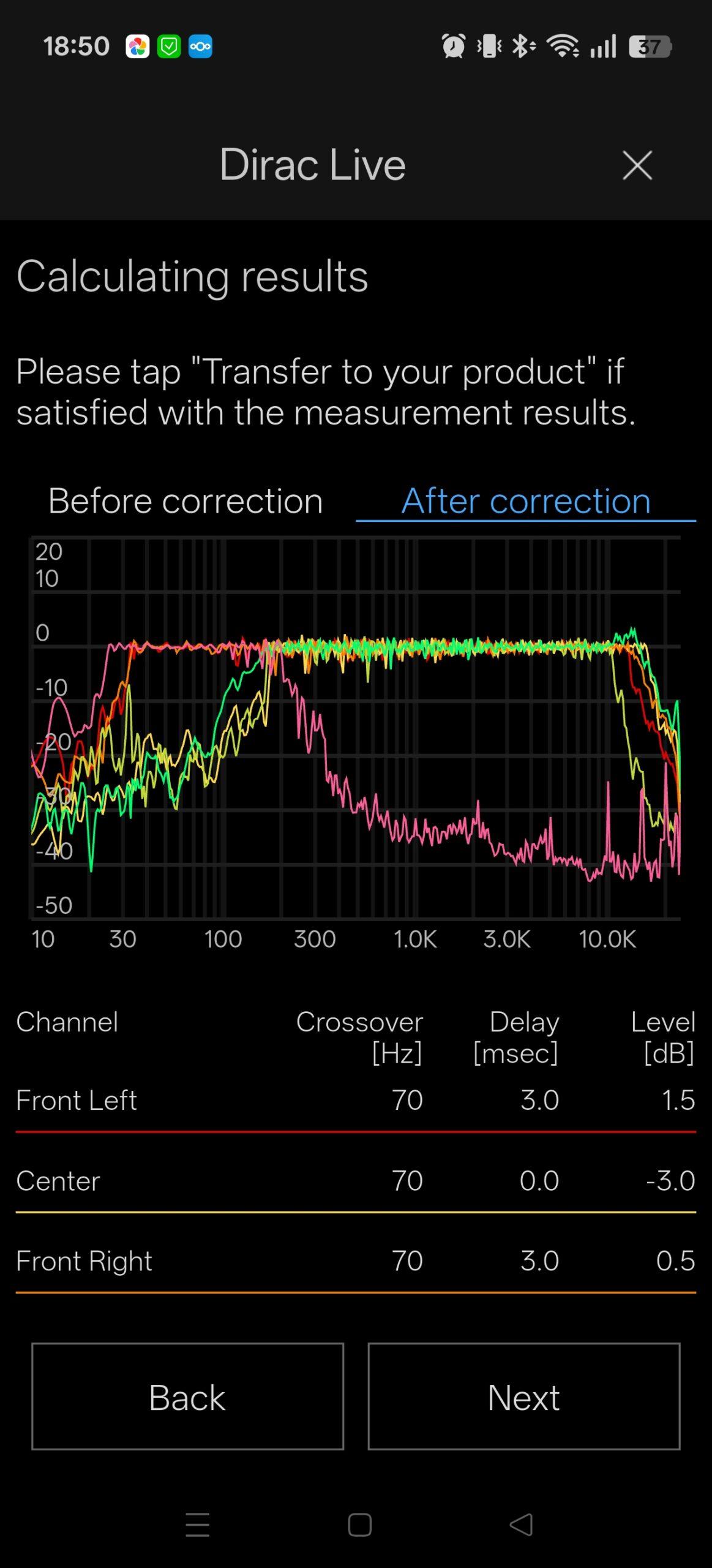
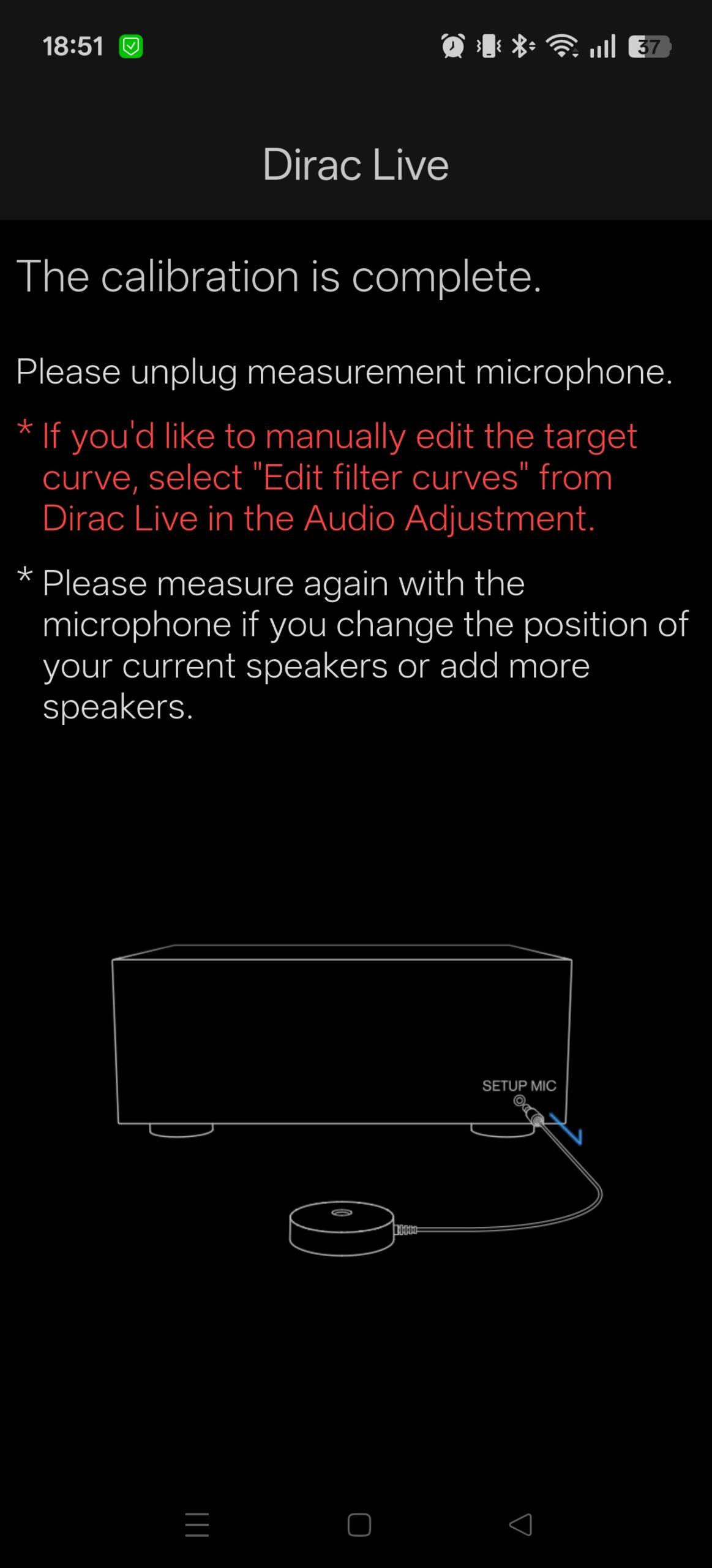
Using the DIRAC sound setup, perfect again.
Using the same IP, our Home Assistant setup mostly worked without changing much.
DeArrow is an open source browser extension for crowdsourcing better titles and thumbnails on YouTube. The goal is to make titles accurate and reduce sensationalism. No more arrows, ridiculous faces, and no more clickbait.
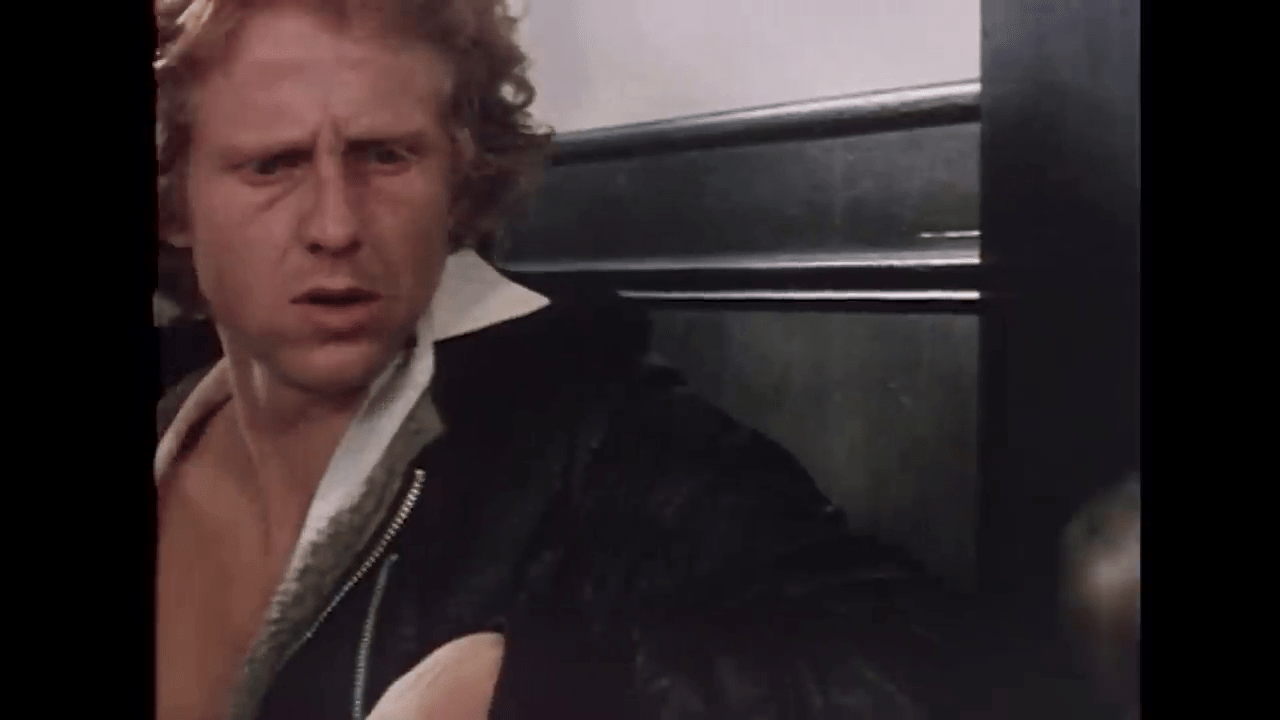
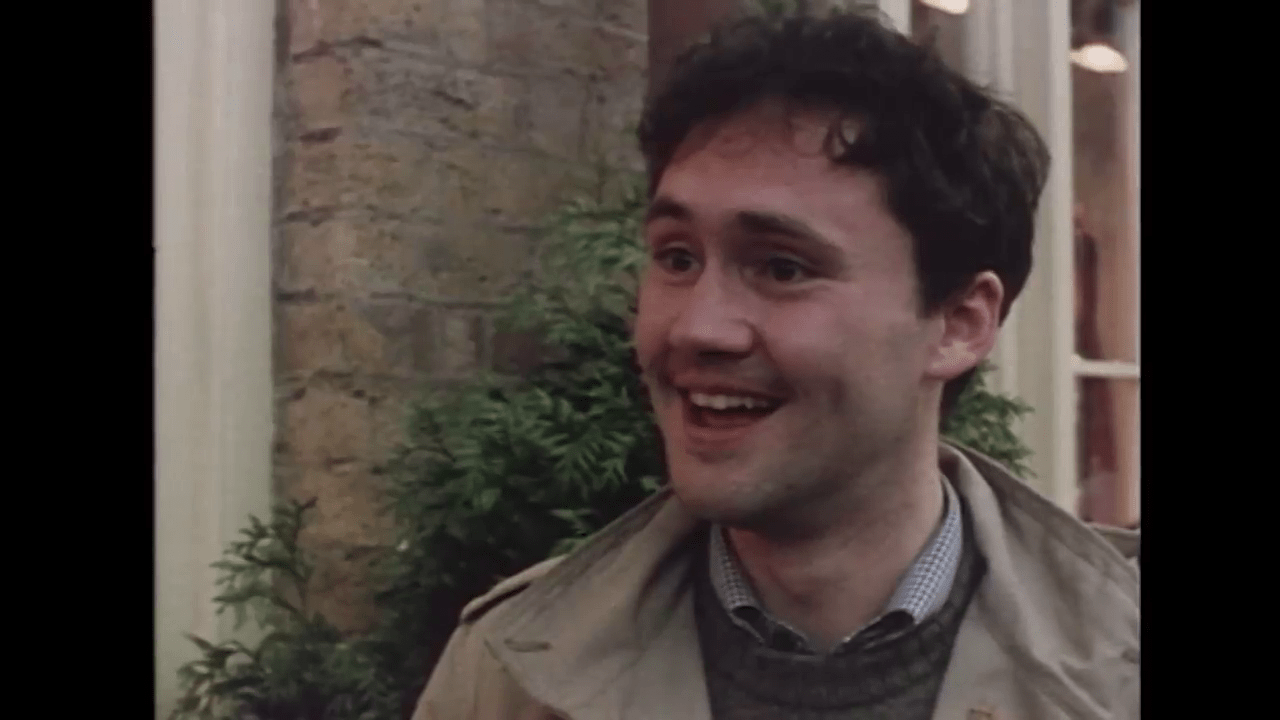
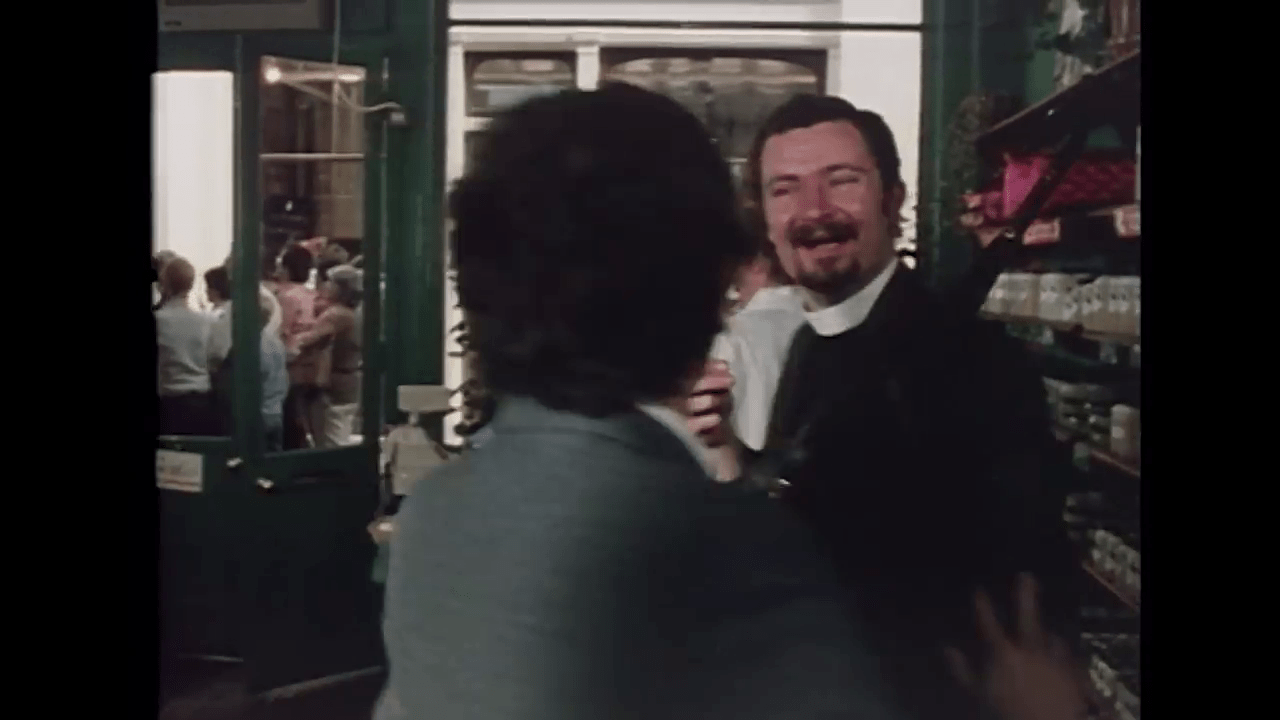
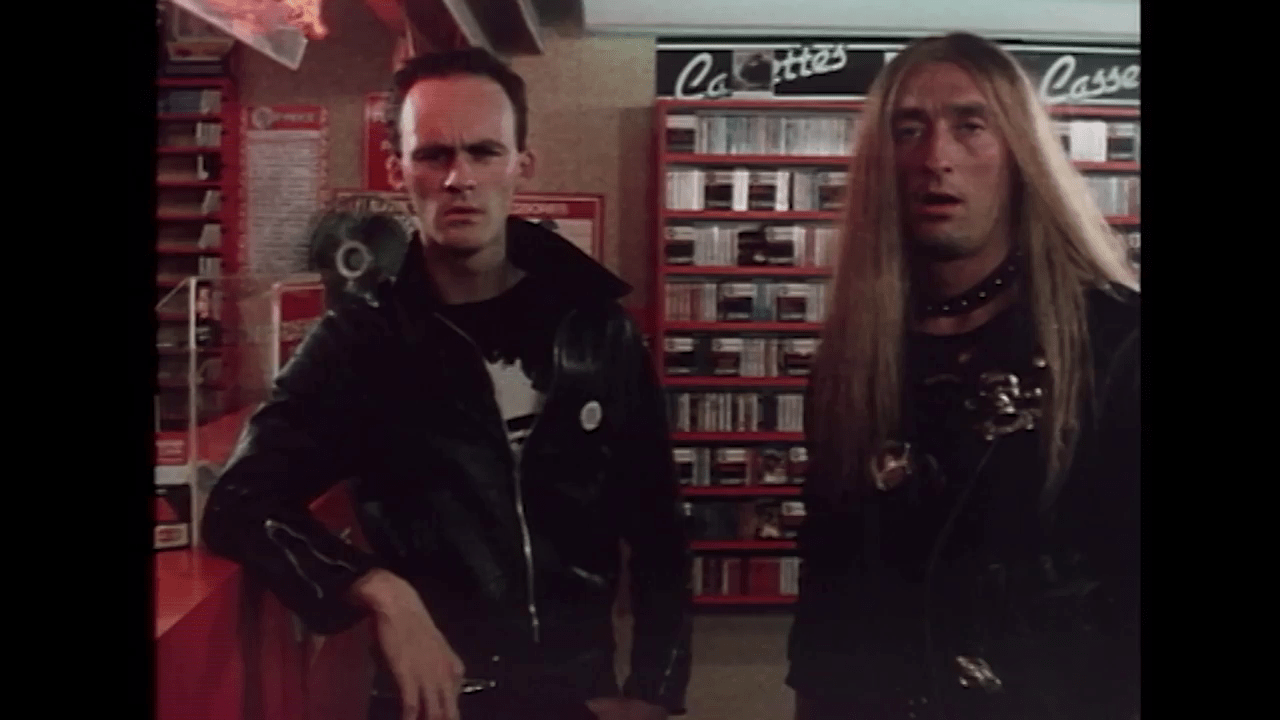
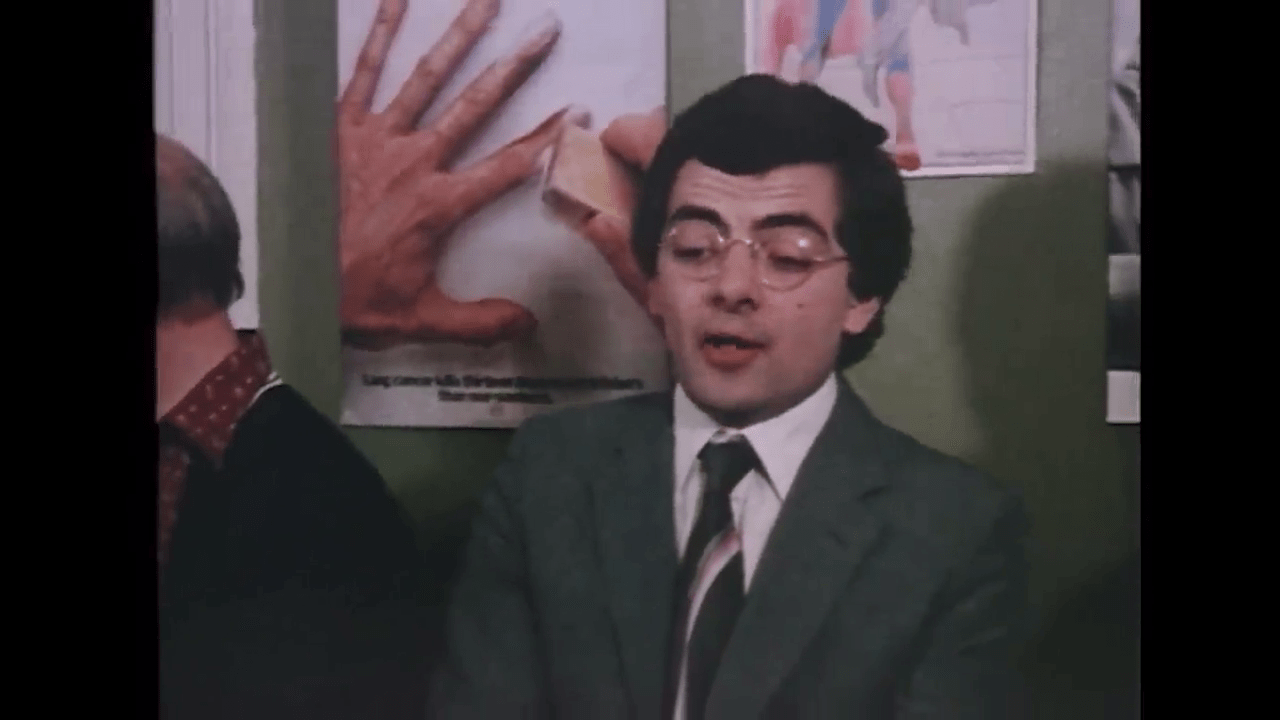
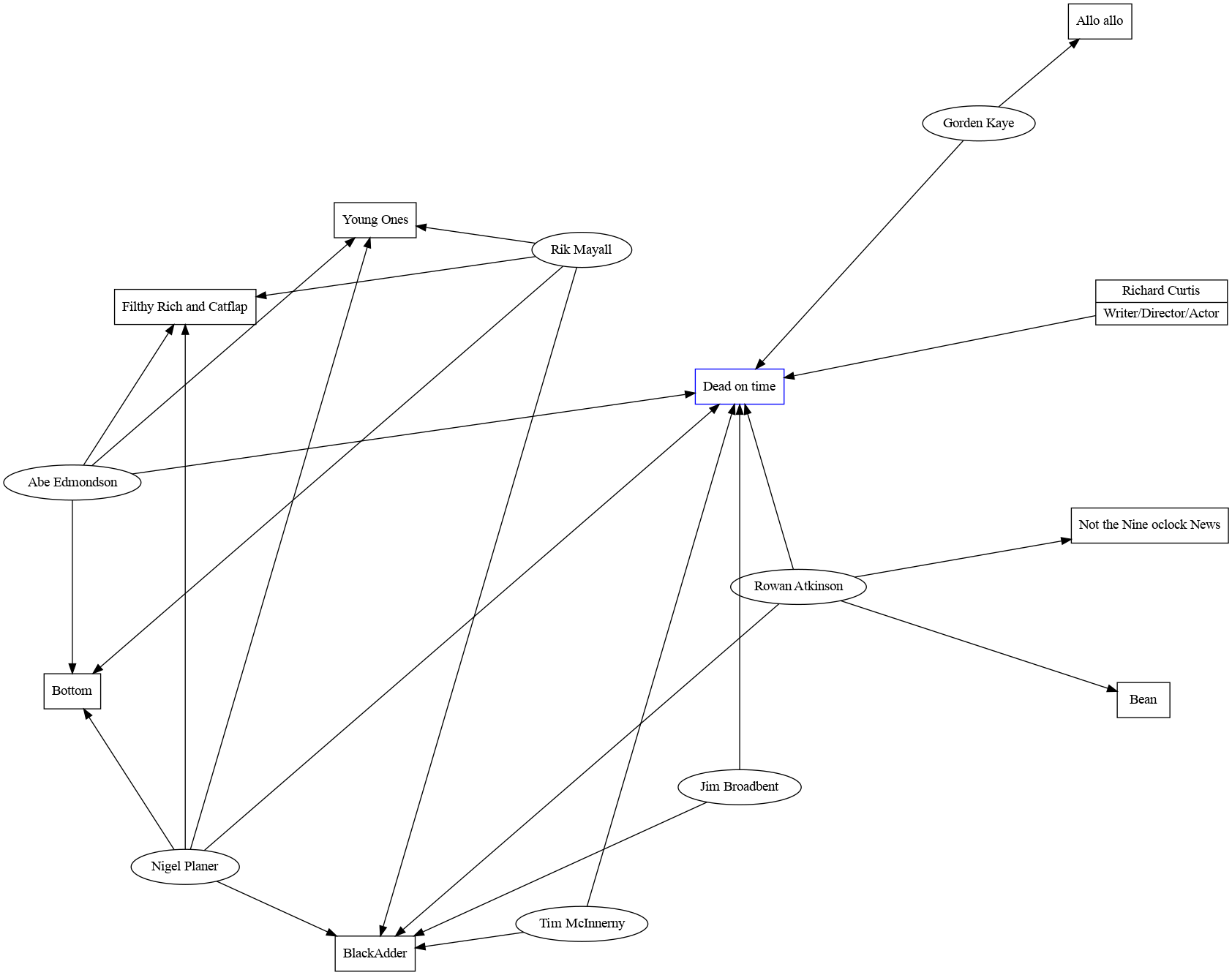
While watching this movie on YouTube, I recognised several people in small roles. Most of them their first roles. (I never knew about this short before last night)
It is the first (short) movie by Richard Curtis, a (now) famous writer/director. (Mr Bean, The Black Adder) He only did “Not the nine O’clock News” before that.
The Wilhelm scream is a stock sound effect that has been used in many films and TV series, beginning in 1951 with the film Distant Drums. The scream is usually used when someone is shot, falls from a great height, or is thrown from an explosion. See also Squeaky door.
(Bottom, Dangerous (Danger) Brothers, Young Ones, Black Adder etc)
I love the live shows, I’ve mentioned that before.
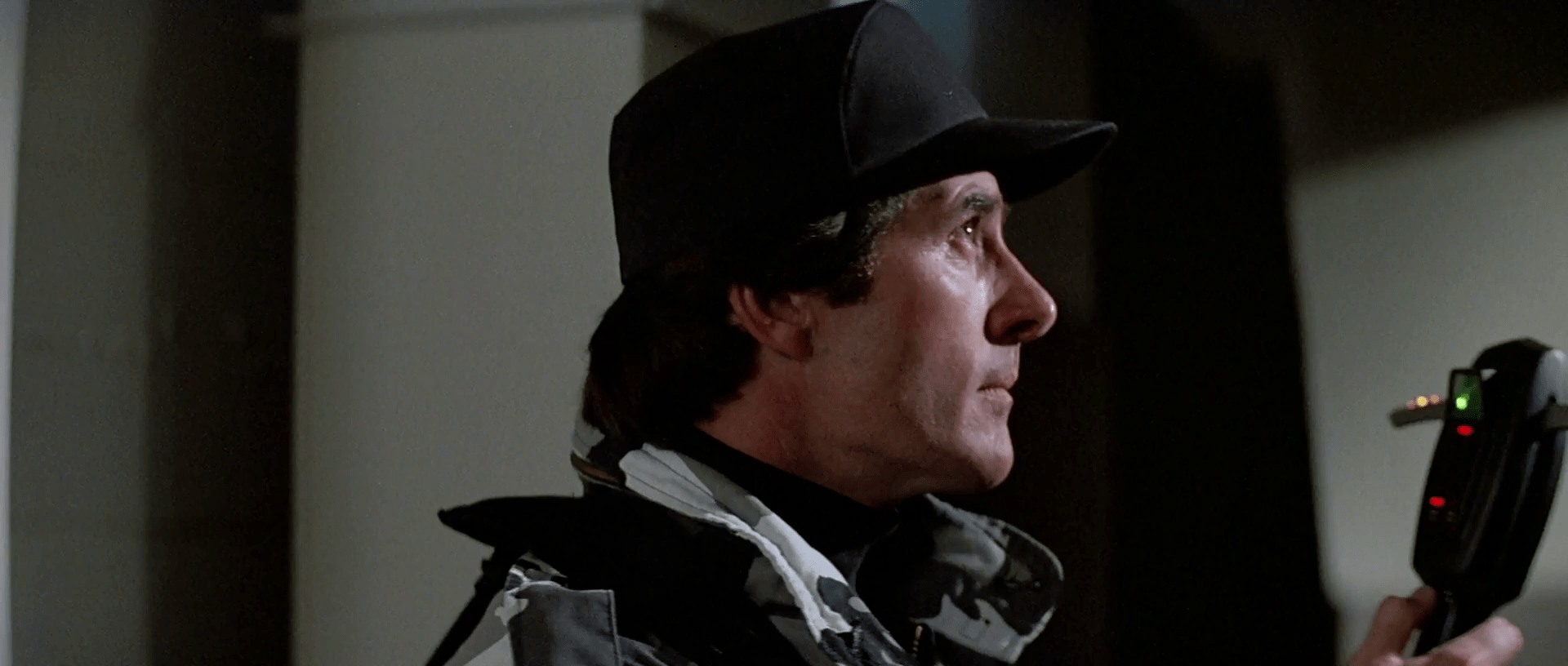
Today we were watching a movie, just one in our collection. It was American Werewolf in London. I knew there were some great practical effects in there. (All pre CGI)
Then I saw a face a few seconds. Damn could it be Rik?
Yes it is ..
But I know he did several movies
Drop dead fred
Guest House Paradiso
Harry Potter
Welllllll, I more identify with Ade.
Bald, mostly interested in being drunk, and playing in a folkband. 🙂
I didn’t find an easy and working movie player for wide screen setups. Like double/triple monitor setups.
I’ve got 3x 1920×1080 monitors connected to my battlestation. With a resolution of 5760×1080
Simple Python code to play a movie fullscreen
# importing vlc module
import vlc

# creating vlc media player object
media_player = vlc.MediaPlayer()

# media object
media = vlc.Media("movie.mp4")

# setting media to the media player
media_player.set_media(media)
media_player.toggle_fullscreen()

# start playing video
media_player.play()
But trying to get this stable working, I resorted to pysimplegui
#!/usr/bin/env python3

import PySimpleGUI as sg
import vlc
import sys
from sys import platform as PLATFORM

try:
    movie=sys.argv[1]
except:
    print(sys.argv[0] +  " filename")
    exit()

sg.theme('DarkBlue')

layout = [[sg.Image('', size=(5760, 1080), key='-VID_OUT-')]]
window = sg.Window('Triple movie player', layout, no_titlebar=True, margins=(0,0),location=(0,0), size=(5760,1080), keep_on_top=True, finalize=True,resizable=False)

window.bring_to_front()
window.Maximize()
window.bind("<Escape>", "-ESCAPE-")
window.bind("<Return>", "-ENTER-")

window['-VID_OUT-'].expand(True, True)

inst = vlc.Instance()
list_player = inst.media_list_player_new()

media_list = inst.media_list_new([])
list_player.set_media_list(media_list)
player = list_player.get_media_player()

if PLATFORM.startswith('linux'):
    player.set_xwindow(window['-VID_OUT-'].Widget.winfo_id())
else:
    player.set_hwnd(window['-VID_OUT-'].Widget.winfo_id())

media_list.add_media(movie)
list_player.set_media_list(media_list)
list_player.play()
while True:
    event, values = window.read(timeout=1000)

    if event == sg.WIN_CLOSED:
        break
    if event == '-ENTER-':
        list_player.play()
    if event == '-ESCAPE-':
        list_player.stop()
        window.close()
window.close()
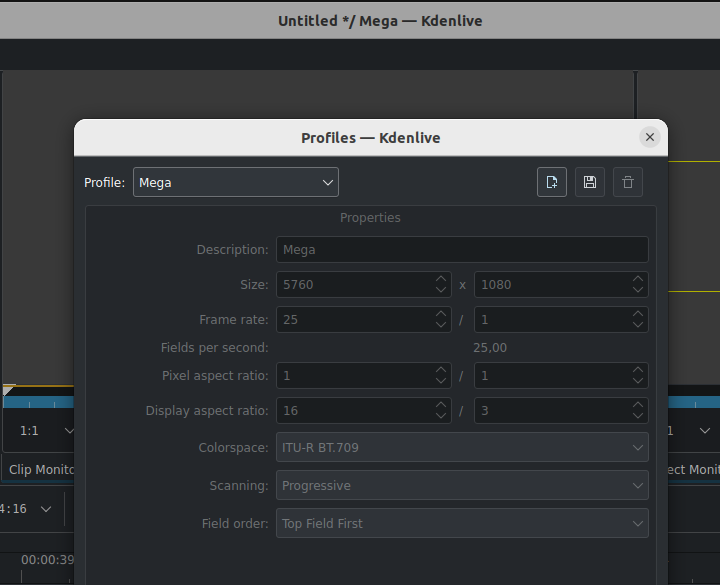
I’ve converted some of my Vuze media to the correct resolution using kdenlive.
I’ve added a new profile. 5760×1080 dont forget to change the display ratio!
My girlfriend sometimes asks me what country/language is that? (When seeing written text or hearing people talk)
I’ve studied japanese a long time ago, and I still can read some characters. Sometimes the western words are translated using katakana. Those are easier. ( For years i had a little card in my wallet with katakana, written a large japanese scroll on ricepaper, a computer demo and terminal tools)
Modern Japanese is written in a mixture of three basic scripts: Kanji — which are Chinese ideographic symbols — as well as Hiragana and Katakana — two phonetic alphabets (syllables). There are a few thousand Kanji characters, while Hiragana and Katakana have 46 each
Katakana chart ア a イ i ウ u エ e オ o カ ka キ ki ク ku ケ ke コ ko サ sa シ shi ス su セ se ソ so タ ta チ chi ツ tsu テ te ト to ナ na ニ ni ヌ nu ネ ne ノ no ハ ha ヒ hi フ fu ヘ he ホ ho マ ma ミ mi ム mu メ me モ mo ヤ ya ユ yu ヨ yo ラ ra リ ri ル ru レ re ロ ro ワ wa ン n
So mostly a consonant combined with a vowel. A dash – for a dubble vowel, and a u can be silent.
My name is ヘンリ
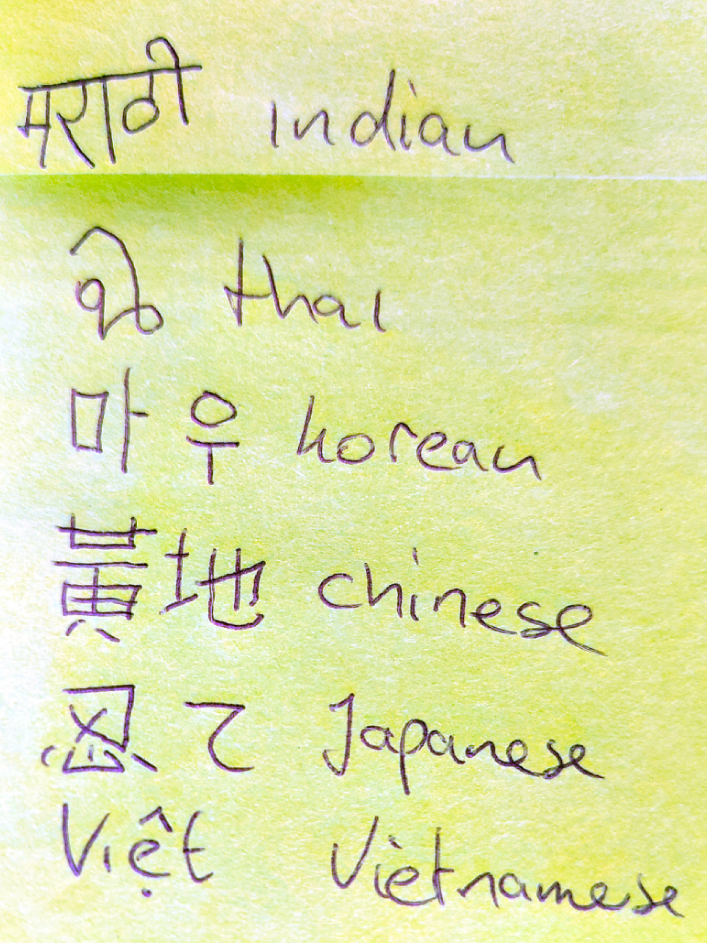
In my mind i use below to identify languages.
Indian: Lines with things hanging from it
Thai: round stuff with circles
Korean: straight lines with circles
Chinese: Very busy lines (blocks filled with lines)
Japanese: Blocks with lines alternated with simple characters
Vietnamese: They borrow chinese characters, rest “western” with dots and ^ ‘ stuff
Spoken language is difficult to explain, but these guys nail it.
"If something is worth doing, it's worth overdoing."