NOTE: Big garden and business at home
Previous ….





To …

How the F* .. should this fit?
How about teaching the public some trash awareness !
NOTE: Big garden and business at home
Previous ….
To …
How the F* .. should this fit?
How about teaching the public some trash awareness !
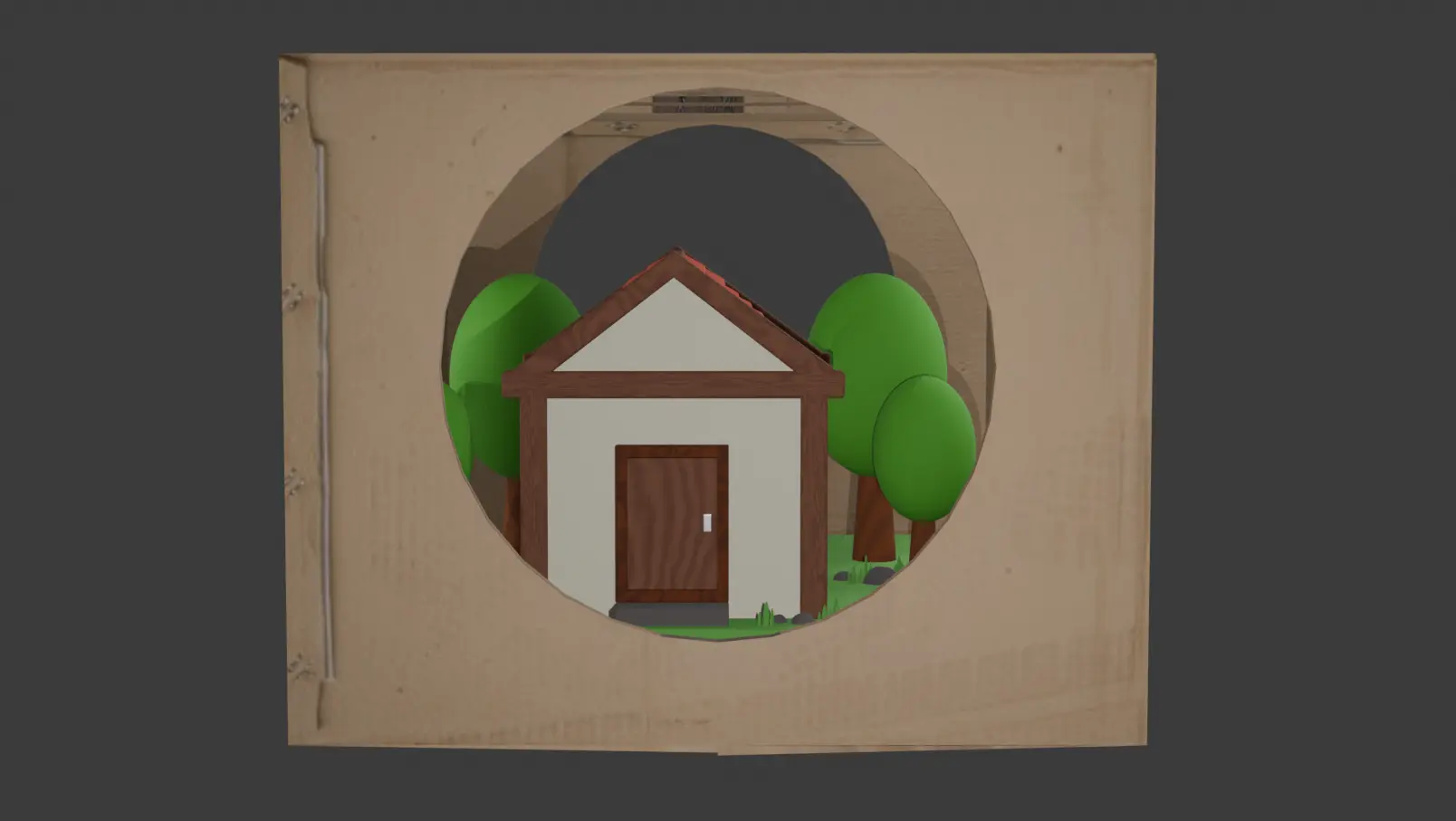
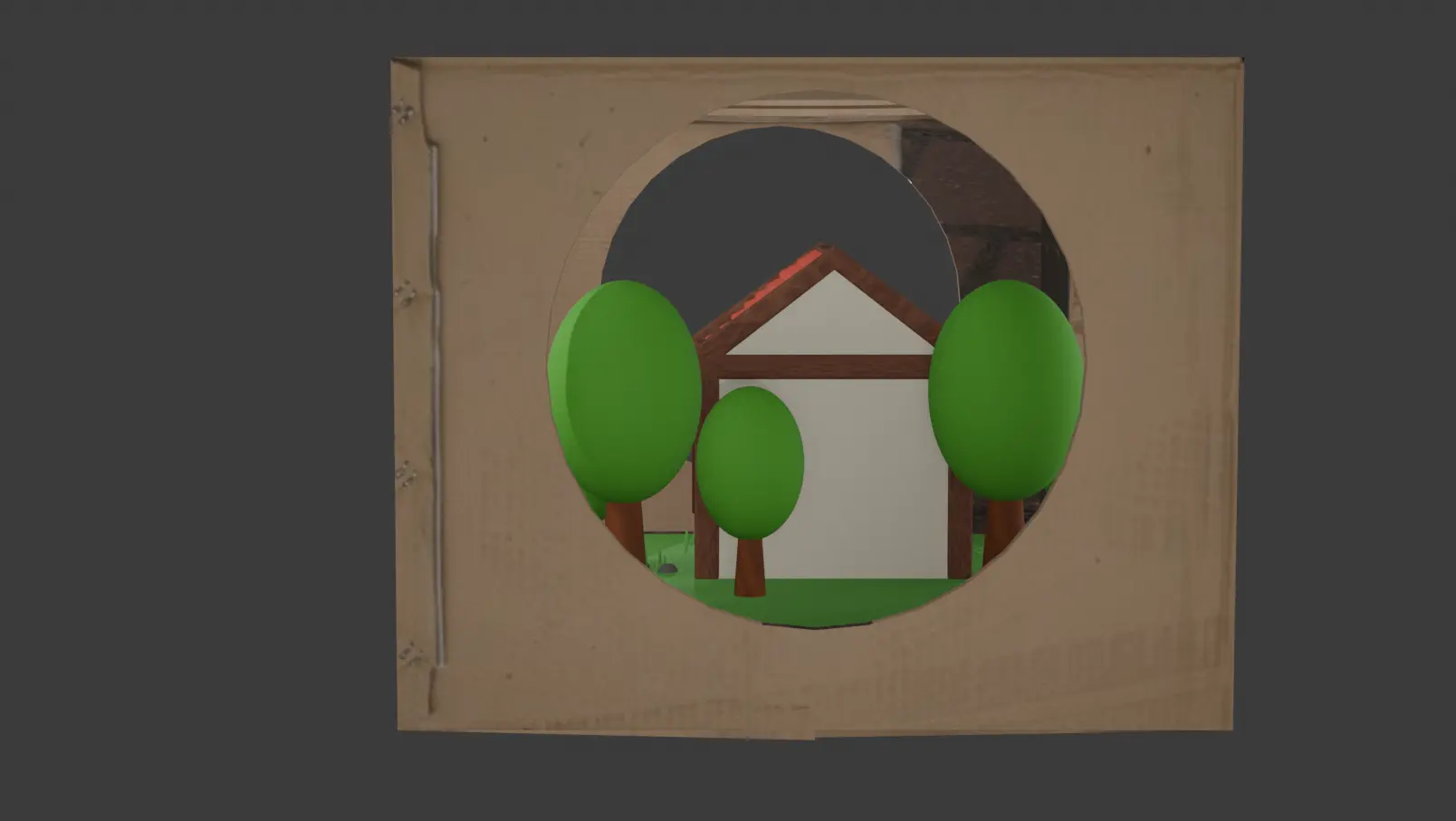
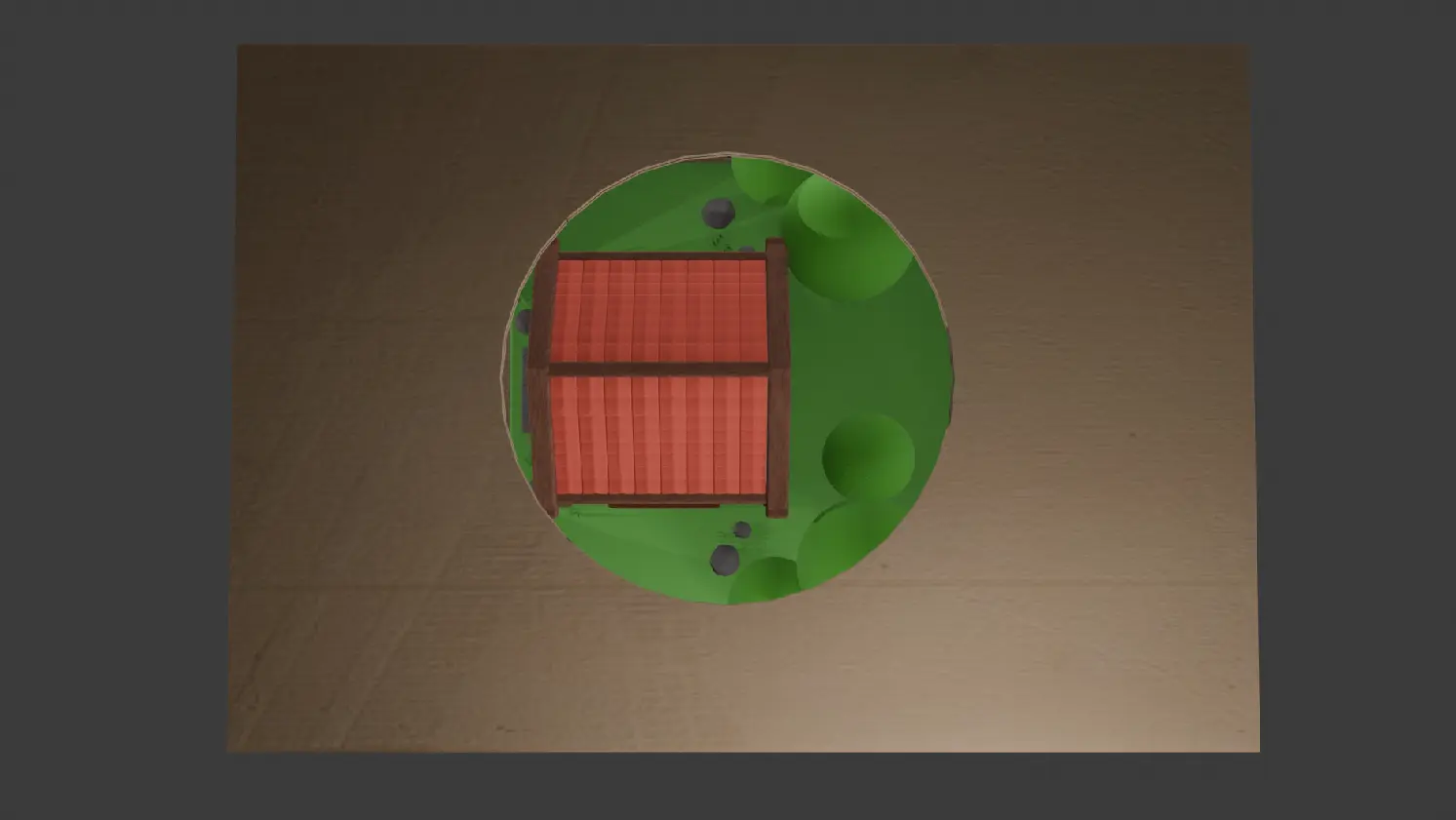
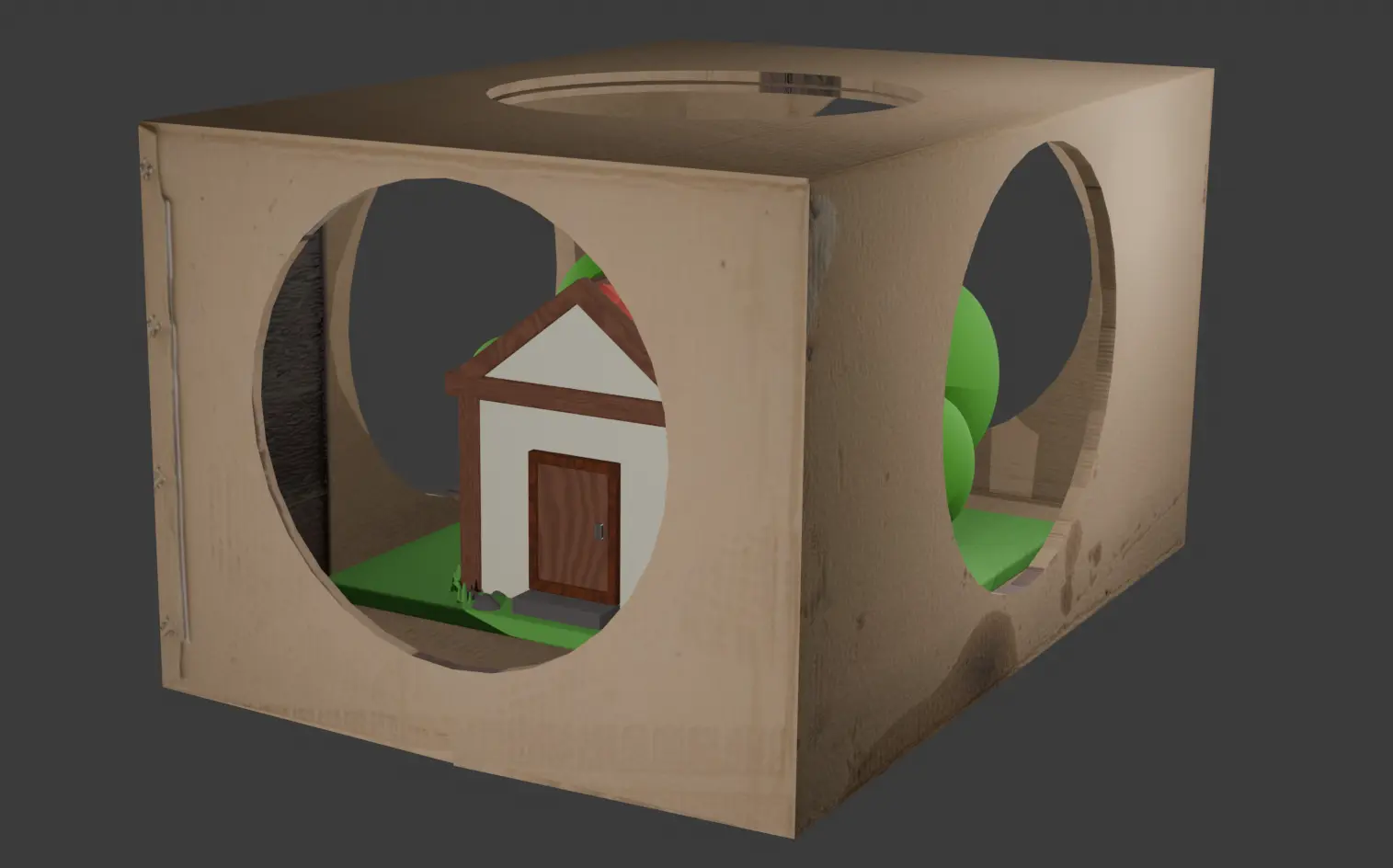
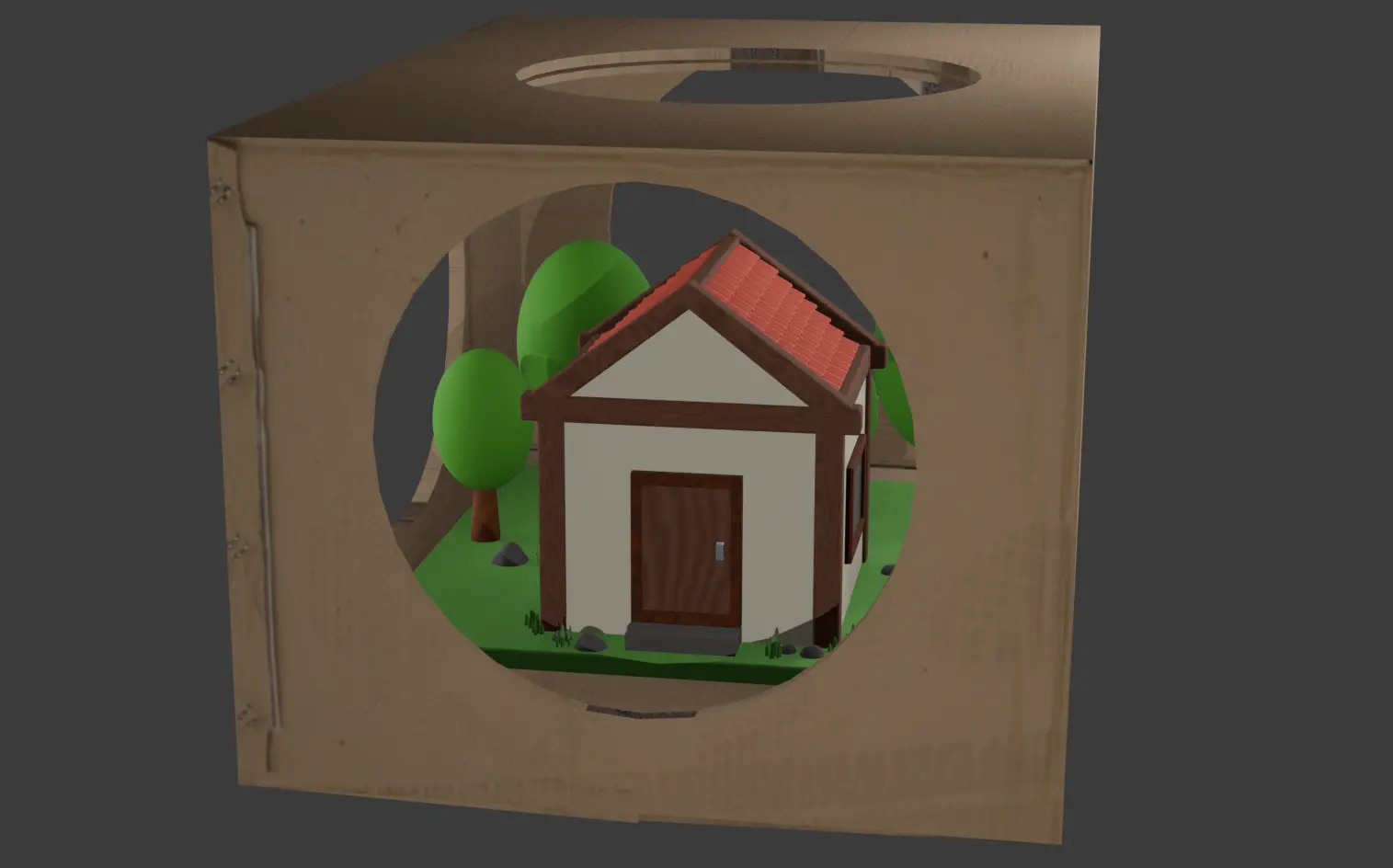
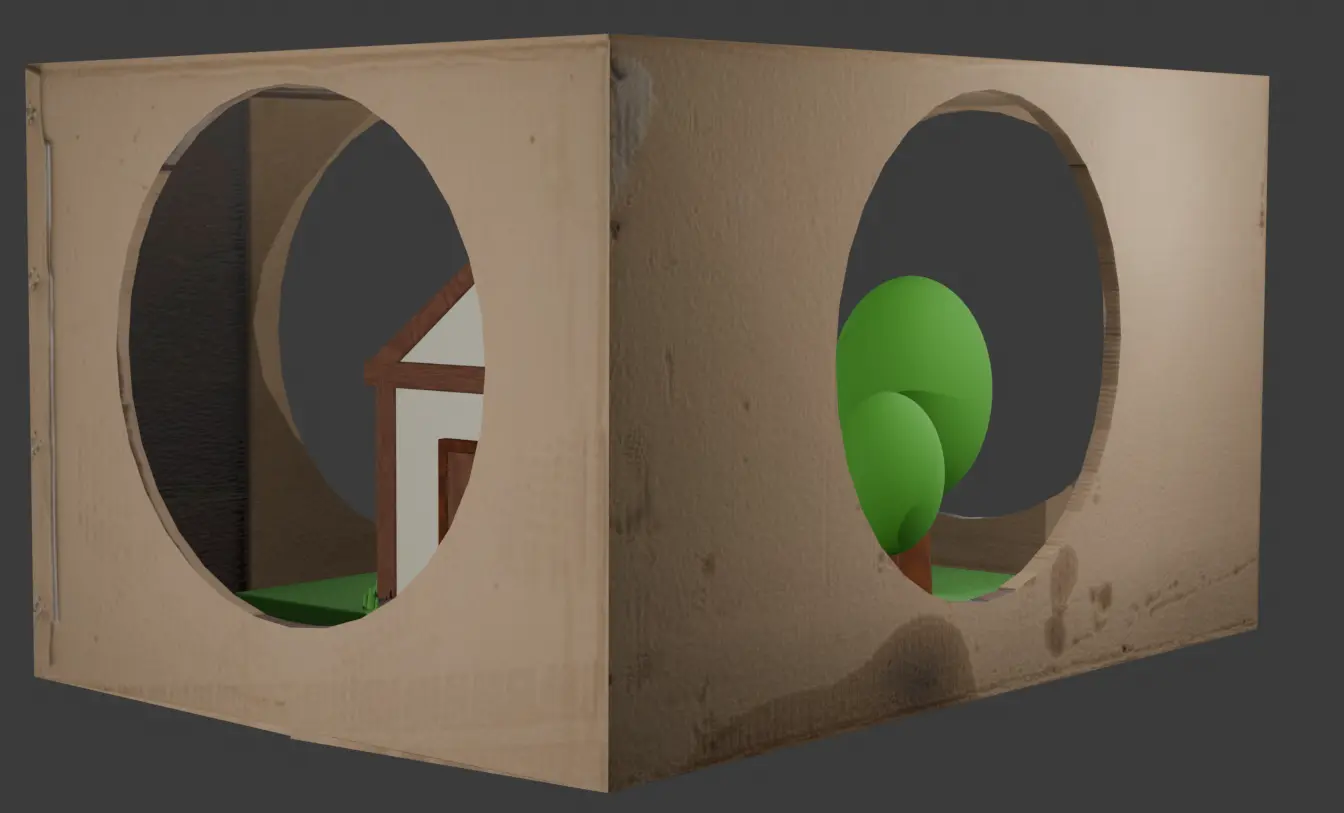
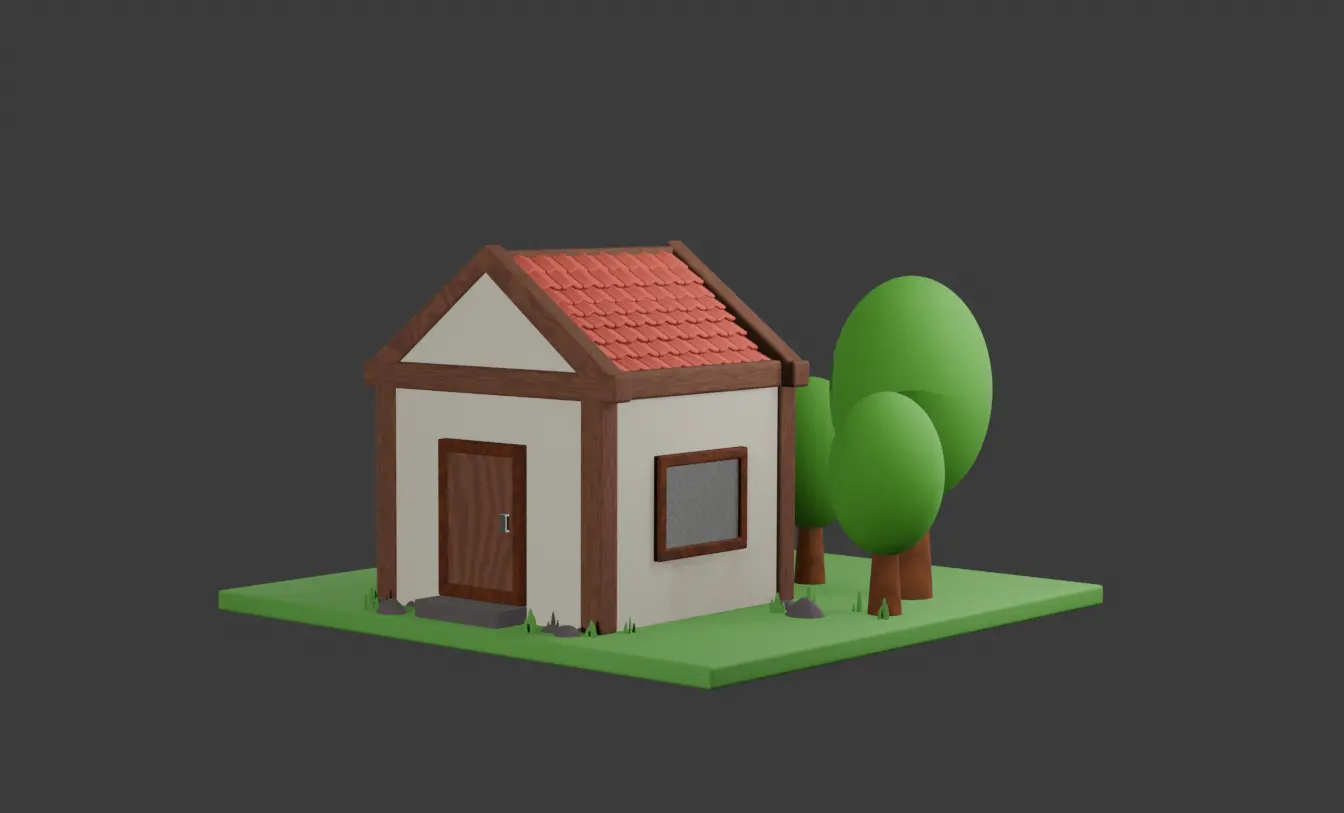
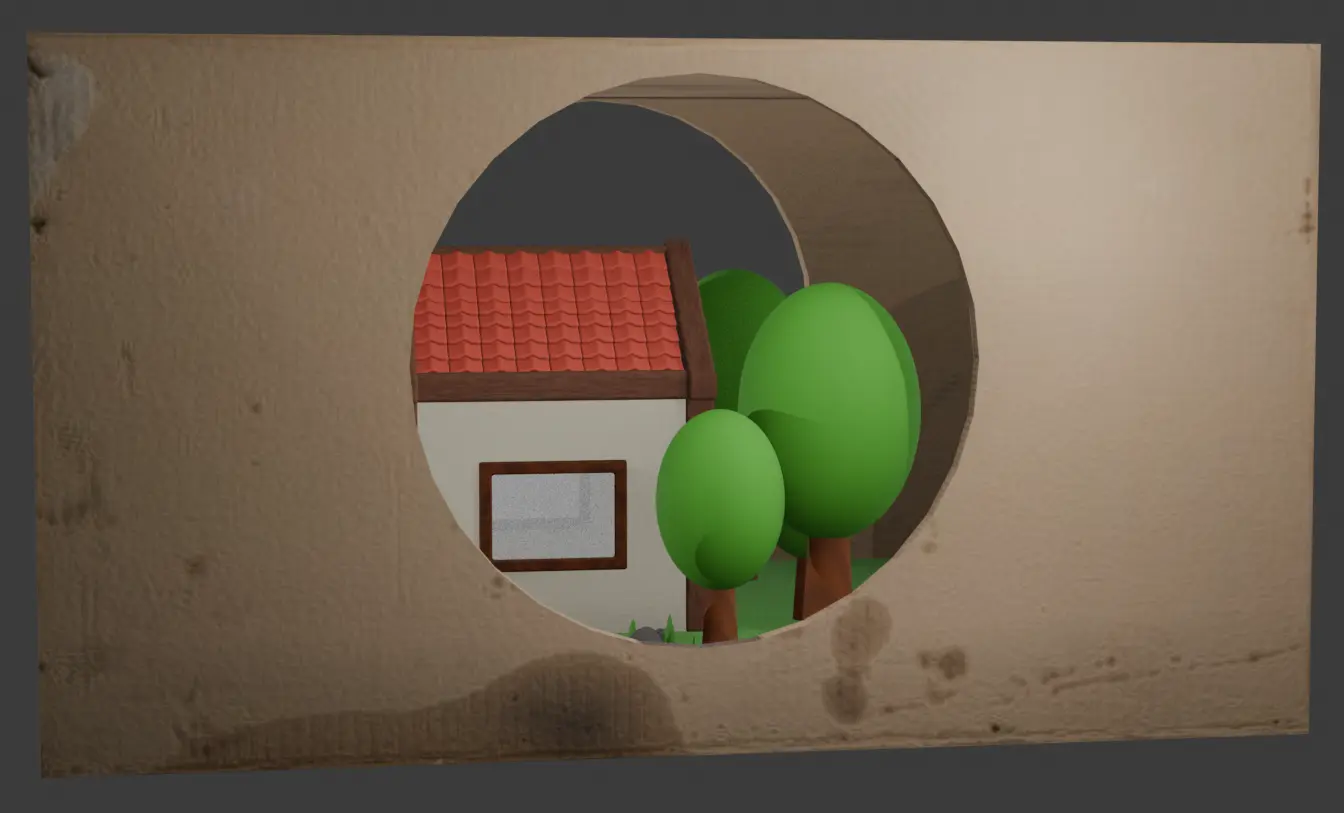
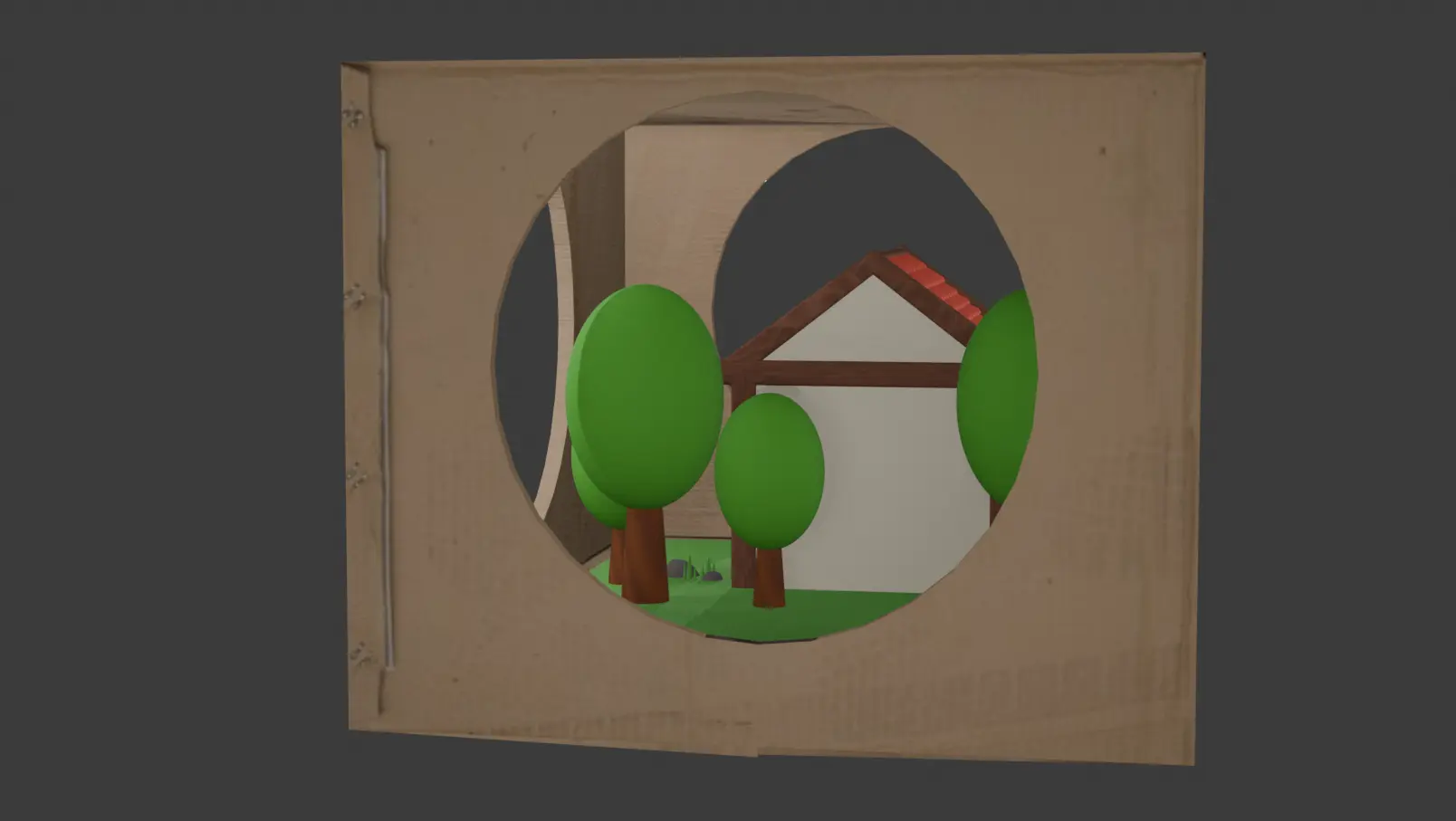
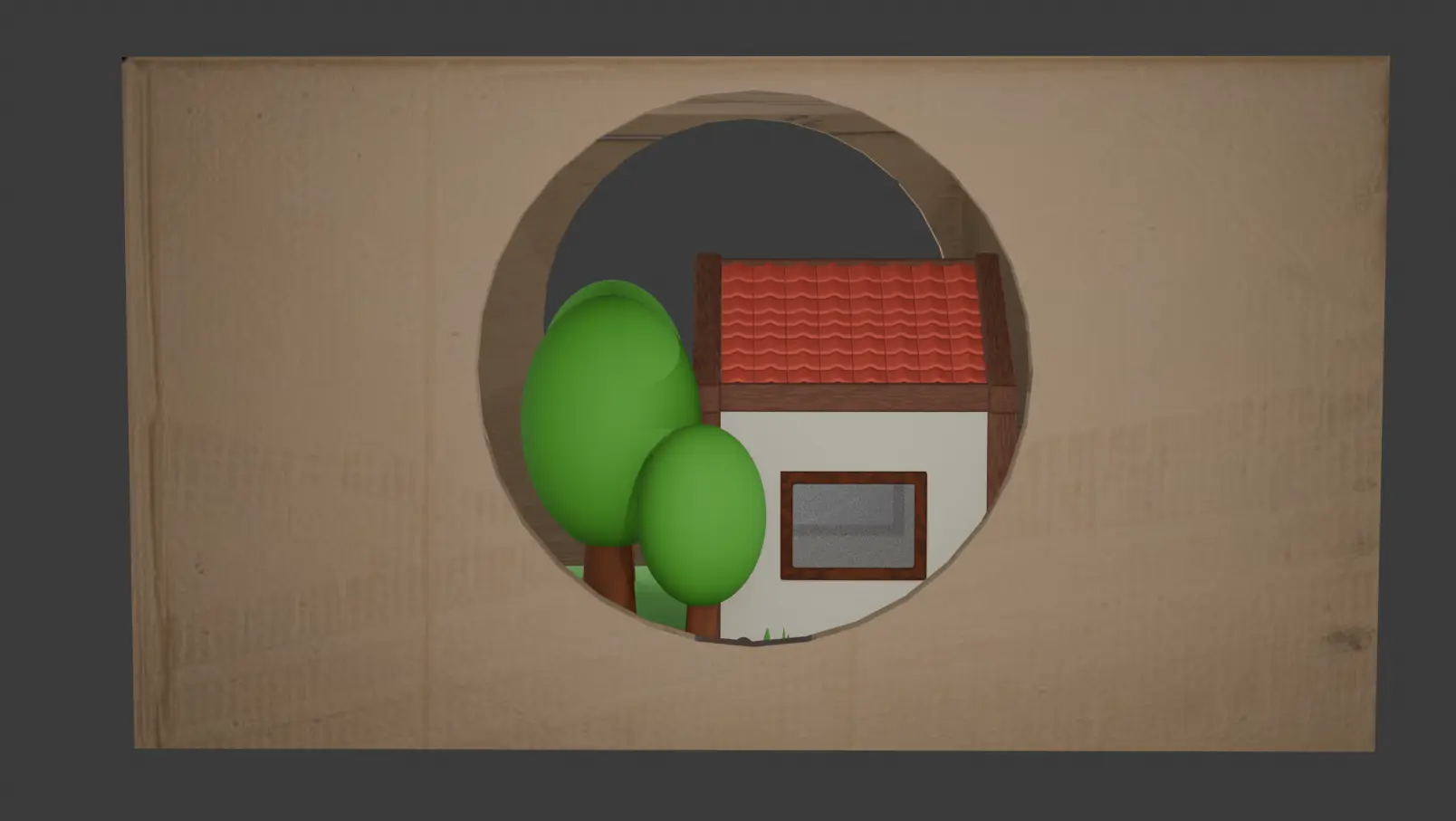
My girlfriend needed some images which shows a box and how people have different perspective on things.
AI generated images messes these up. LOL
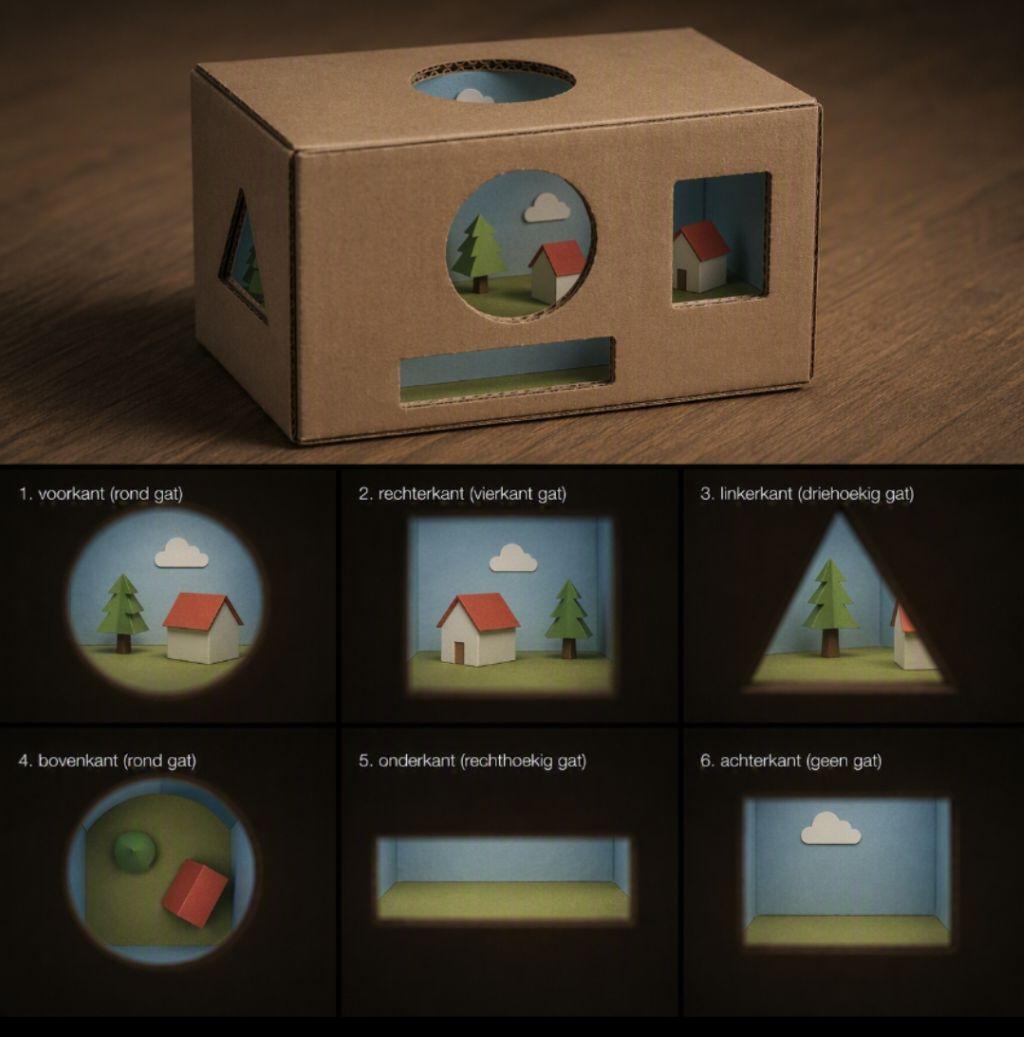
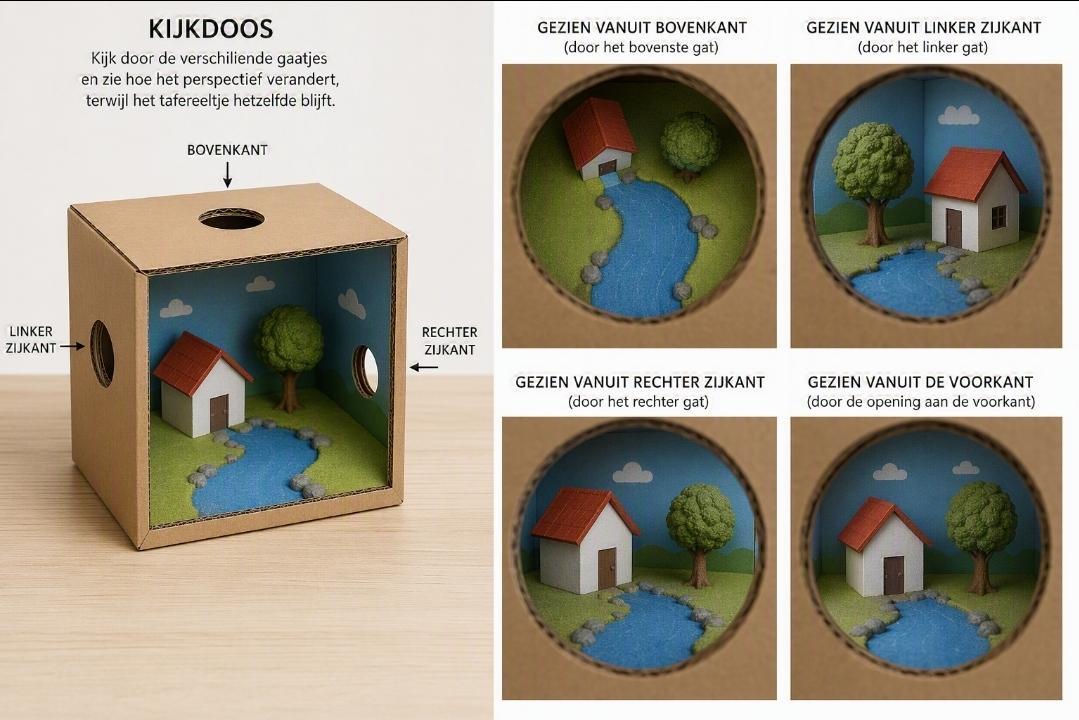
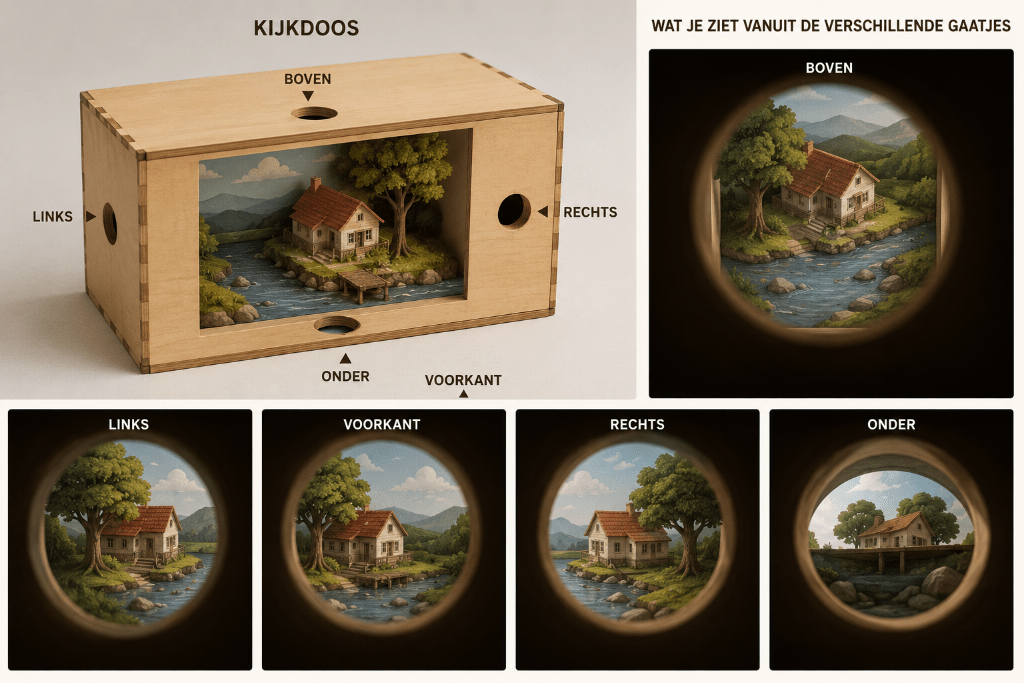
So I made a little blender scene.
A negative travel advice didn’t stop us to visit Cuba.
A travel log will follow of this strange vacation we had.

Making a BirdNet node, I got interested in our local Corvids.
Working from my own Lab at home, I have time to feed the birds, and try to befriend them.
Corvids are a family of birds like: Crows, Eurasian jay, Eurasian magpie and Jackdaw birds
Meanwhile, signs of life from our Hedgehog.
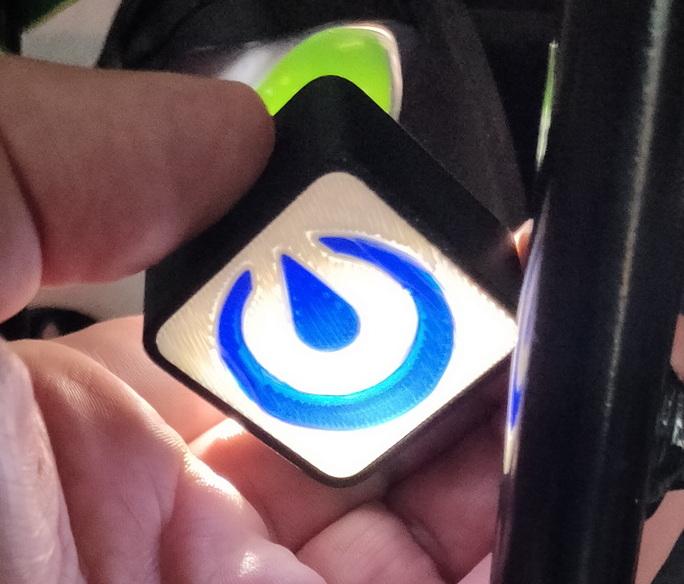
Mattermost notification thingy (Using Wemos)
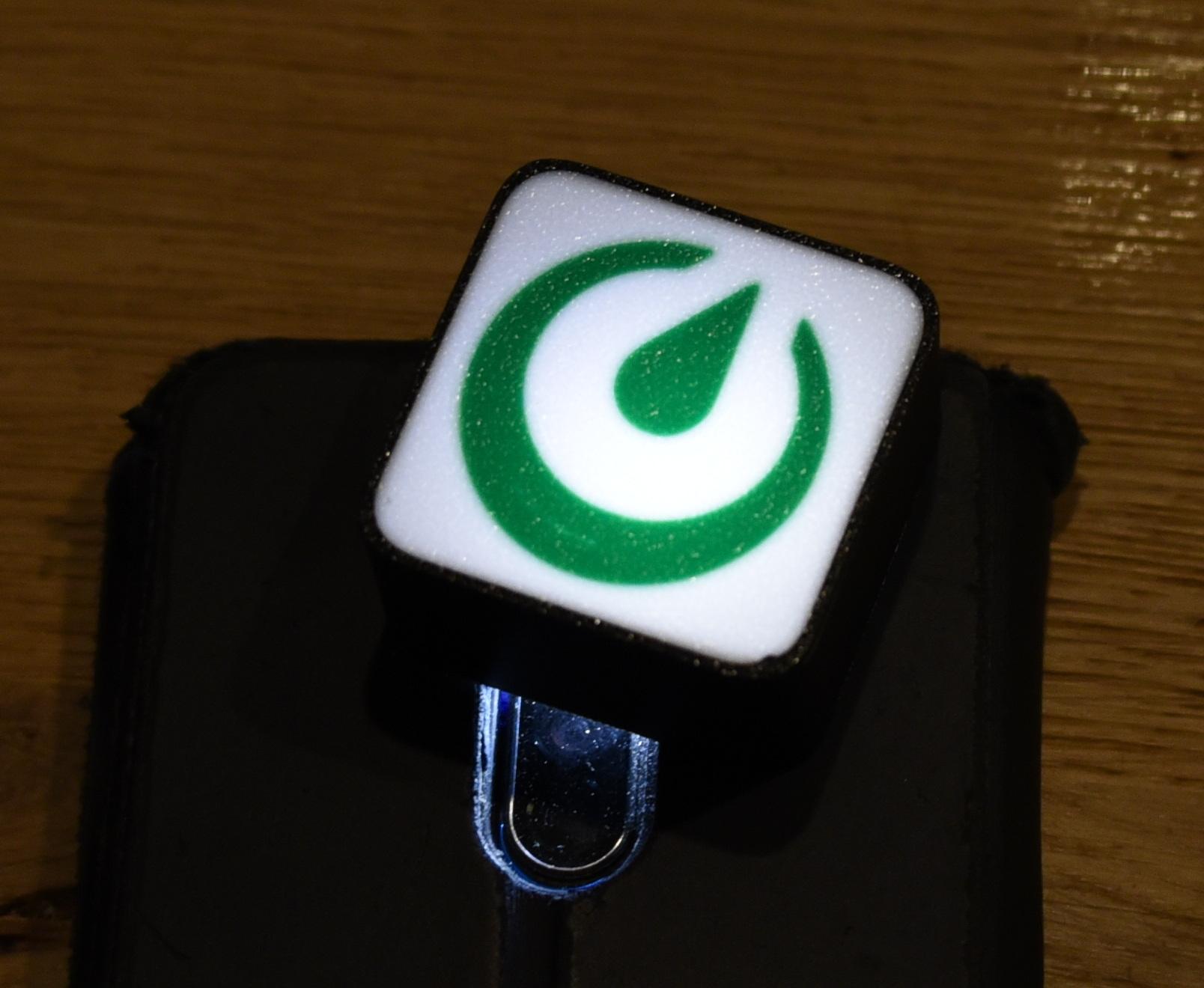
Stuck filament fix
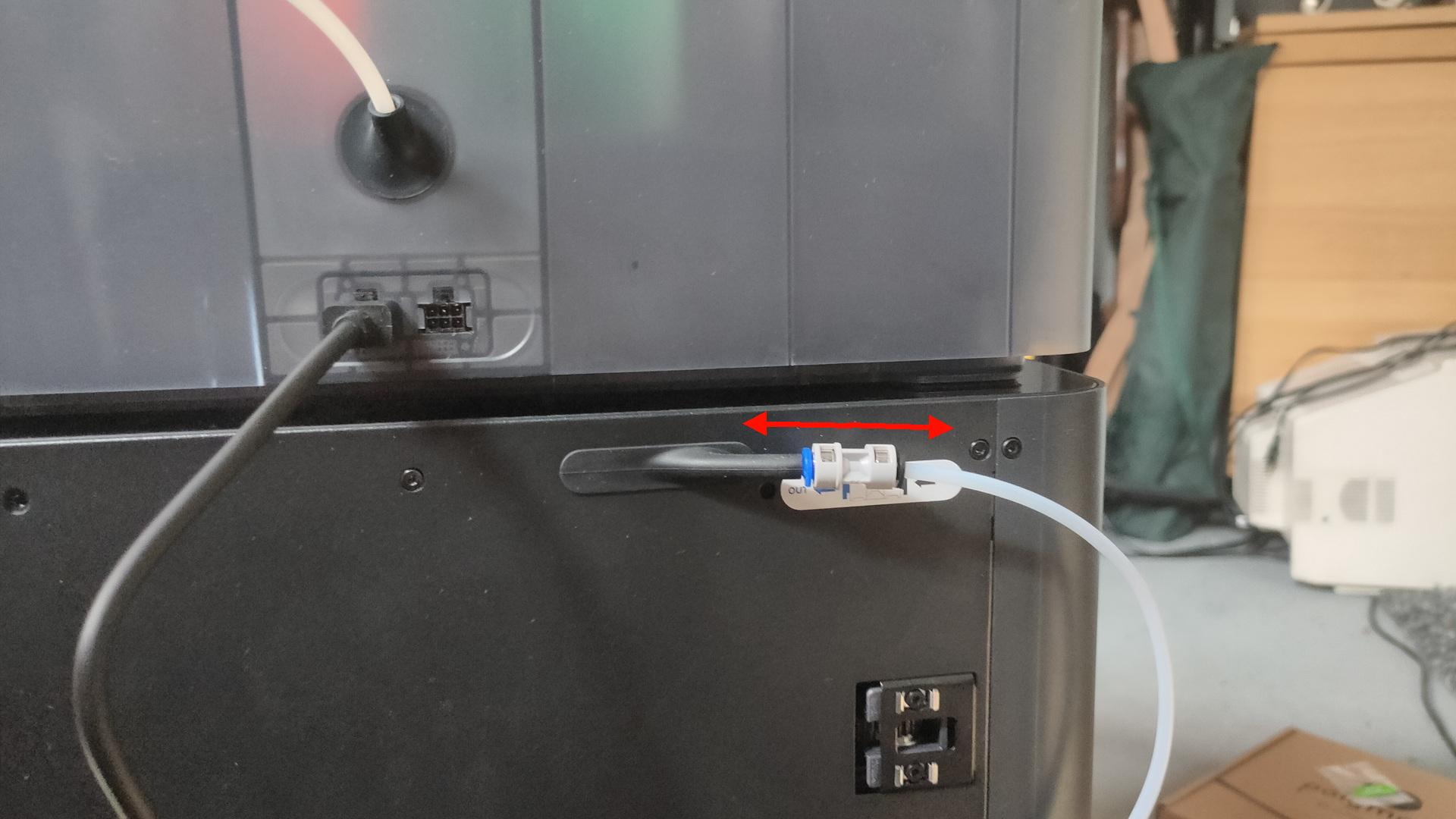
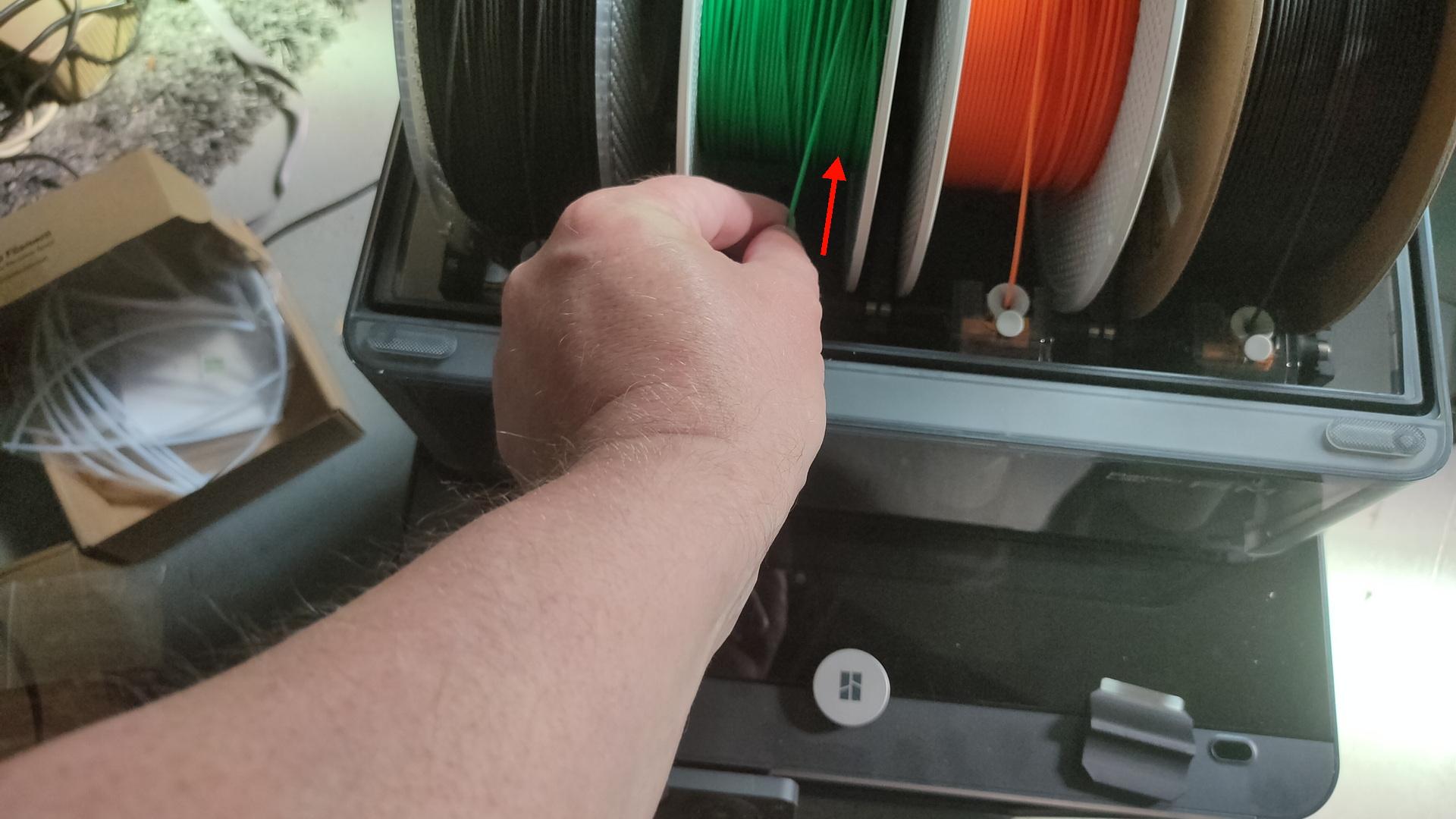
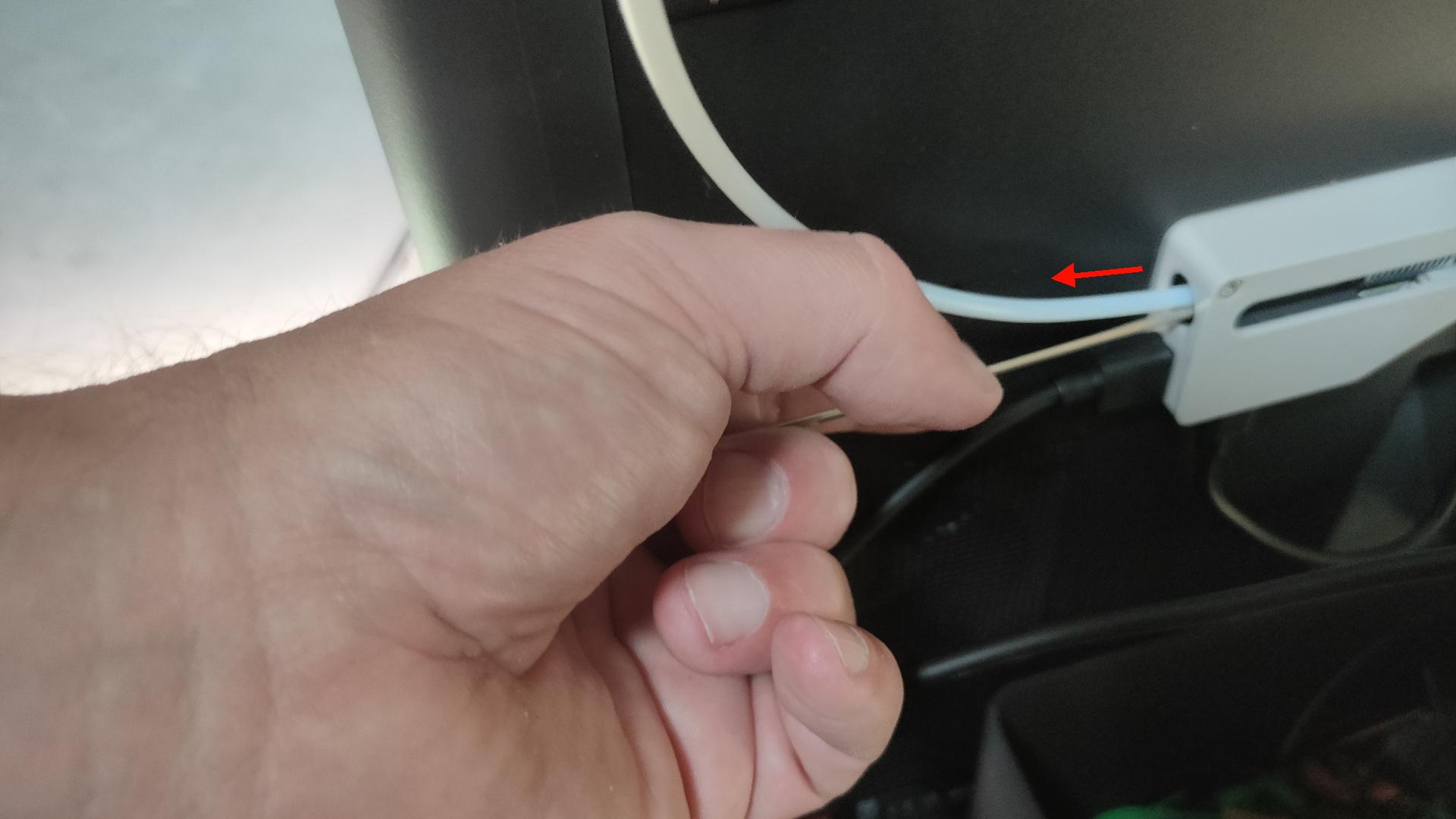
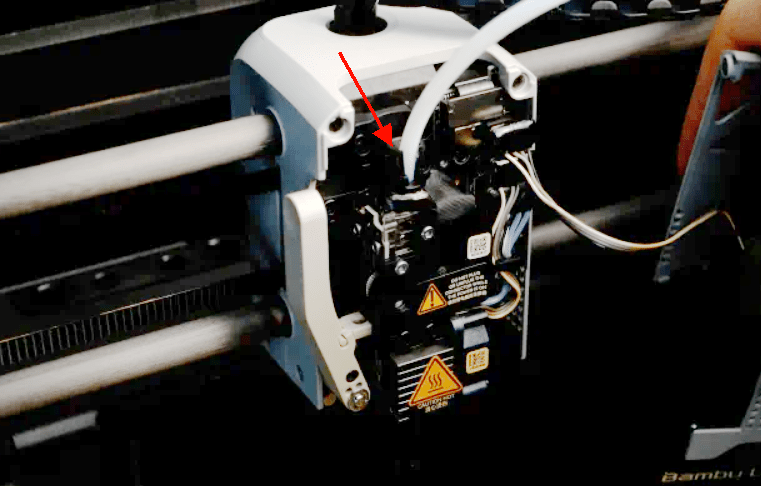
Follow this:
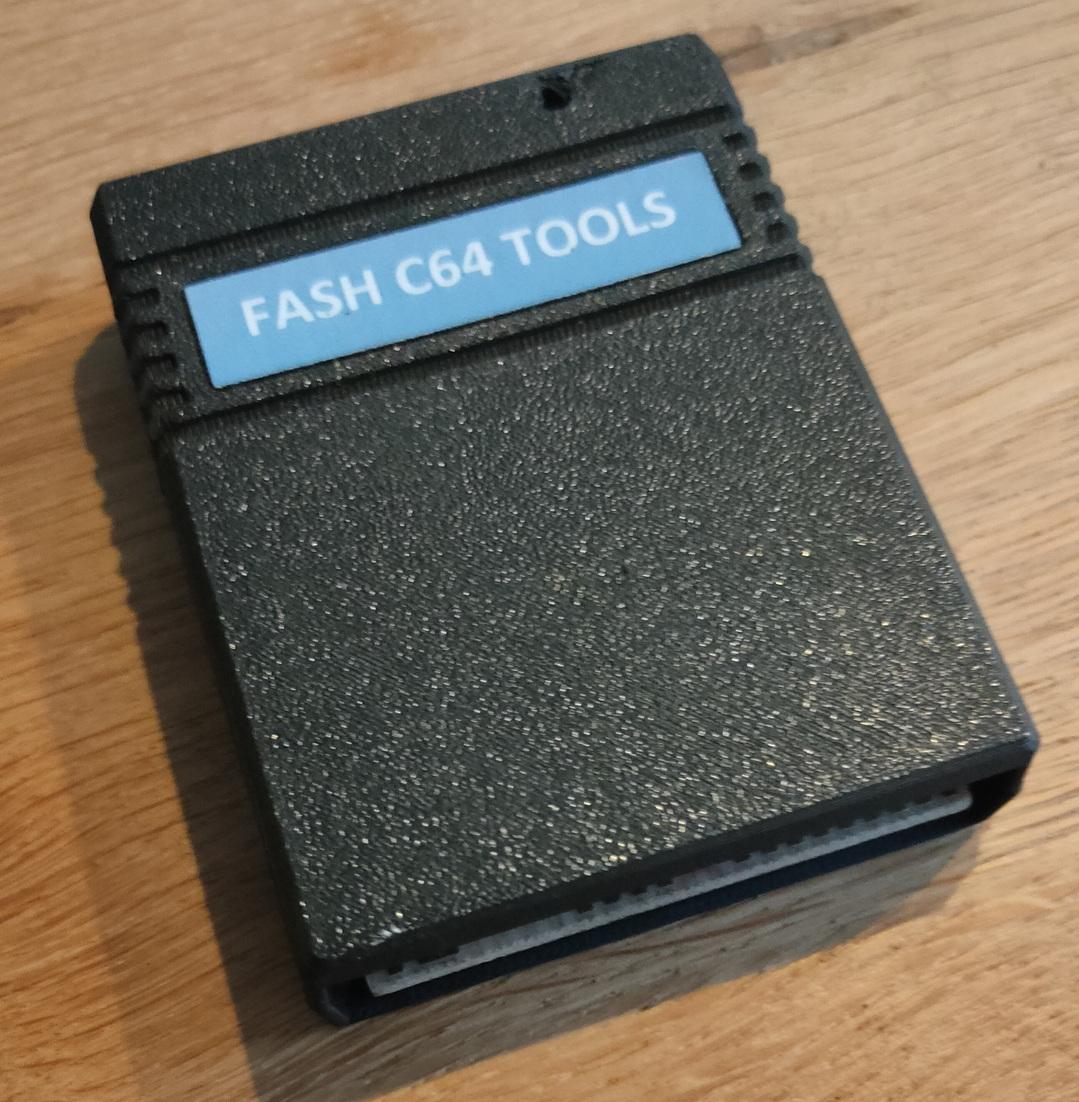
My own C64 tools cartridge printed
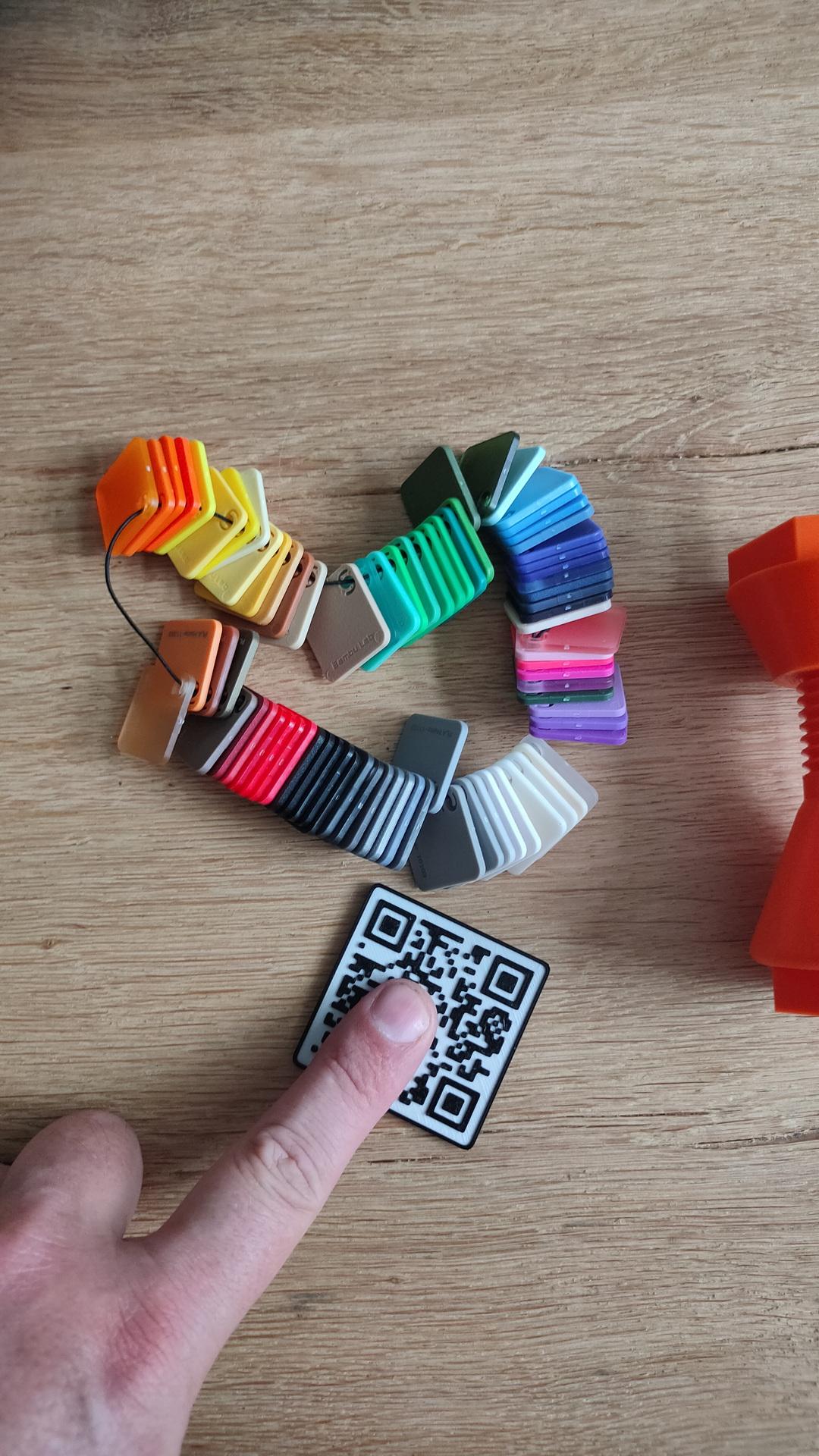
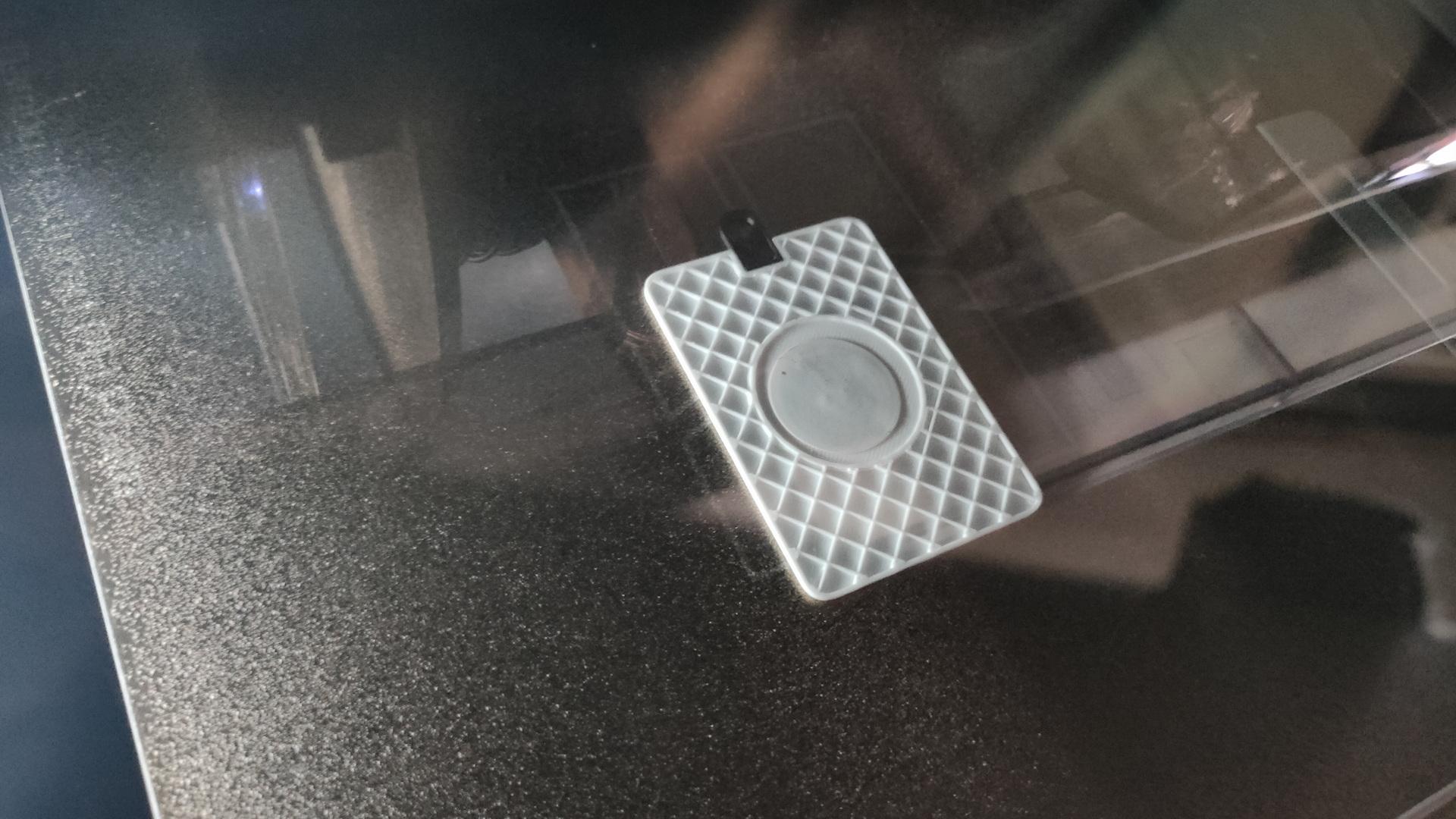
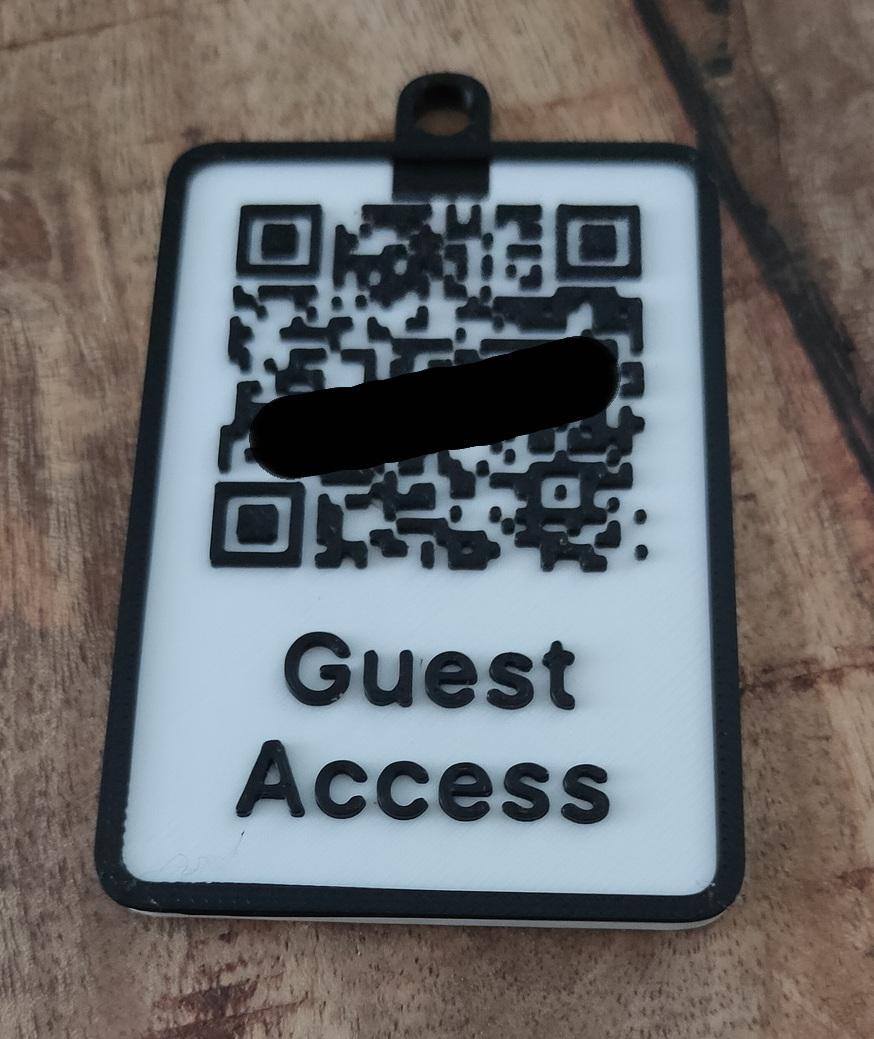
Wi-Fi QR Code printed with space for RFID
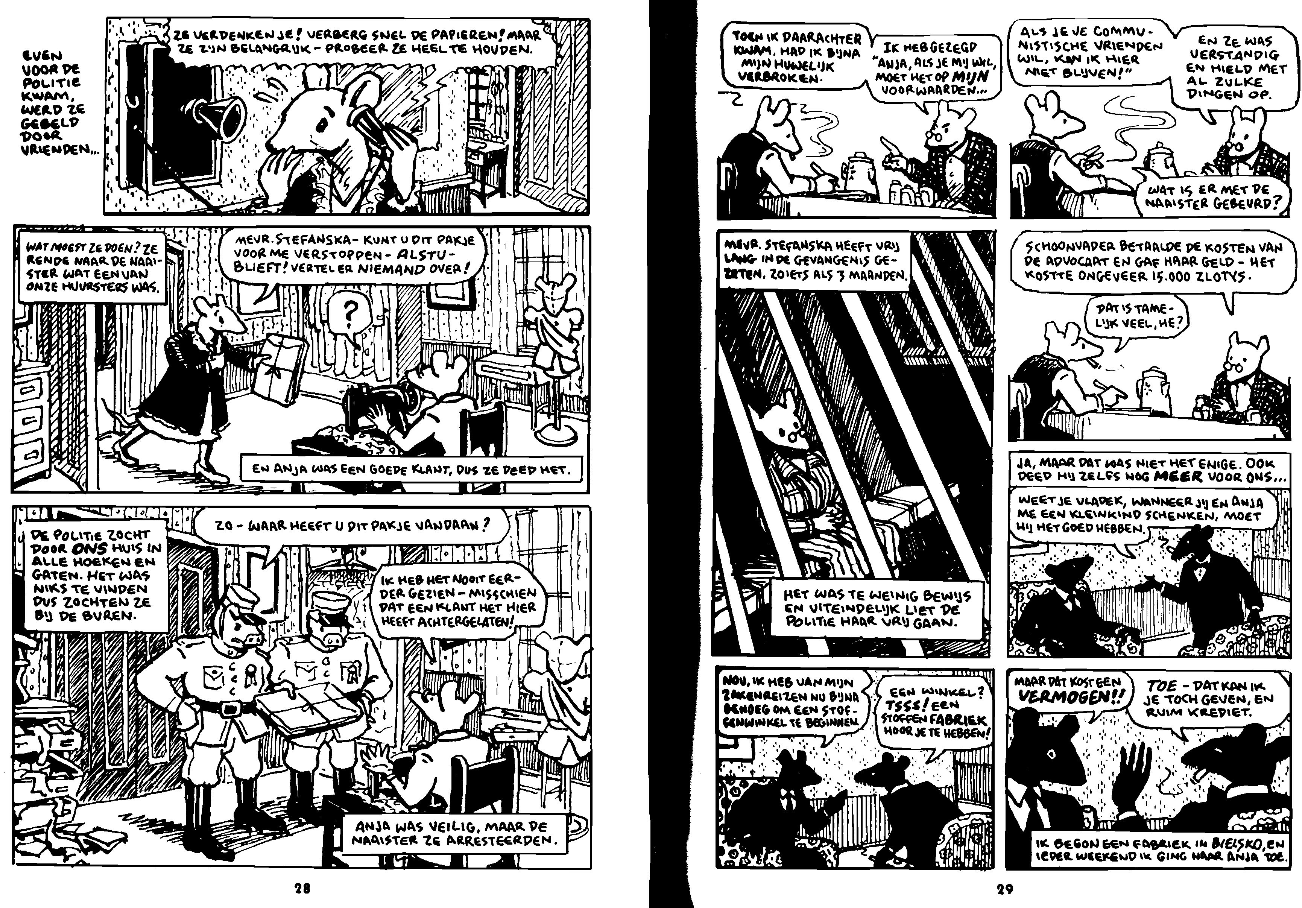
Memorial Day in the Netherlands.
Something related, and maybe interesting for people to read.
Maus often published as Maus: A Survivor’s Tale, is a graphic novel by American cartoonist Art Spiegelman, serialized from 1980 to 1991. It depicts Spiegelman interviewing his father about his experiences as a Polish Jew and Holocaust survivor. The work employs postmodern techniques, and represents Jews as mice and other Germans and Poles as cats and pigs respectively. Critics have classified Maus as memoir, biography, history, fiction, autobiography, or a mix of genres. In 1992 it became the first graphic novel to win a Pulitzer Prize.

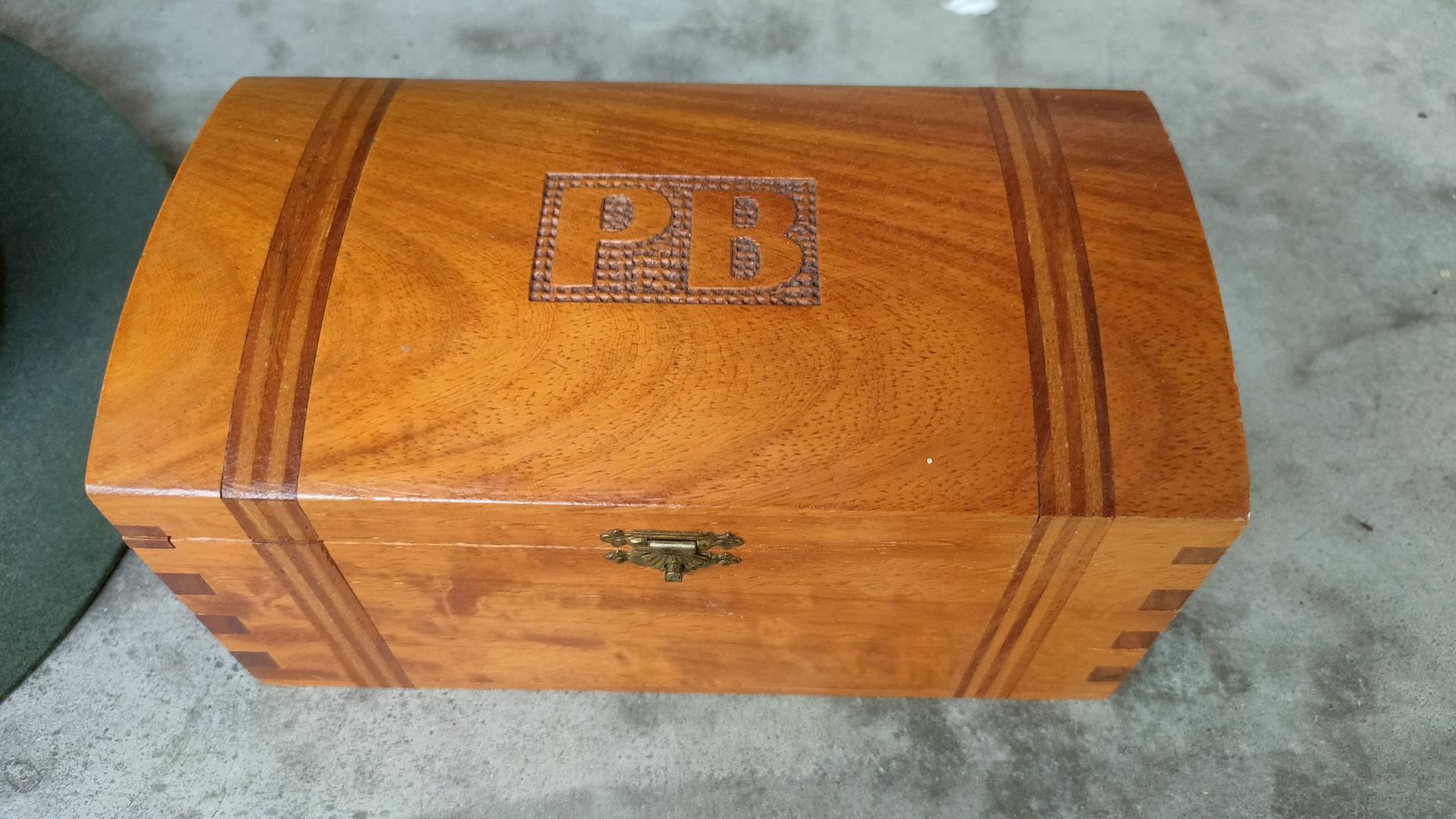
Going through some storage boxes, I noticed I’ve got two items of Piet Bos.
Who was Piet Bos? (link to photo)
In 1938 Piet Bos founded the Natural History Museum in Holten. Bos had a nationally renowned taxidermy company in Holten. In the era of emerging tourism, Mr Bos had a good sense of how he could captivate visitors. He had a unique idea at the time, namely to exhibit stuffed animals in their “own” environment through dioramas (viewing boxes). Not only the dioramas, but also display cases with prepared birds and mammals still appeal to the imagination. Over the years, the collection has grown into one of the most extensive in Europe. Son Kees Bos has given the museum a contemporary character as a painter and sculptor. The name of the museum has been changed to Natuurdiorama Holterberg. Visitors to the Sallandse Heuvelrug can learn about the history and flora and fauna of the area in the museum. The nature museum also shows animals that occur in other parts of Europe. More than 1,000 animals and birds can be viewed in eleven life-size dioramas, accompanied by accompanying sounds.
A few years ago, I made a little light metering sensor using a light resistor and a NodeMCU (using analog read).
This would measure if a Led was turned on from my Alarm system. (I had no other way to read this state.
(I also had it connected to our washing machine for a while, to read the state.)
Now I wanted to read the state of the TV set-top box.
This Arcadyan hmb2260 has a green/led state LED, so measuring light is not enough.
(I can only toggle the device from Home Assistant, so there is no way to know the current state!)
Toggling on/off and portscanning the device gave me not another way to get the state (no extra open ports/web state pages) than using an RGB Sensor.
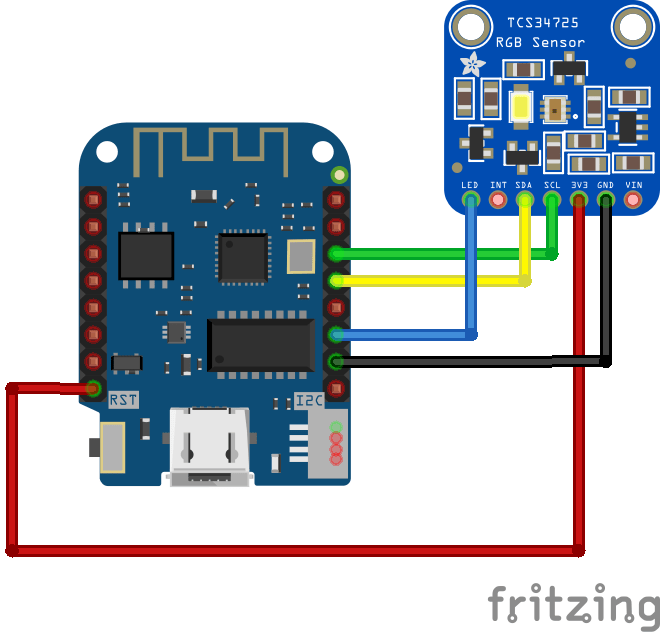
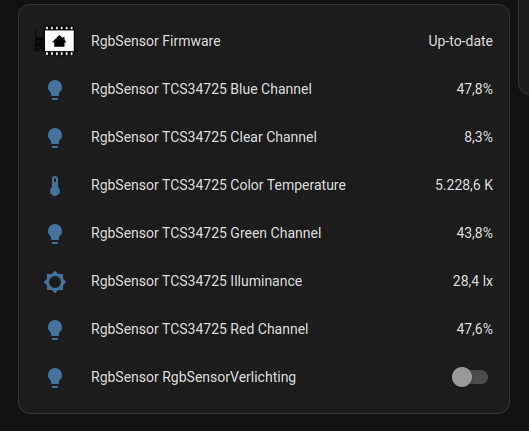
Flashing this with ESP Home and integrating it in HA was a breeze.
I wanted to turn the Illuminance LED also off, because the Set-top box already emits light.
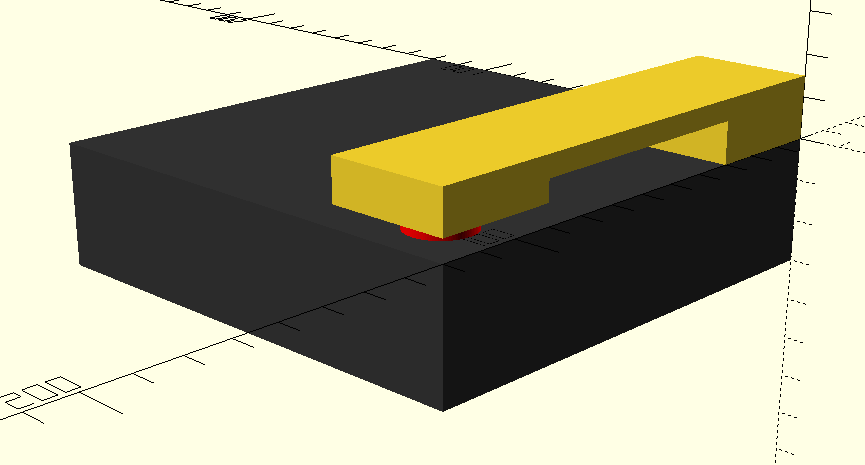
Now I’m going to 3D print a holder which can be used to press the button manually when needed.
ESPHome Code
esphome:
  name: rgbsensor
  friendly_name: RgbSensor

esp8266:
  board: d1_mini

# Enable logging
logger:

# Enable Home Assistant API
api:
  encryption:
    key: "xxxxxxxxxxxxxxxxxxxxxxxxxxxxxxxxxxxxxxxxxxxx="

ota:
  password: "xxxxxxxxxxxxxxxxxxxxxxxxxxxxxxxxxxxxxxxxxxxx"

wifi:
  ssid: !secret wifi_ssid
  password: !secret wifi_password

  # Enable fallback hotspot (captive portal) in case wifi connection fails
  ap:
    ssid: "Rgbsensor Fallback Hotspot"
    password: "xxxxxxxxxxxxxxxxxxxxxxxxxxxxxxxxxxxxxxxxxxxx"

captive_portal:

i2c:
  sda: 4
  scl: 5

sensor:
  - platform: tcs34725
    red_channel:
      name: "TCS34725 Red Channel"
    green_channel:
      name: "TCS34725 Green Channel"
    blue_channel:
      name: "TCS34725 Blue Channel"
    clear_channel:
      name: "TCS34725 Clear Channel"
    illuminance:
      name: "TCS34725 Illuminance"
    color_temperature:
      name: "TCS34725 Color Temperature"
    glass_attenuation_factor: 1.0
    address: 0x29
    update_interval: 5s

light:
  - platform: binary
    name: "RgbSensorVerlichting"
    output: light_output

output:
  - id: light_output
    platform: gpio
    pin: 2
Automation in HA:
If Red Channel > 60% then device is OFF.
Other ideas:
Measure the dishwasher machine LED.
Using color cards to (program) the wleds I’m using.
Using the Korg CA-20
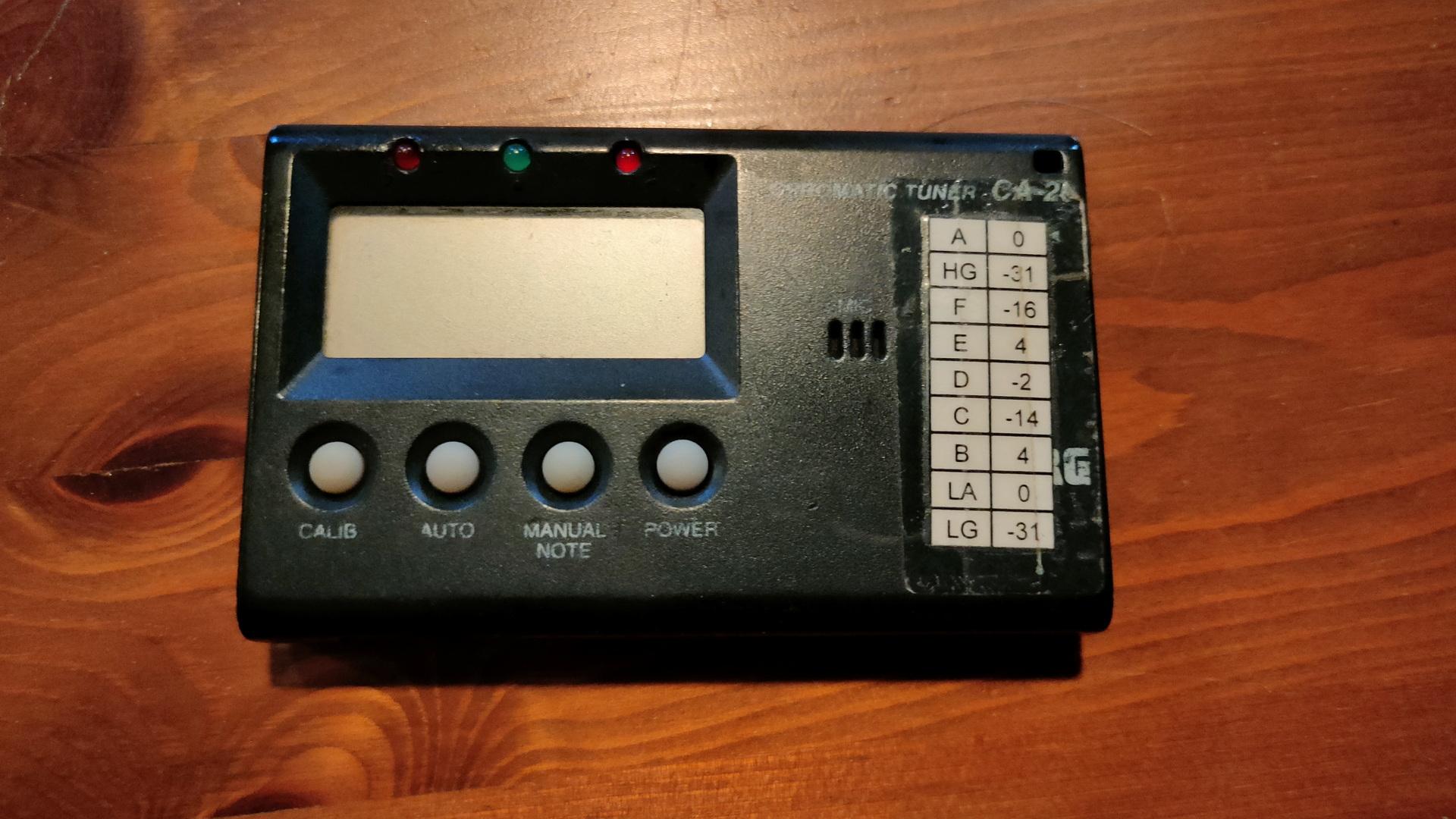
On the side you see the bagpipe tuning.
In the past, I replaced one of the LEDs. But now it didn’t turn on any more.
So I took it apart, and what did I miss when replacing the LED?
This tuner has more functionality hidden.
This is more often the case with devices, because it keeps the costs down. Make one print and use in many.
(See the diskman story below)
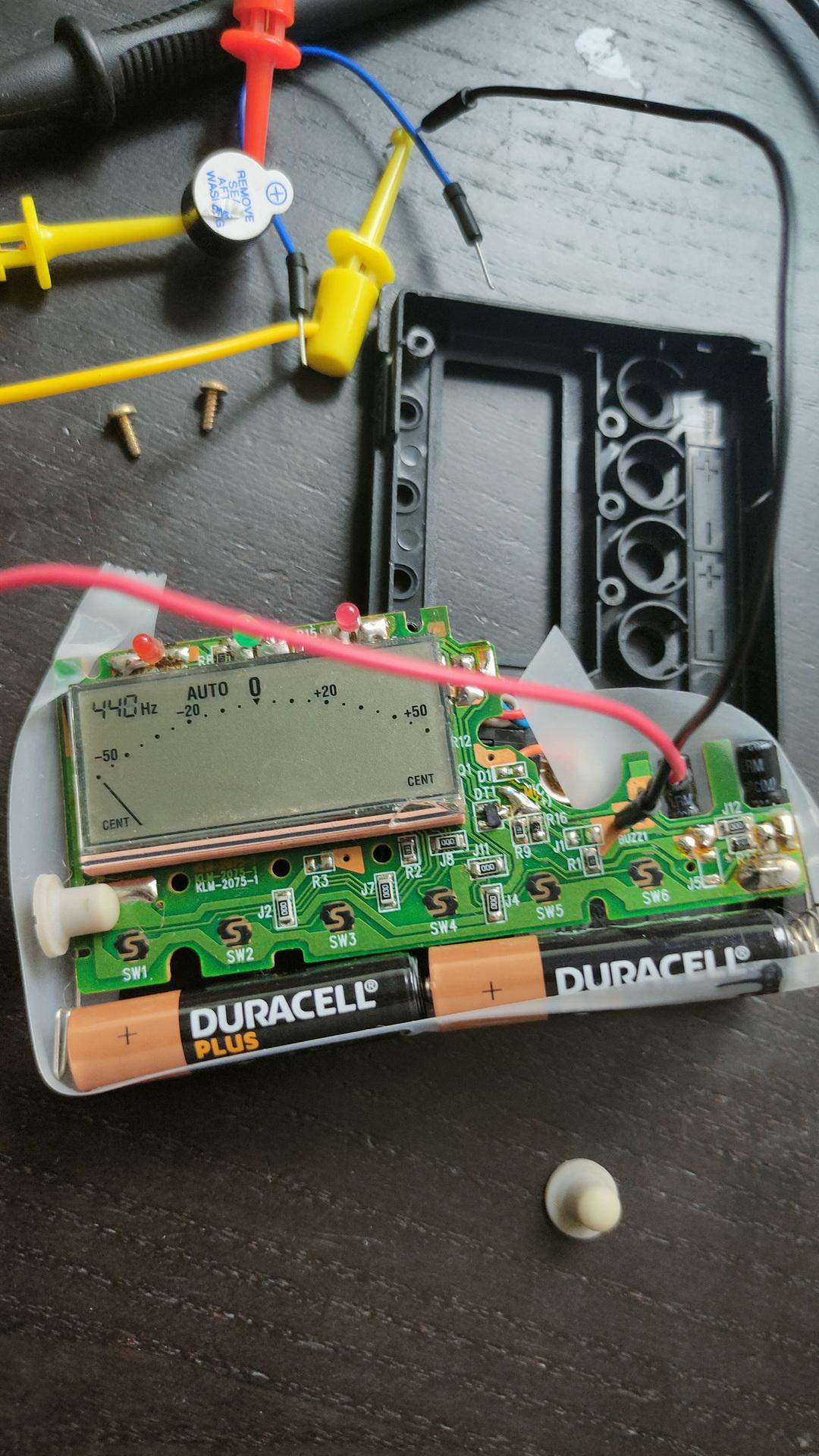
When looking at the cover plate, you see only 4 buttons. But there are six!
Then I noticed some solder pads with the lettering Buzz.
So button 5 and 6 are for a metronome!
You see the little piezo buzzer I got from my component’s drawer.
A similar hack was the Diskman player in the 90s.
It was something like the model below.

There was only play/pause stop and skip whole track or back whole track.
When opening, I figured out which chips were doing what.
Saw that some signals were not connected to the control panel.
These were : Fast forward, and reverse. And skip 30 seconds.
So I glued some buttons on the side and presto.
A few years later, I took it apart and connected a DB-9 connector to it.
Now I could control the playing using my Amiga!
Some drawings I found
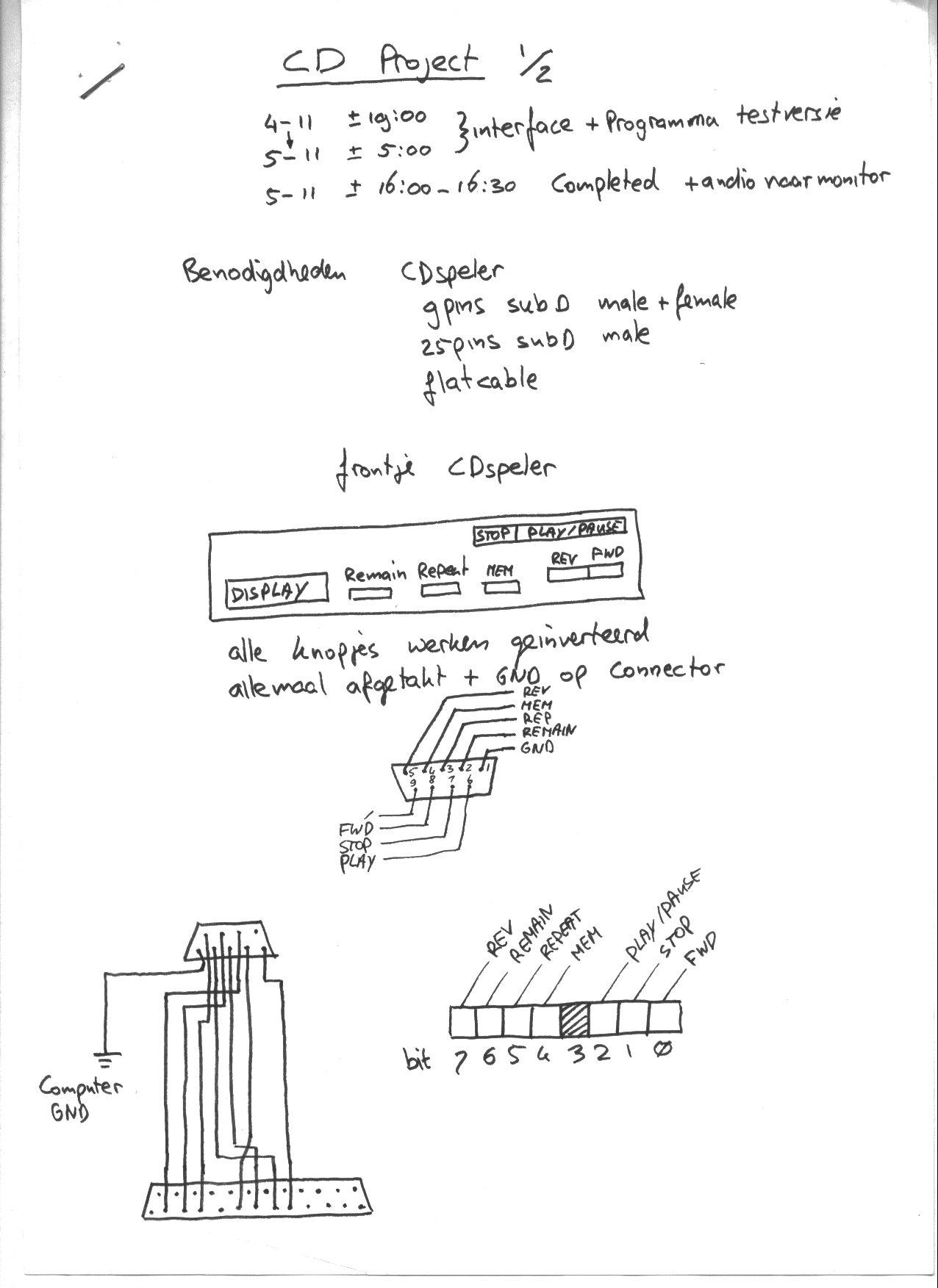
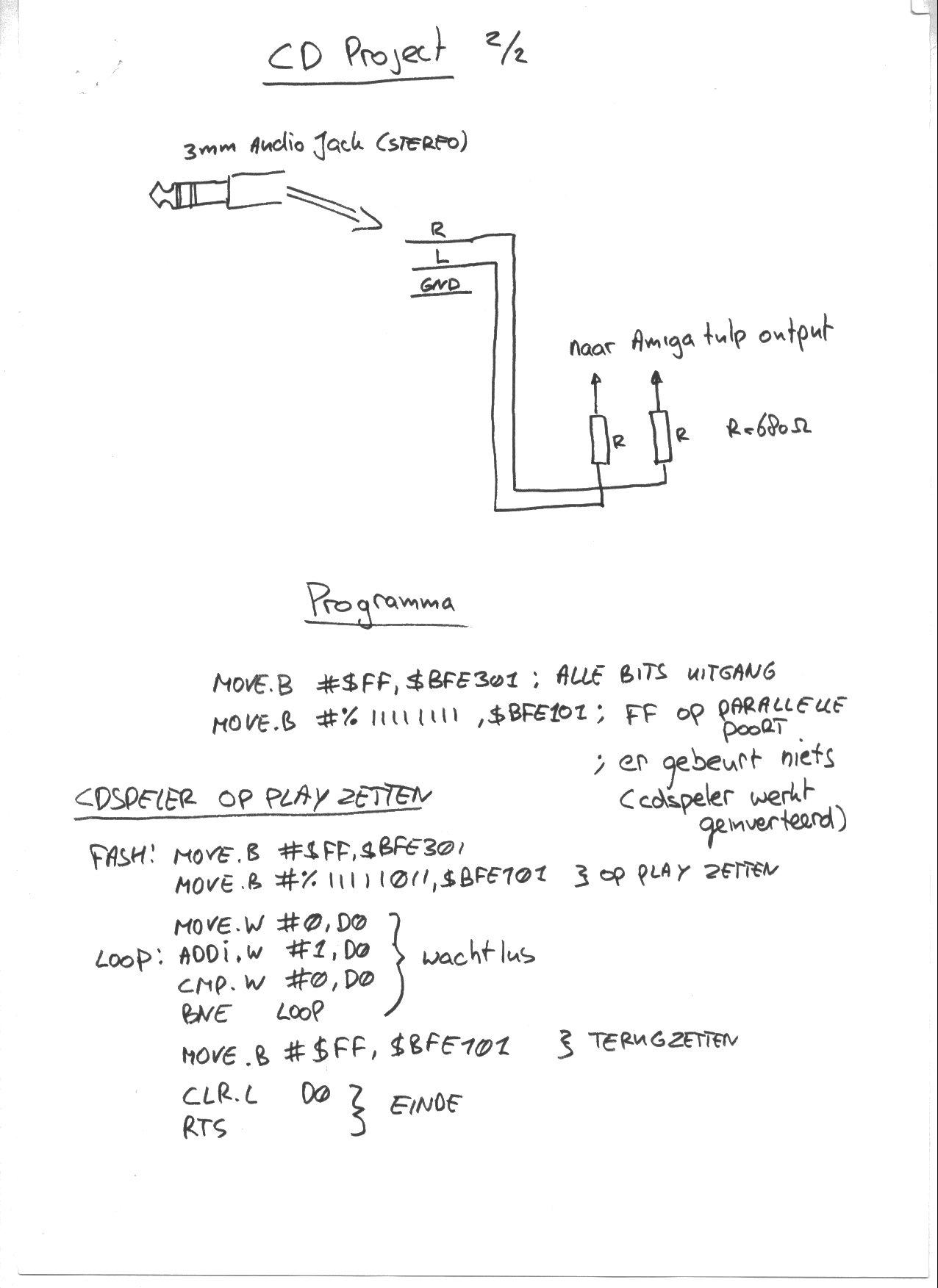
Will post chip info, and more when found.
Working for a new boss, doing these kinds of projects for a living now.
Writing courses, doing consultancy work and creating cool projects.
I’ll be posting stuff at a later time.