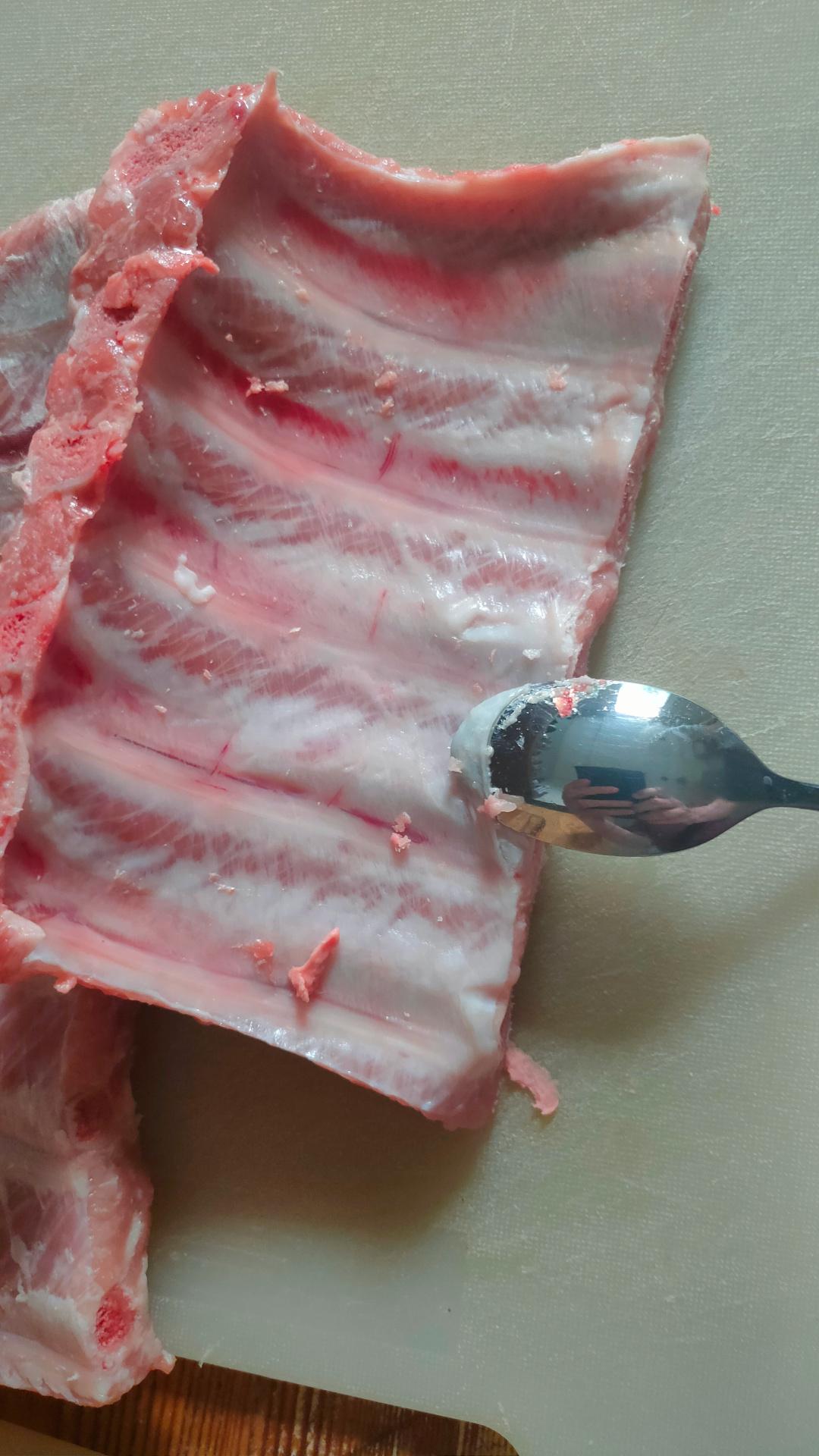
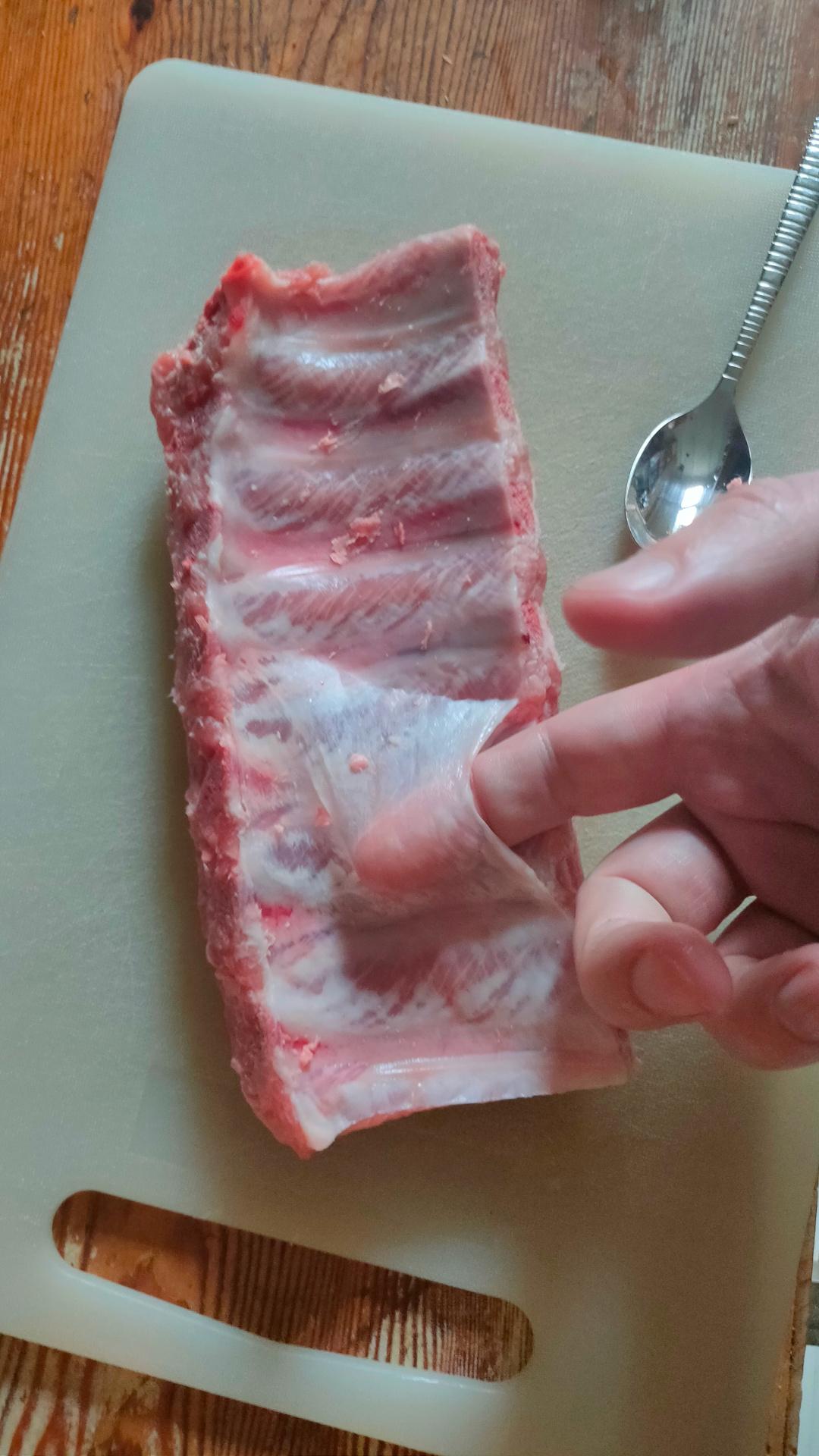
Use a little spoon NOT a knifeGet your fingers underneath the membranePreparing the ribs, getting the membrane off.
This time I used a rub with the following ingredients: Seasalt, garlic, brown sugar, mustard seeds, paprica, cilantroseeds, black pepper, red pepper, oregano, thyme and cumin.
Doing a simple 3-2-1 smoke session, so .. what to do in dose 6 hours?
Lets make something using a Sense hat and Python. Same HAT I used for my xmas ornament thingy in our tree.
Generate a large maze (80×80 for now)
Paint the maze using colors on the SenseHat
Read joystick movement and scroll the maze accordingly, keeping the player in the middle
Now I have to paint my ribs with BBQ sauce, and leave it in the smoker for yet another hour. (Nice glazing)
Next steps for the maze:
Use a better way to generate (reverse backtracking as I made for my other maze thing)
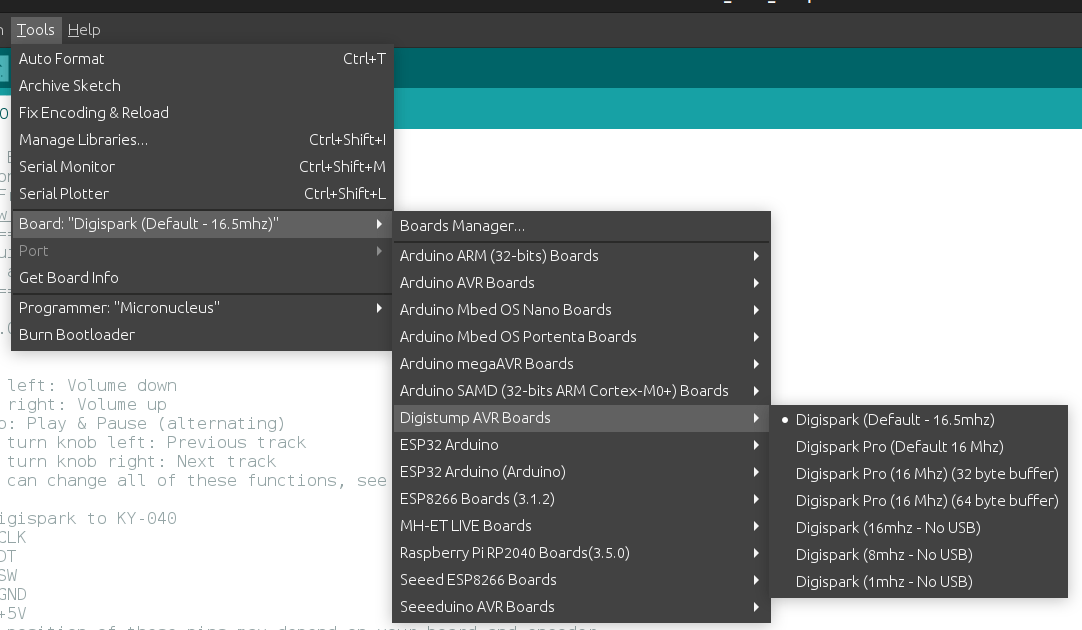
The old way of flashing using Arduino IDE (for digispark)
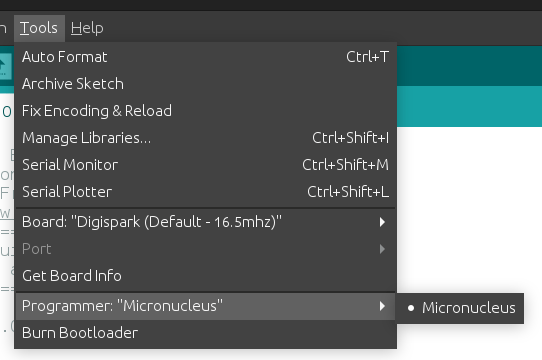
Install Boards using : preferences, add board URL http://digistump.com/package_digistump_index.json
Change Board and programmer, YOU won’t have to select a USB device!
Note: There being no regular USB device, you need to add some udev rules. cat /etc/udev/rules.d/digispark.rules SUBSYSTEM==”usb”, ATTR{idVendor}==”16d0″, ATTR{idProduct}==”0753″, MODE=”0660″, GROUP=”dialout”
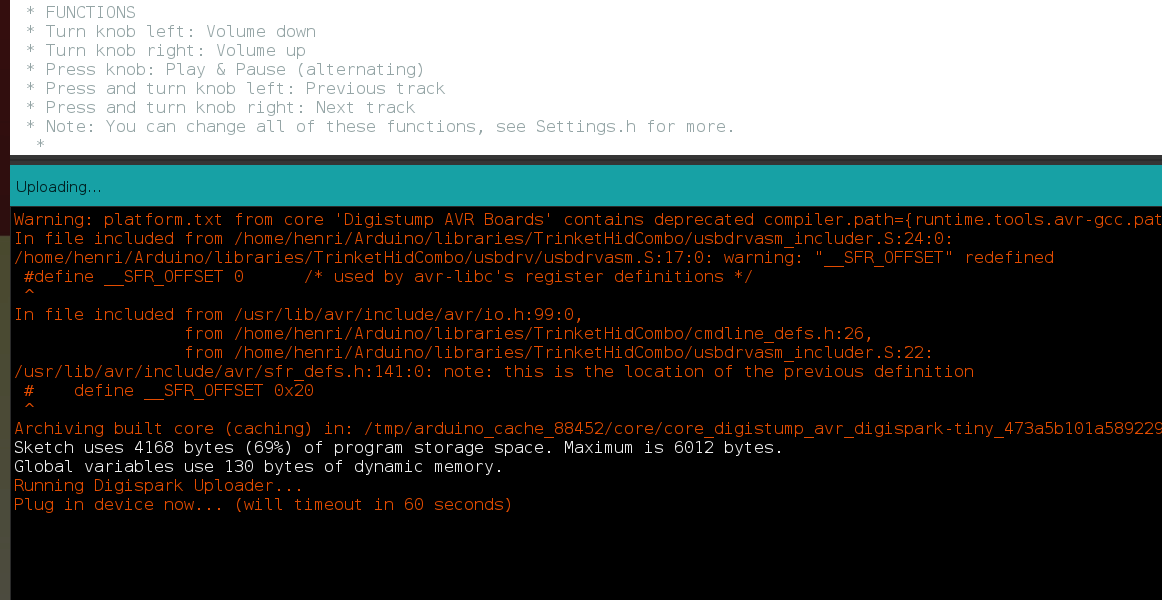
When compiling and uploading the program, you get a message to plug in the device. See below screenshot.
Now the 2024 change. Reason to change:
Want to have USB-C
Python to get a more flexible setup
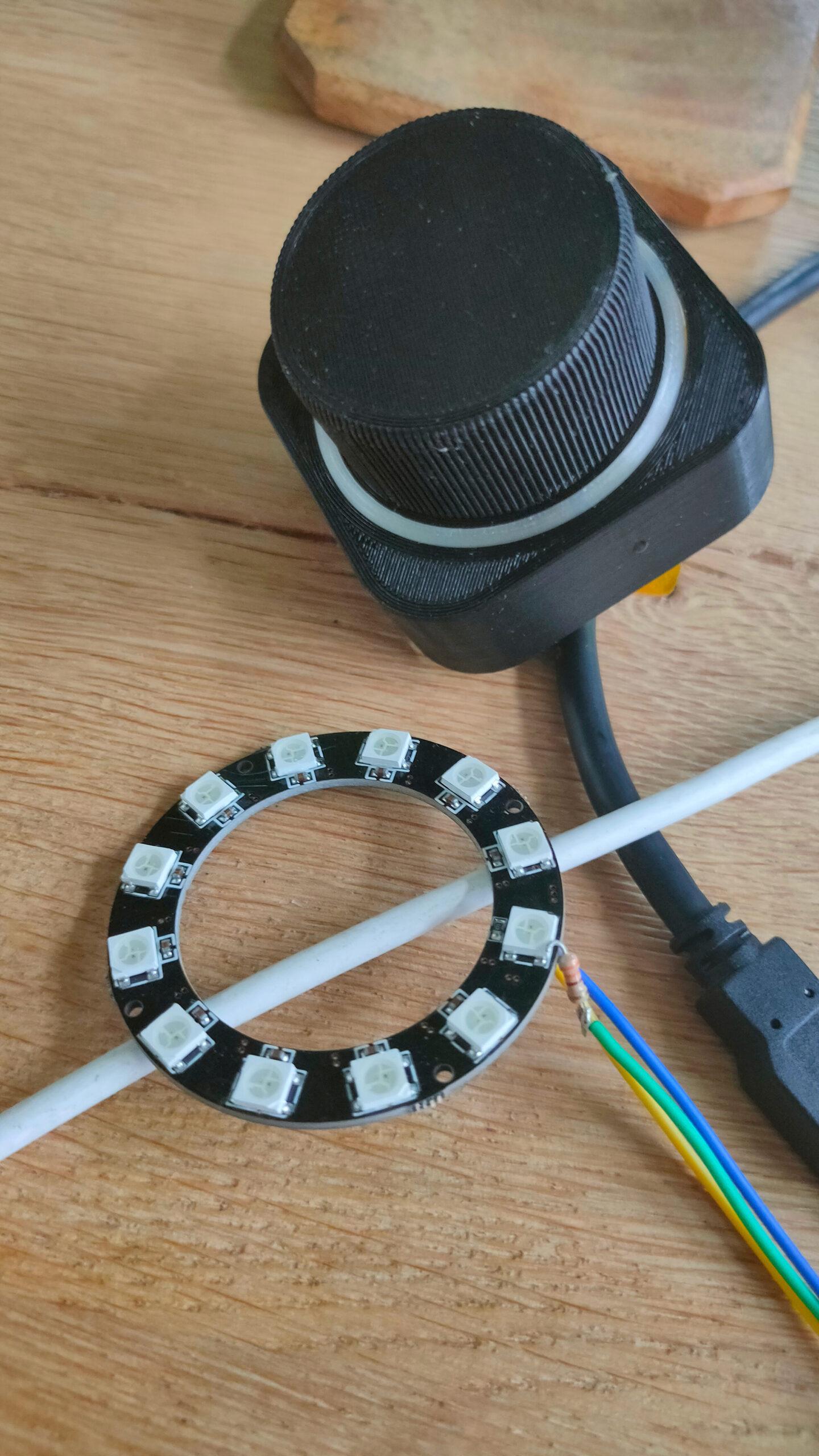
I want to use more pins, so I can add LEDs and more buttons.
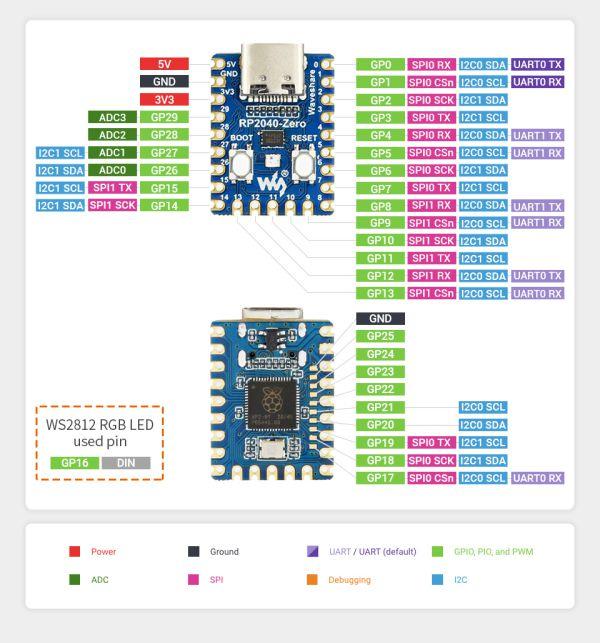
I wanted to play with my Waveshare RP2040 Zero.
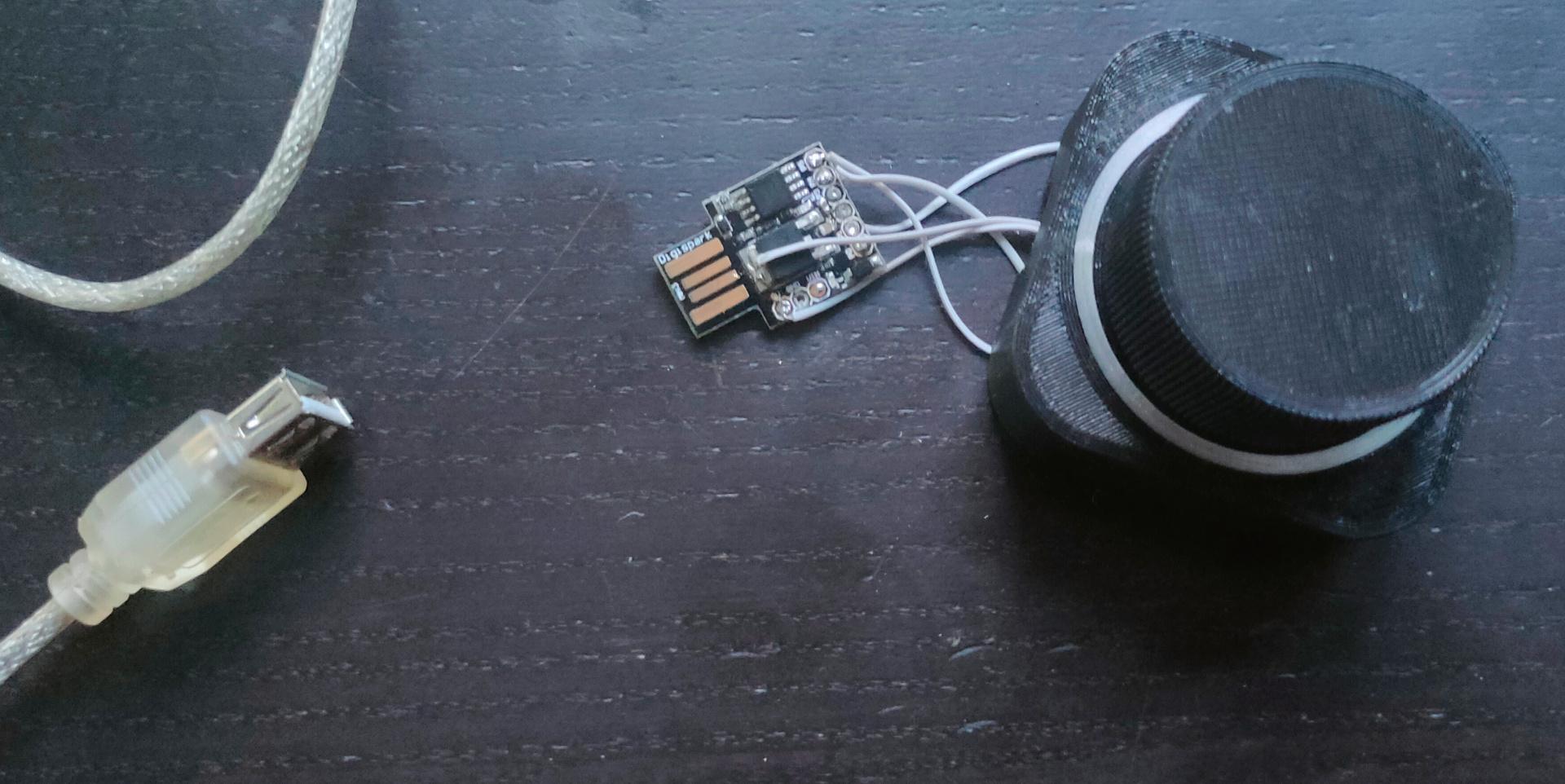
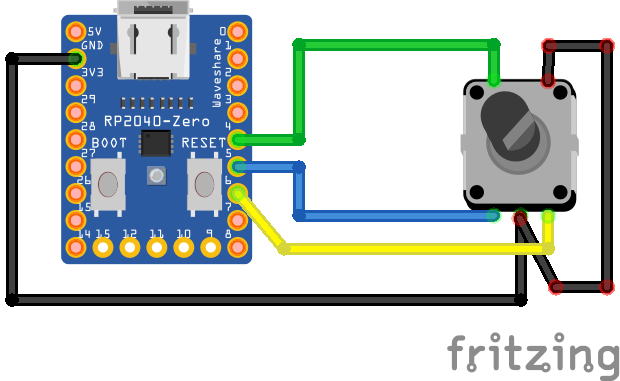
This is the first setup, with same functionality as before.
Now I can add more stuff!
Putting the code on the RP2040-zero
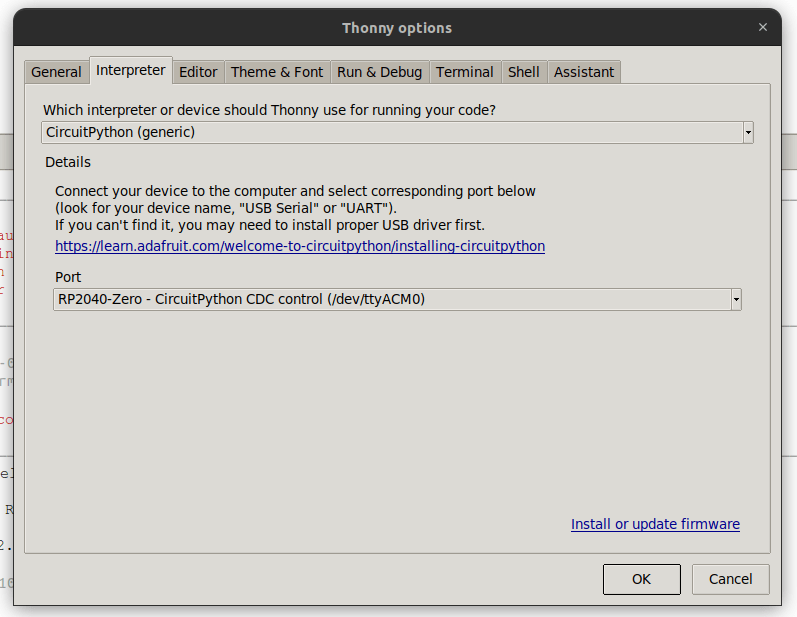
Press boot button and insert into your pc. Download uf2 file from here and save in RP2 drive. https://circuitpython.org/board/waveshare_rp2040_zero/ Open Thonny, and configure interpreter to:
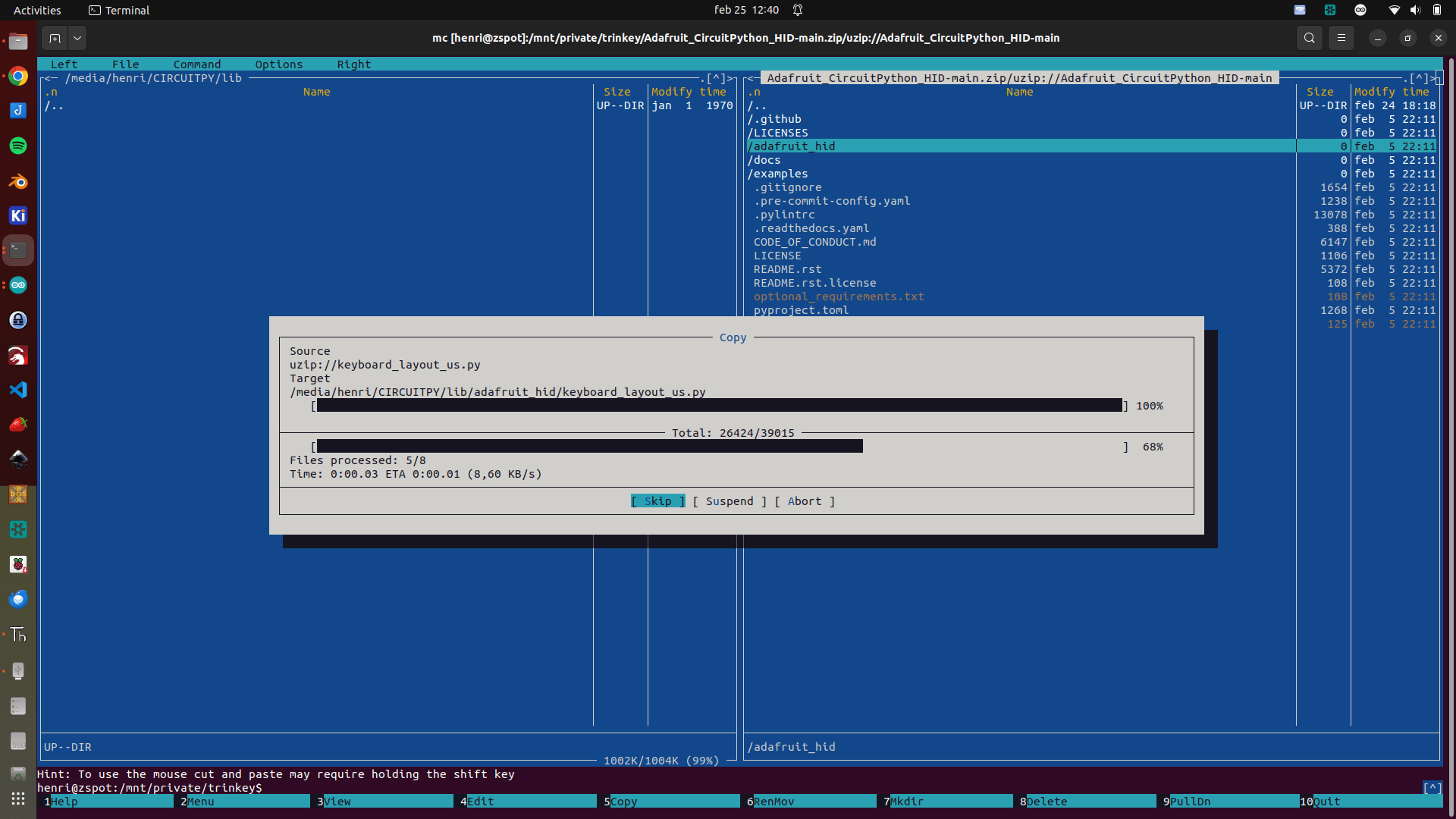
Download the zip file from https://github.com/adafruit/Adafruit_CircuitPython_HID And copy only the subdirectory adafruit_hid to the drive in subdir lib
Open the file code.py from the device, and remove example hello world code. Paste in the following code.
import rotaryio
import board
import time

import board
import digitalio
import usb_hid
from adafruit_hid.keyboard import Keyboard
from adafruit_hid.keyboard_layout_us import KeyboardLayoutUS
from adafruit_hid.keycode import Keycode
from adafruit_hid.consumer_control import ConsumerControl
from adafruit_hid.consumer_control_code import ConsumerControlCode

but = digitalio.DigitalInOut(board.GP4)
but.direction = digitalio.Direction.INPUT
but.pull = digitalio.Pull.UP

cc = ConsumerControl( usb_hid.devices )

encoder = rotaryio.IncrementalEncoder(board.GP5, board.GP6)
last_position = 0
while True:
    position = encoder.position
    if int(last_position) < int(position):
        #print(position)
        command = ConsumerControlCode.VOLUME_DECREMENT
        cc.send(command)
    #last_position = position
    if int(last_position) > int(position):
        #print(position)
        command = ConsumerControlCode.VOLUME_INCREMENT
        cc.send(command)
    last_position = position
    if not but.value:
        command = ConsumerControlCode.MUTE
        cc.send(command)
        time.sleep(0.5)
Above code is the bare minimum, I’ll add more functionality soon. (LEDs and more buttons) Next and Previous Track and mode change. From Audio to Navigation for example.
Some quotes I like to refer to: https://www.henriaanstoot.nl/aboutme/
One of my websites was slow after the whole neighbourhood was without power for a few hours. My lab using dual power, and a UPS went down for a few hours.
After that incident, one of my websites was slow, and it got worse with time. But I never took the time to really look into this problem. Until it was too much .. 8 seconds to TTFB
I’ve checked in the last month:
Hypervisors
Memory
CPU load
Docker instances
Reverse proxy
Bind DNS server
Iscsi storage
10Gbps fibre connections
Database server
iotop latency
So, I was planning to rebuild my WordPress setup. Meanwhile, let’s check some sites for information.
Then I came across WPCast on YouTube. ( How To Fix A Slow WordPress Site – WordPress Speed Optimization Tutorial ) Let’s watch this, while rebuilding my website. All suggestions were in vain.
Until Query Monitor was mentioned.
I soon discovered that the resolving within my docker container was messed up!
2 http api call’s taking a long time.
Rebuild the docker container with my DNS nameserver and a second as fail back.
Fixed.
What did I learn, check all components! Start close to the problem source.
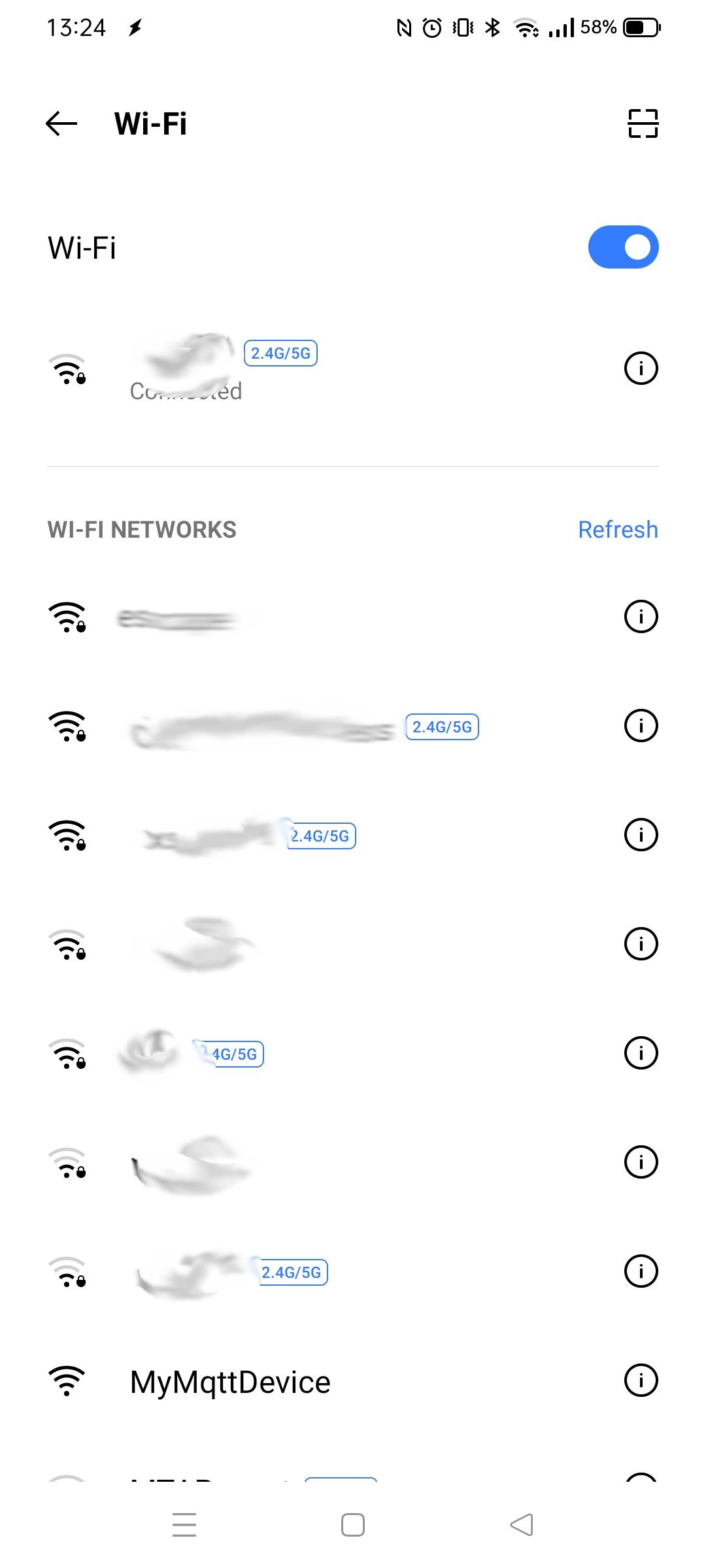
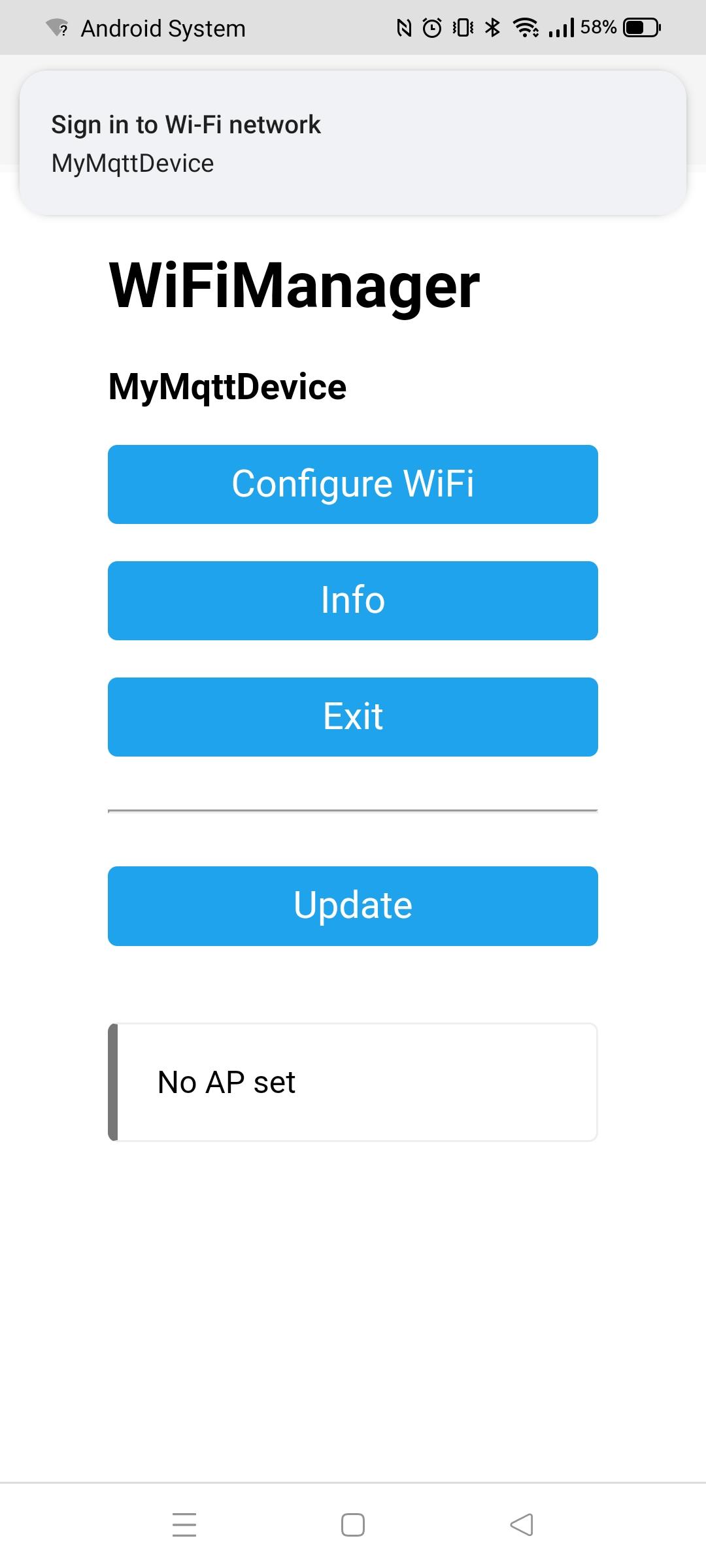
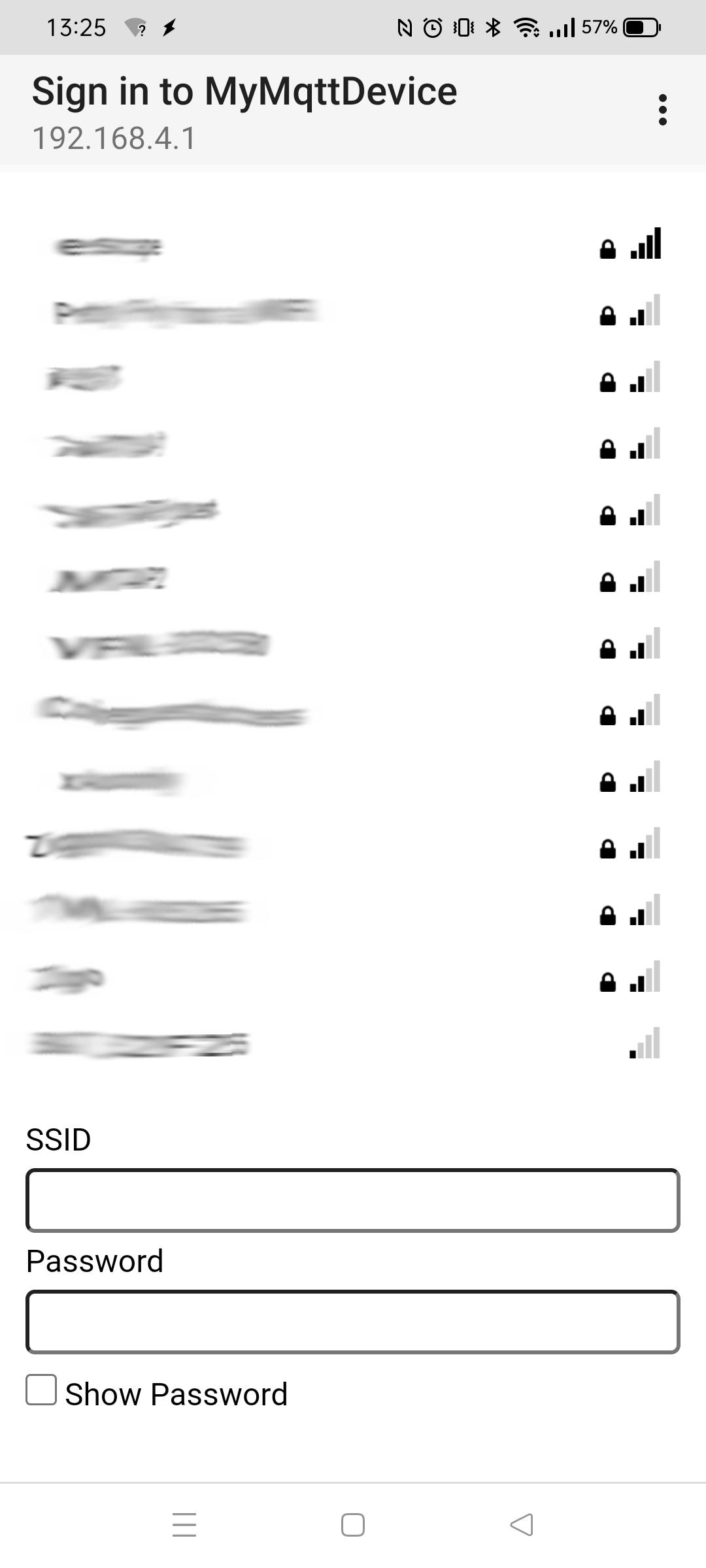
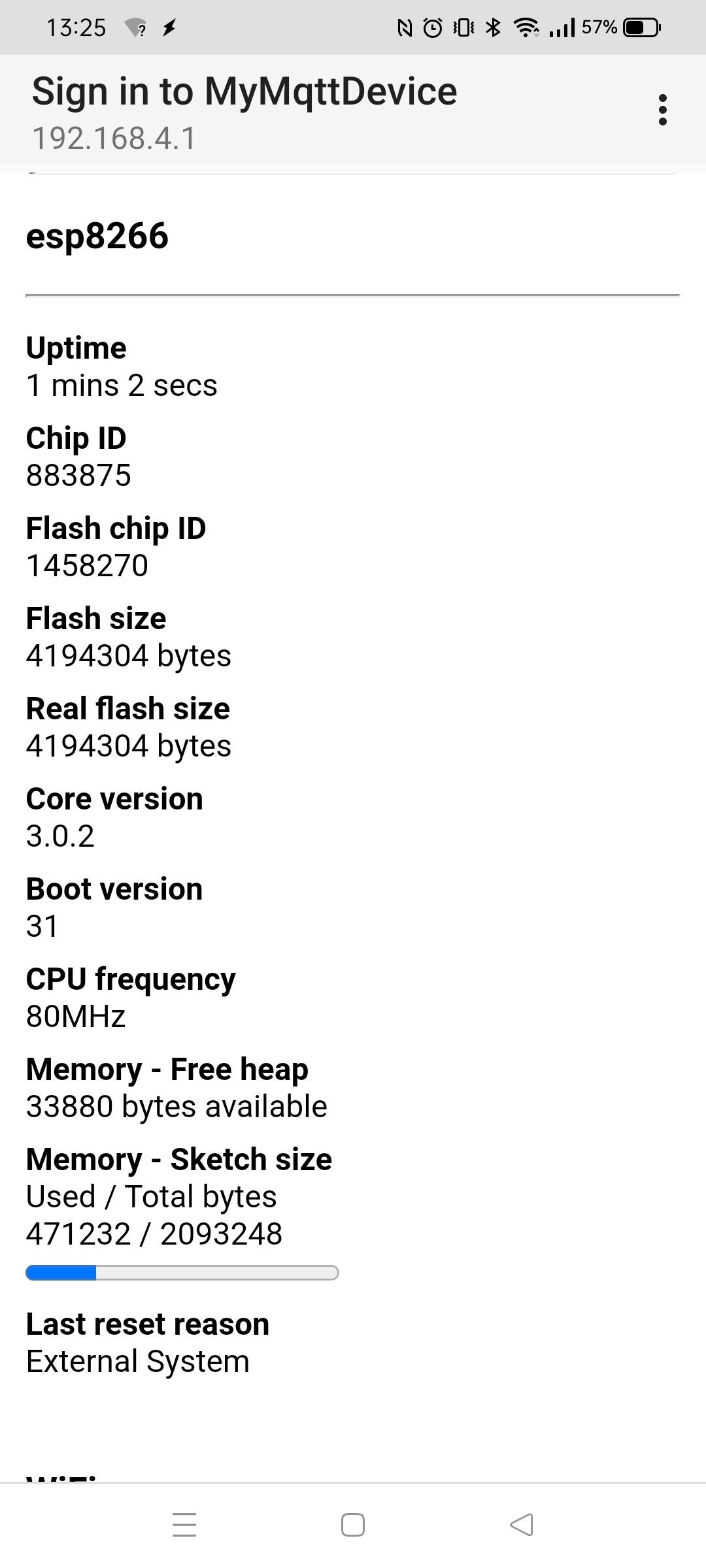
UPDATE: AccessPoint on Arduino implemented with captive portal for Wifi Configuration
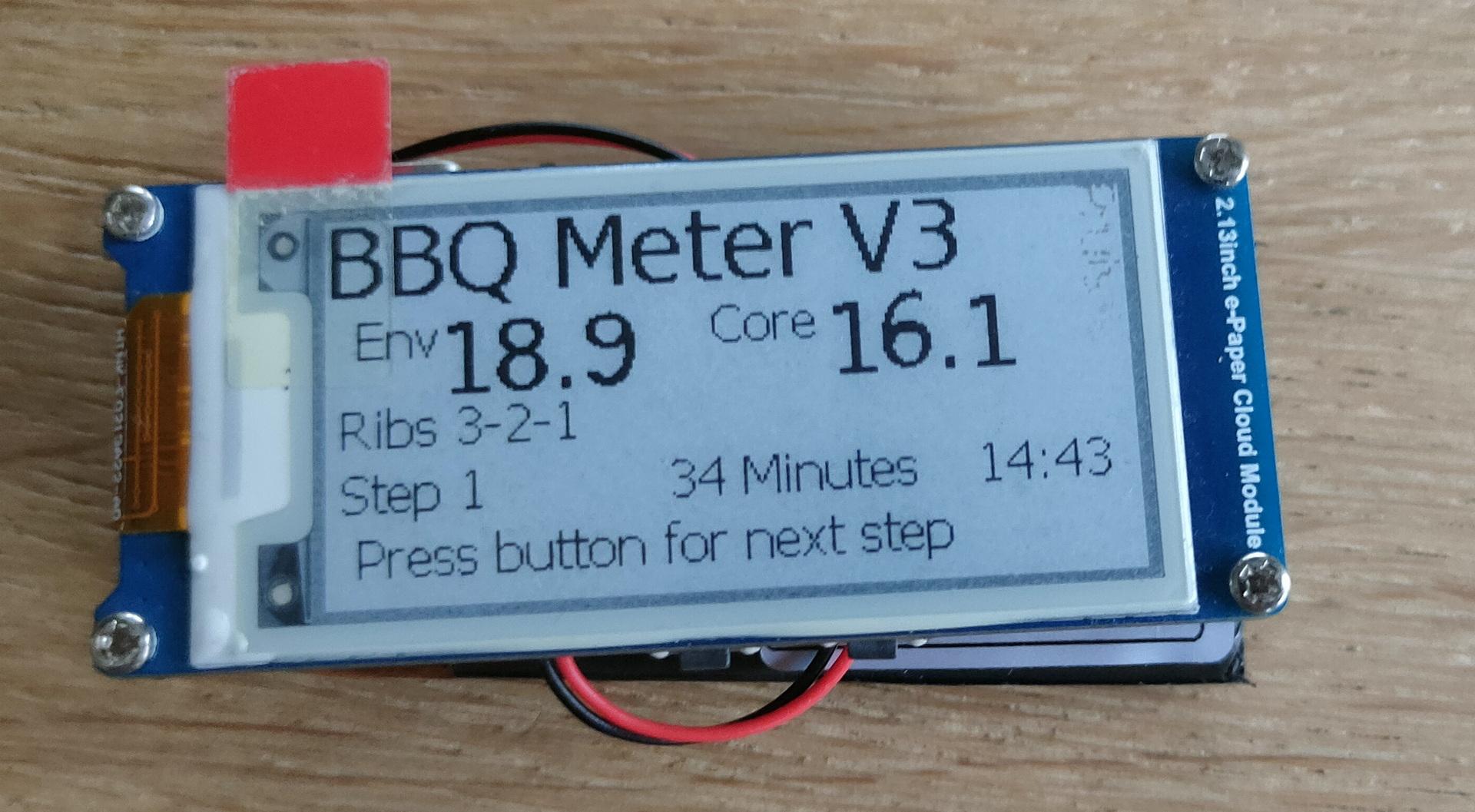
Got my Waveshare Epaper Cloud running on ESPHome
This is a Epaper display with a 2000mAh Lipo and a passive buzzer. Running parts of my Smoker monitor.
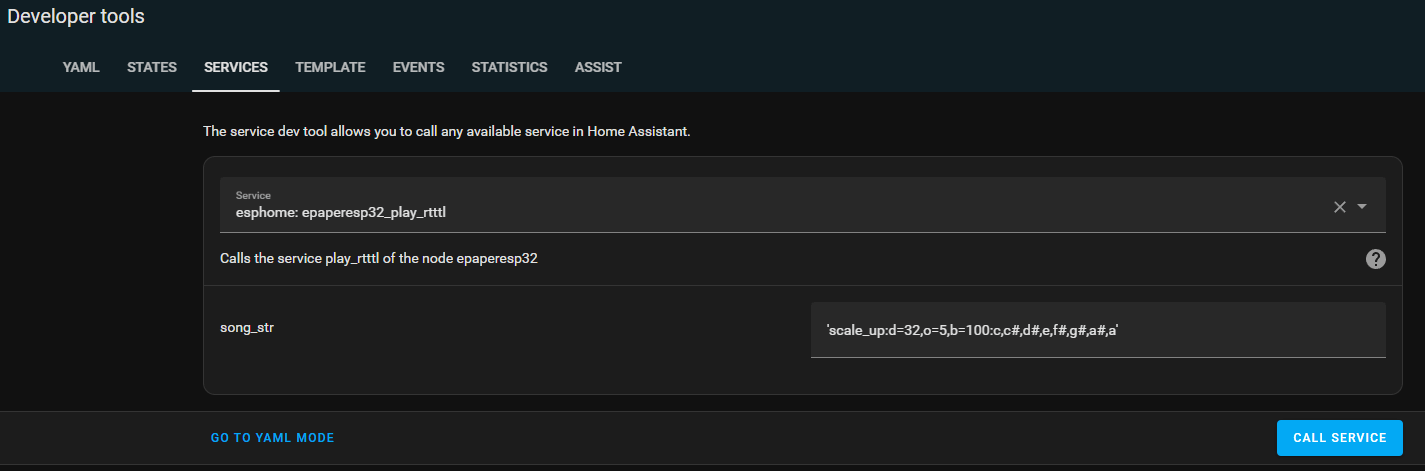
Below a little movie clip with RTTTL sound notification. (Send from Home Assistant) B.t.w. RTTTL are those ringtones we used to have. (Ring Tone Text Transfer Language)
Sending from HA
Parts of the ESPHOME Yaml NOTE: For the time, you need the time integration to get hours:minutes as a sensor!
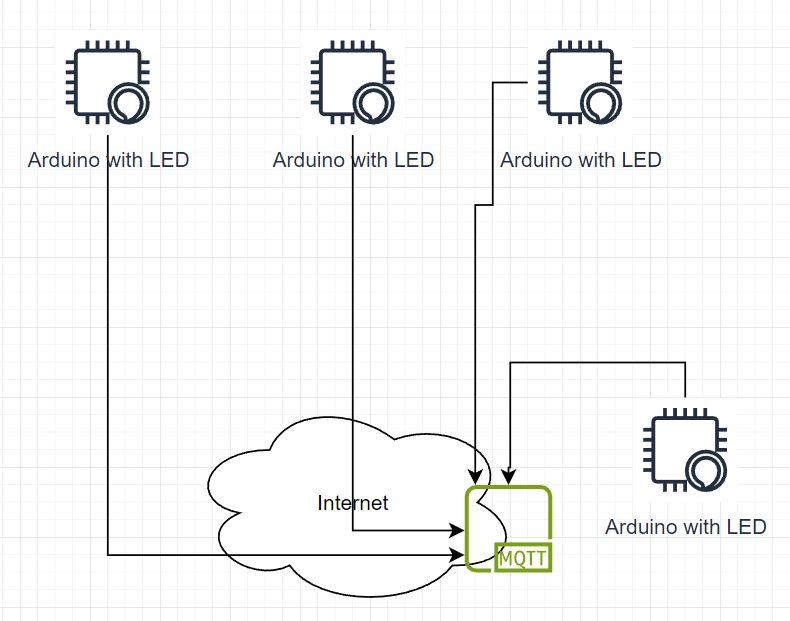
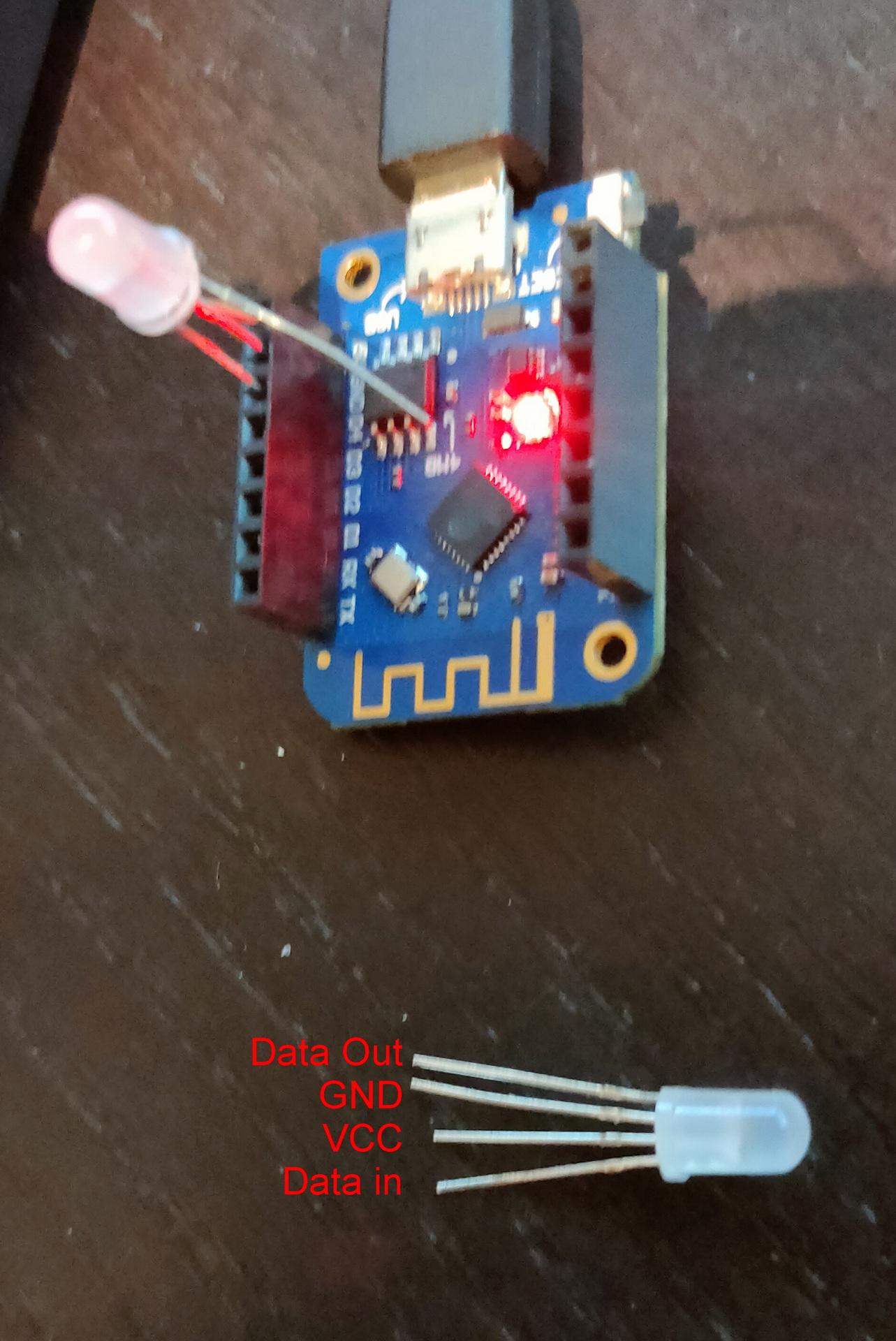
This is part of a test where my friends and me can have notifications LEDs over the internet.
Using certificate parts from: Controlling the led will be done using Mattermost webhooks, or slashcommand with custom scripting. (Mattermost is my own hosted chat server)
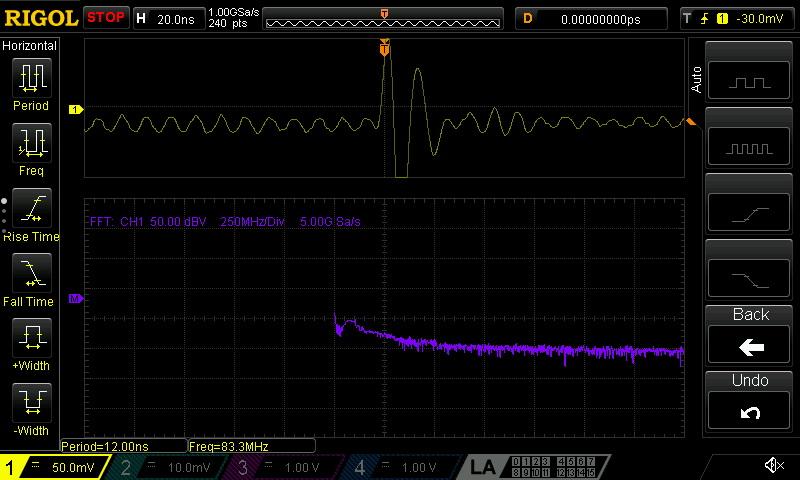
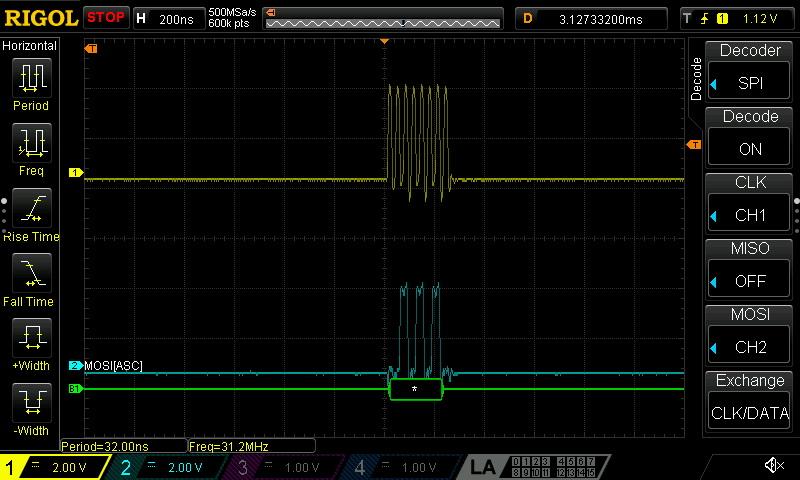
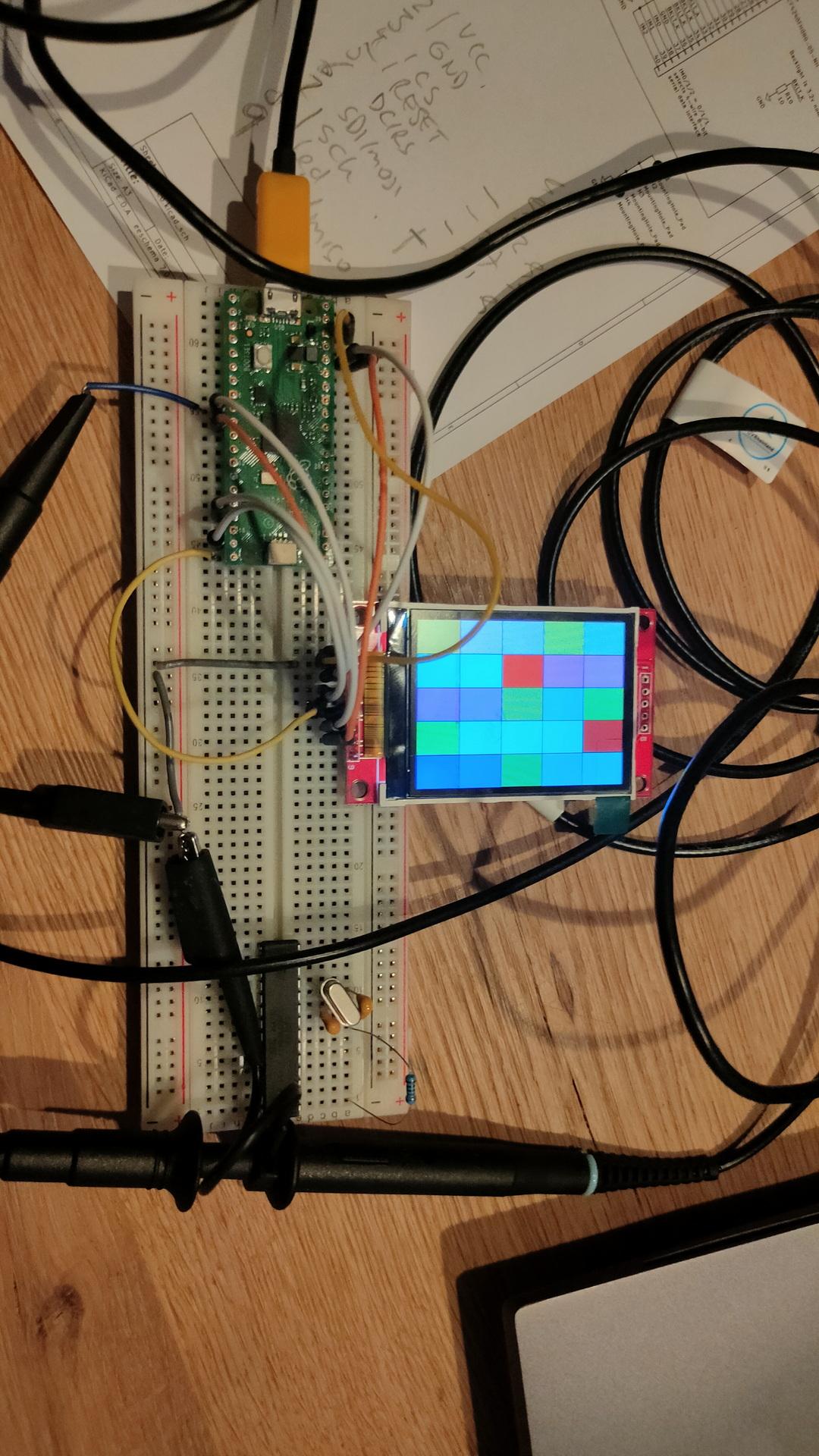
I was working on a MCUME proof of concept, with my own compiled version. But my combination of a Pico and an ILI9341 display didn’t work.
Luckily, a package arrived. My new scope!
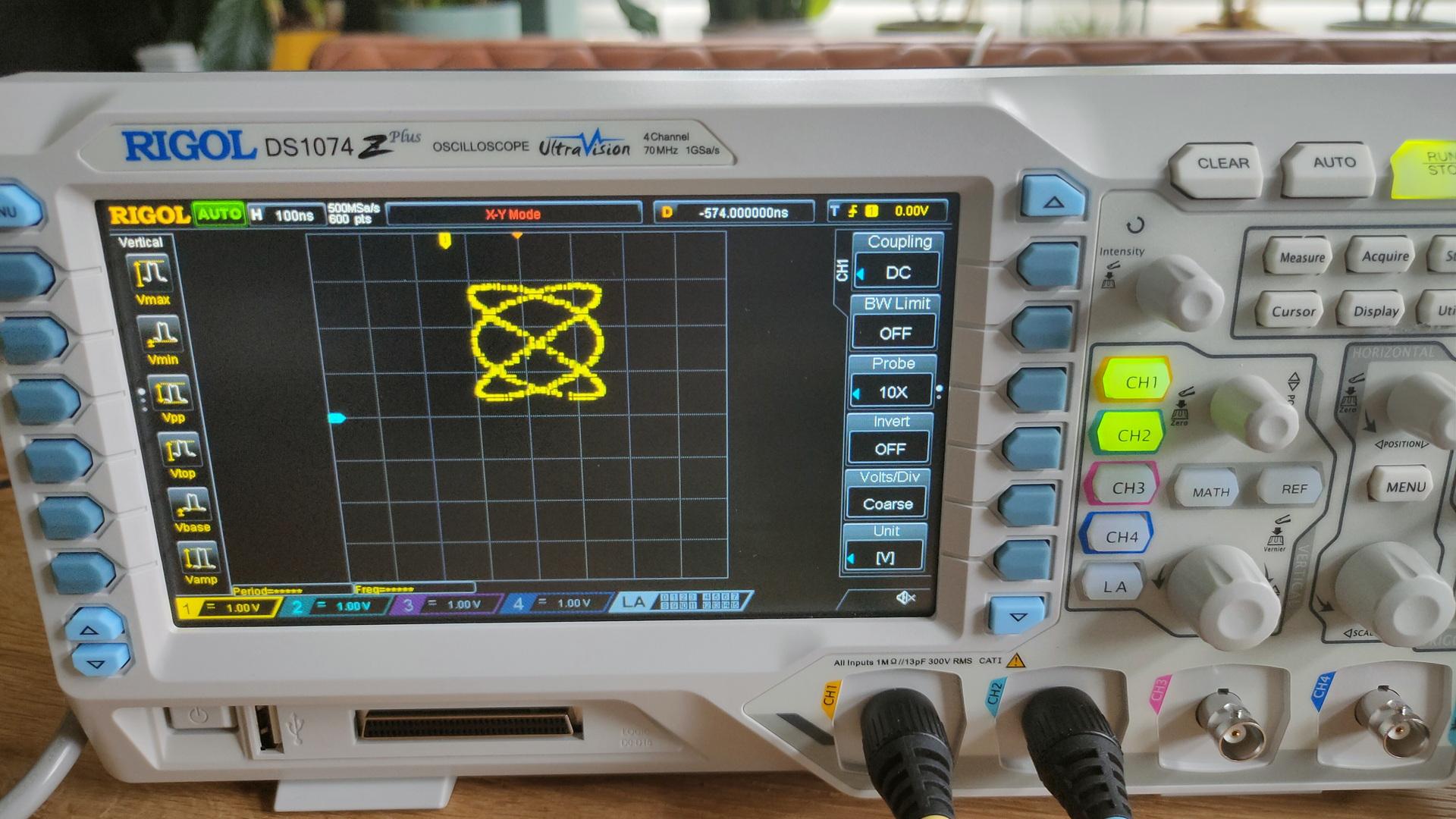
A Rigol DS1074Z+ oscilloscope! The replacement of my CRT version.
My new RigolThe old Crt versionNew and old, both with the ESP dual sine demo i’ve posted about.
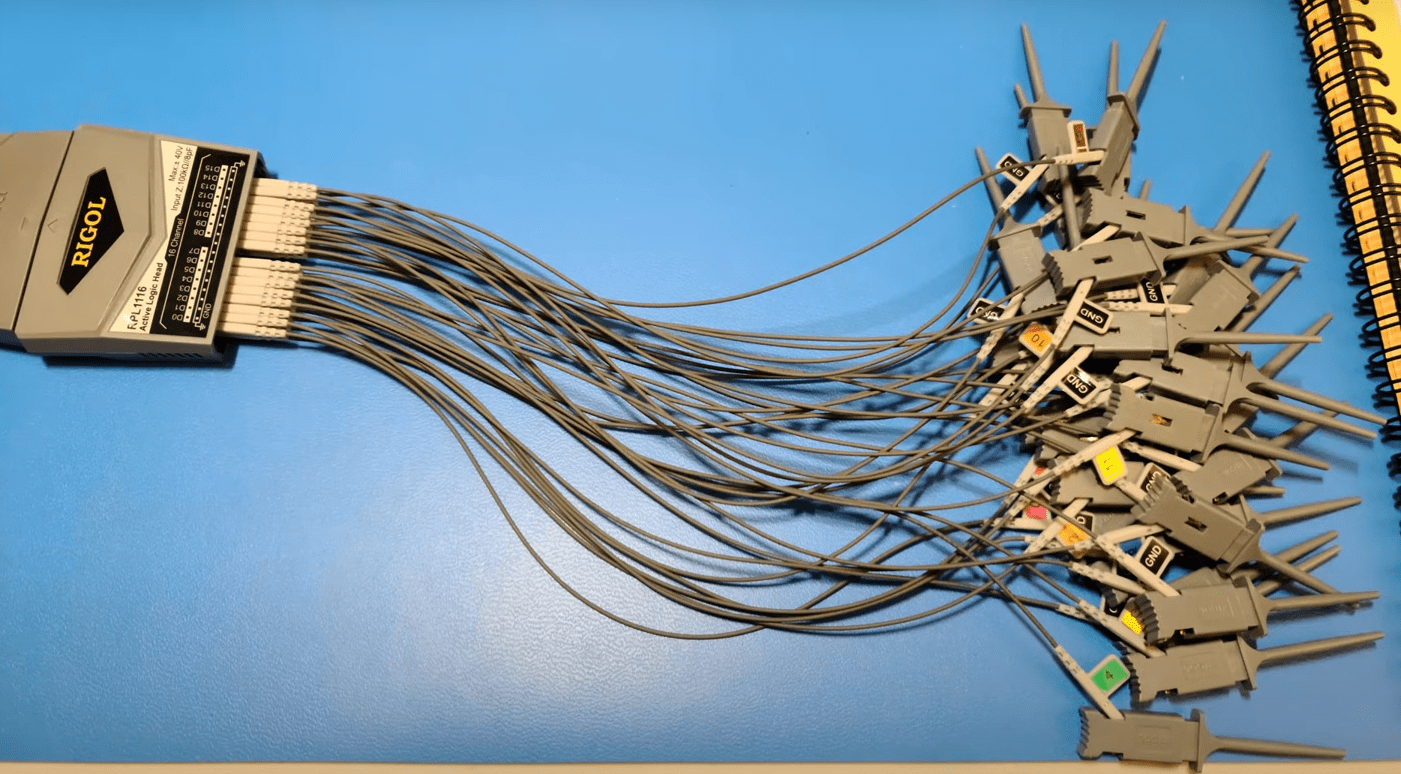
This new oscilloscope has 4 channels AND there is a add-on for a 16channel logic analyser.
For my next birthday?!? 🙂
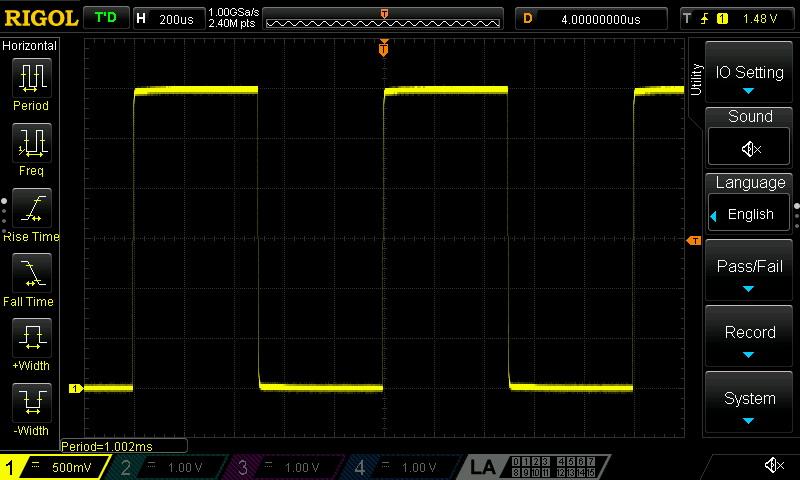
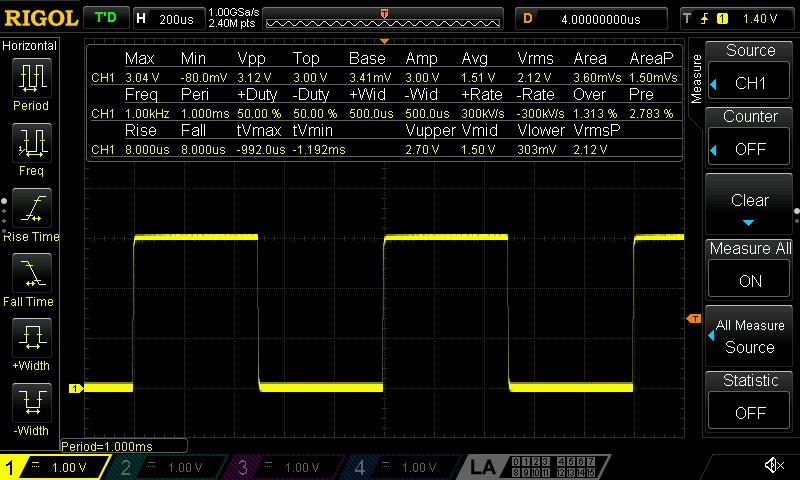
The Rigol can be connected to a wired network. So that’s one of the first things I did. (It came with all software options enabled, so no need to ‘fix’ those)
#!/bin/bash
#set -x
f=MAE
numba=$(ls *png | wc -l)
numbastart=$(( $numba - 10))
numbapadding=$( printf "%04d\n" $numba)
numbapaddingstart=$( printf "%04d\n" $numbastart)
echo "$f "
mkdir -p images/$f
mkdir -p metric/$f
for x in $(seq -w 1 $numbapaddingstart) ; do
	a=$(( $x + 10))
	for y in $(seq -w $a $numbapadding) ; do

	compare -fuzz 20% -verbose -metric $f  $x.png $y.png images/$f/$x-$y.png  2> metric/$f/$x-$y.txt
	echo -n "."

	done
done
echo ""
Step 3 : There are metric stats in a subdirectory, let’s find the most matching parts (top 10)
orgpwd=$PWD
: > /tmp/top10
more metric/MAE/* | grep all   | awk '{ print $2 }' | cut -f1 -d. | sort -n |head | while read ; do
grep -H all metric/MAE/* | cut -f1,2 -d.  | grep " $REPLY" >> /tmp/top10
done
cat /tmp/top10 | cut -f3 -d/ | cut -f1 -d. | while read part ; do
	echo mkdir -p "$part"
	startpart=$(echo $part | cut -f1 -d-)
	endpart=$(echo $part | cut -f2 -d-)
	for file in $(seq -w $startpart $endpart) ; do
		echo cp 0${file}.png $part/
	done
	echo cd "$part"
	echo ffmpeg -y -framerate 30 -pattern_type glob -i \'*.png\'  -c:v libx264 -pix_fmt yuv420p out.mp4
	echo cd $orgpwd
done
Run above script as ./script.sh > mybash.sh
This generates a bash file, check the contents and run using
“bash mybash.sh”
Last step : There are 10 movies in subdirs which should contain the best looping parts. check these with: (use CTRL-Q in vlc to stop looping and go to the next file
ls */out.mp4 | while read movie ; do vlc -L $movie ; done
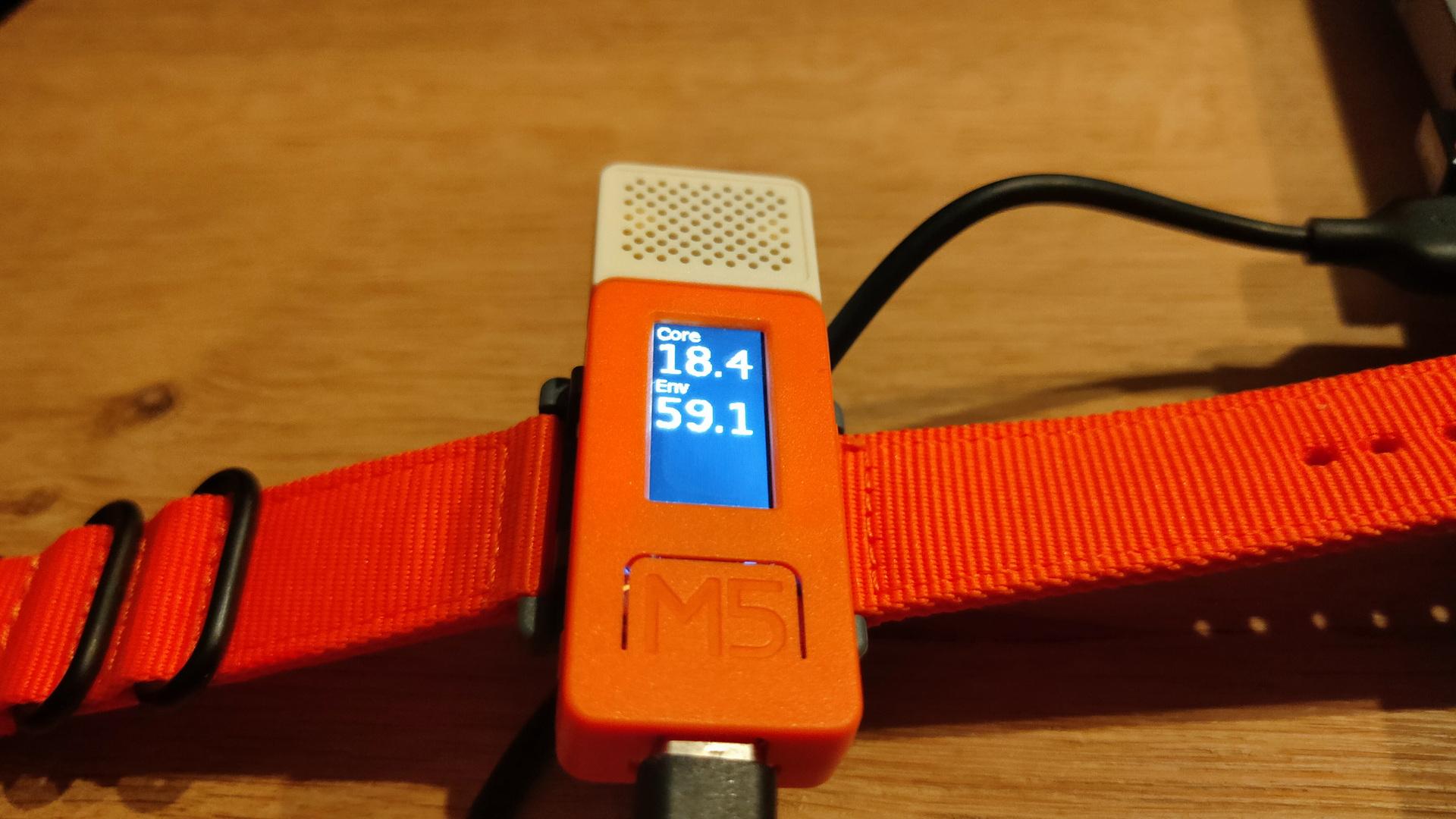
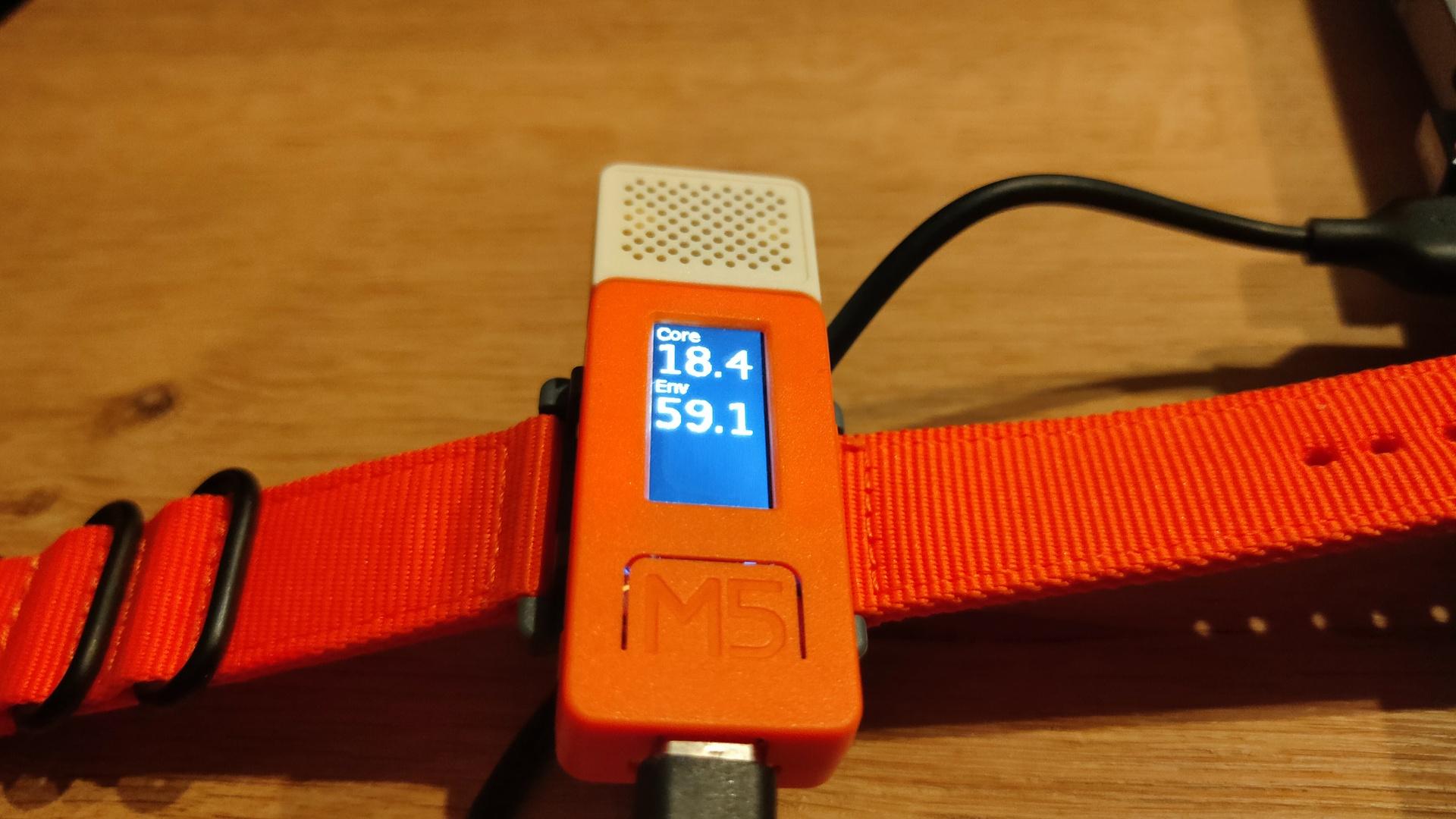
Not posted in the past, new version using ESPHOME and a m5stickc
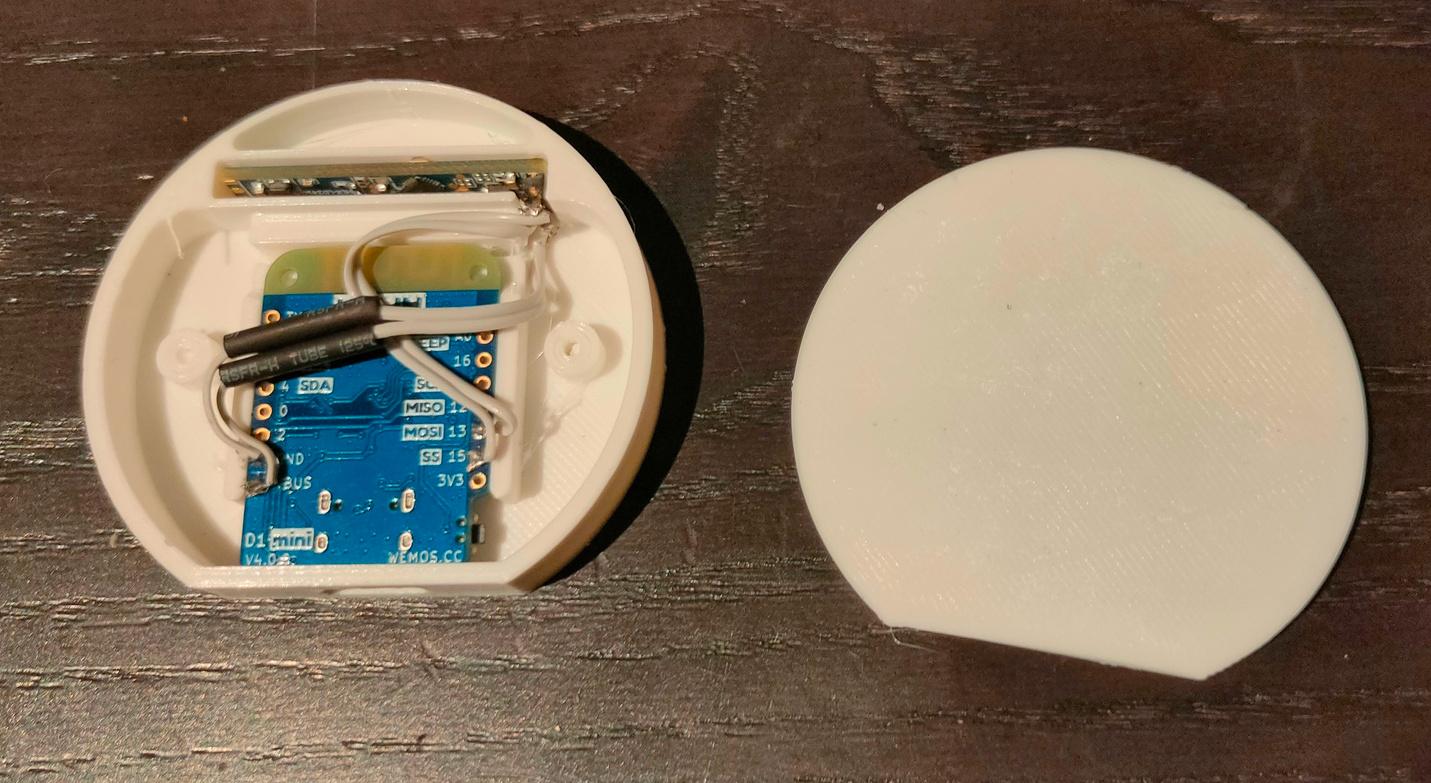
Previous version using a ESP12
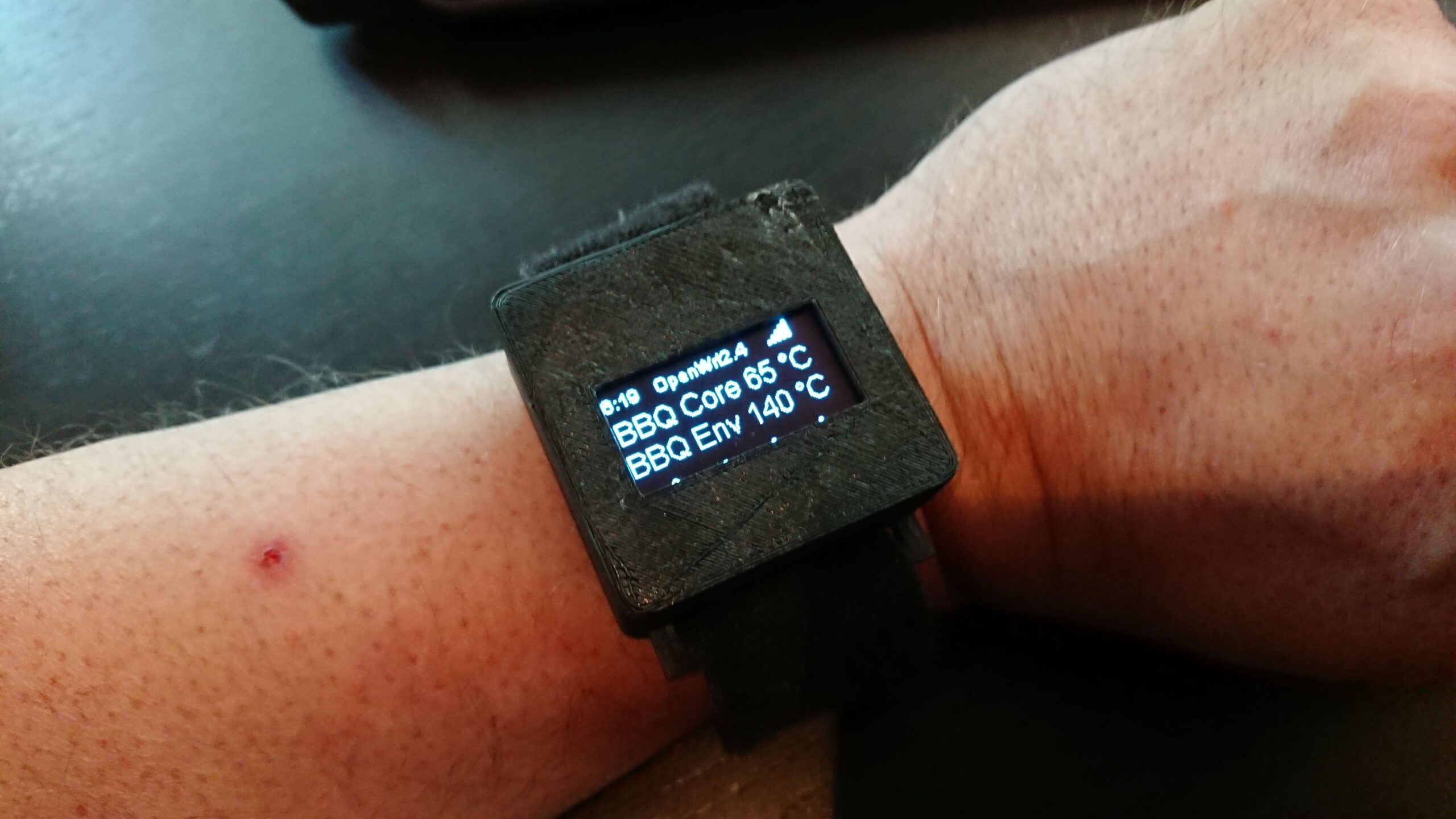
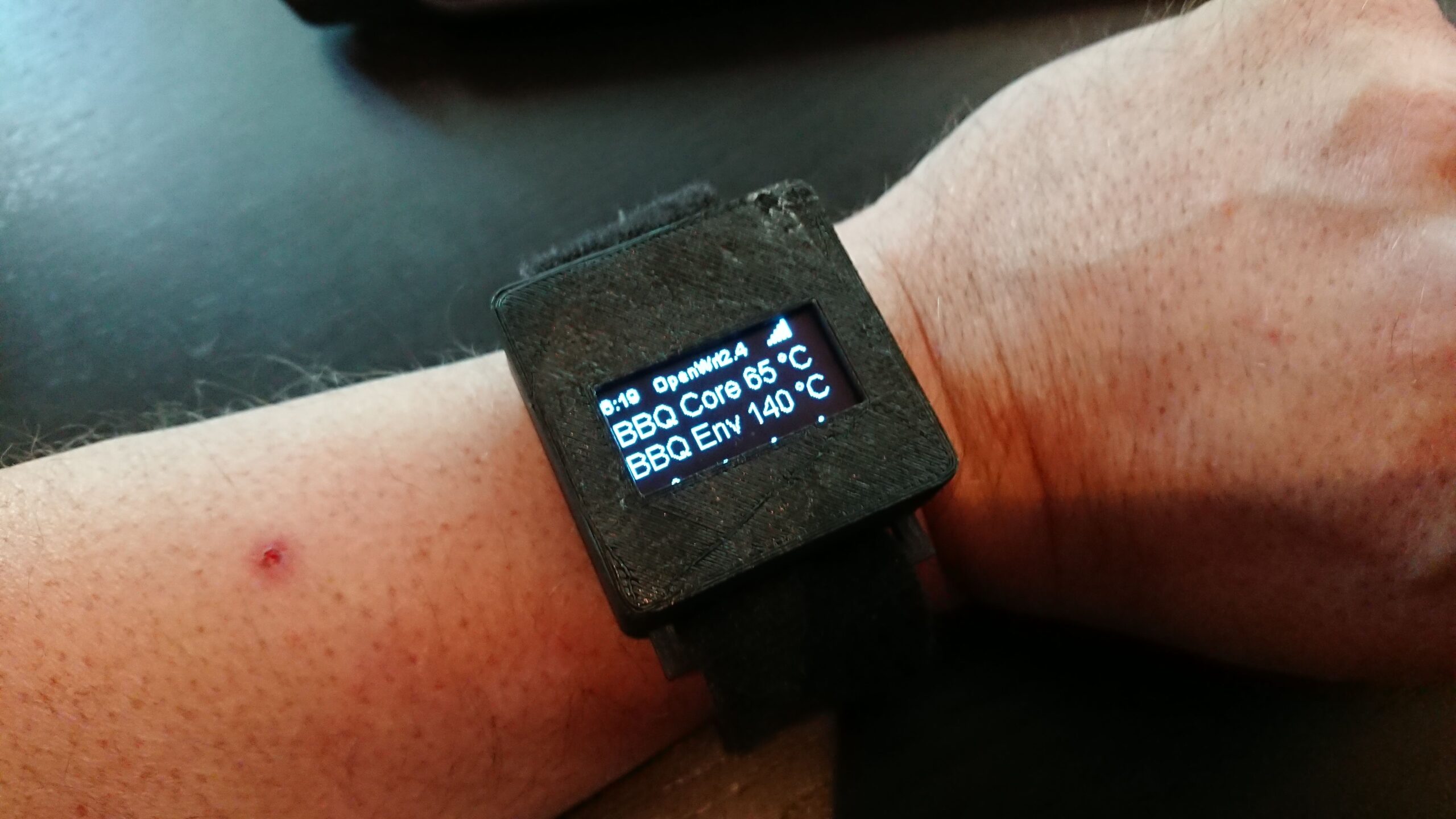
A “watch” with core and environment temperature of my smoker with a alarm, and button for timers.
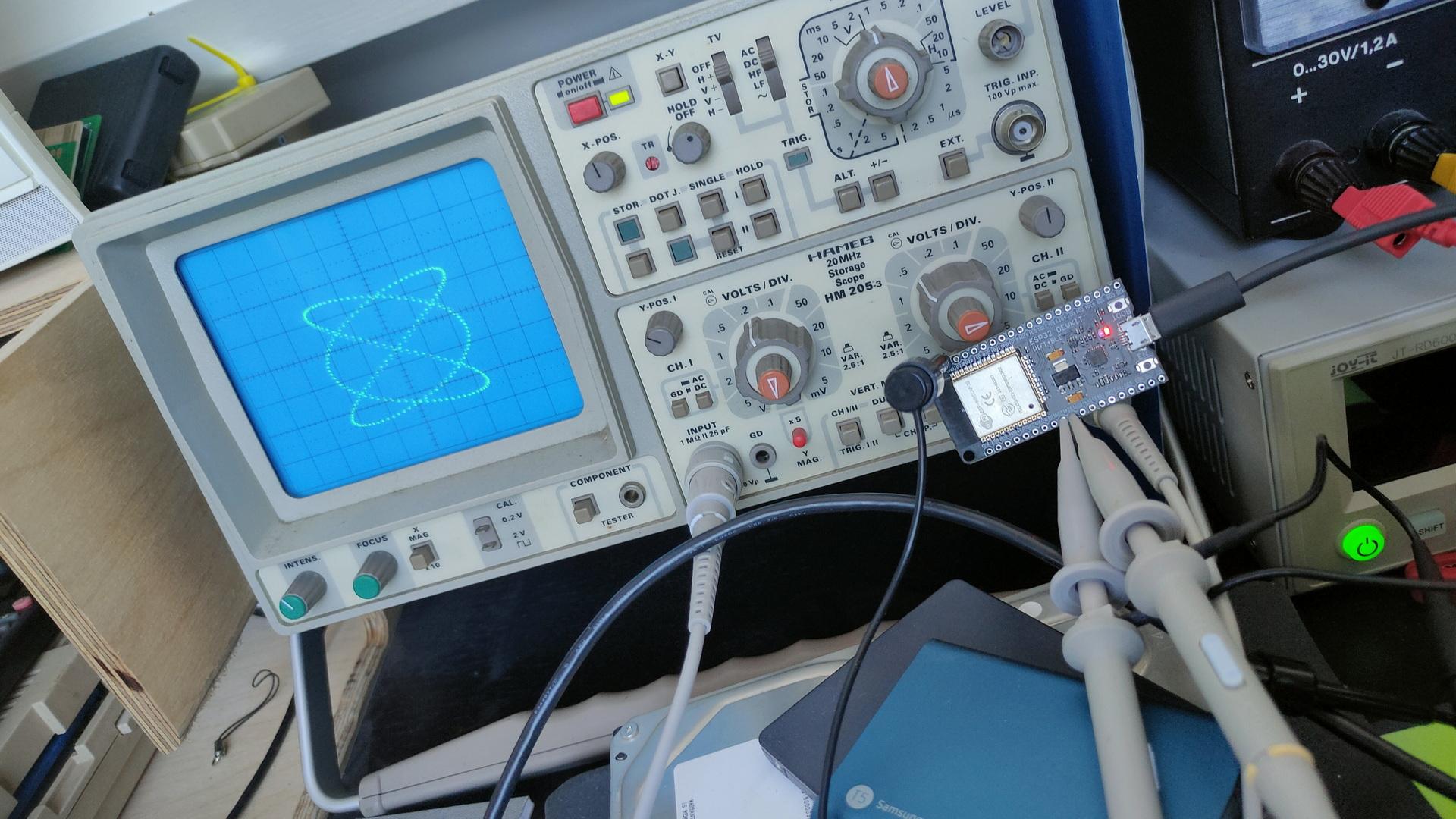
ESP32 dac’s drawing on oscilloscope ( no additional components)
ESP32 in front of scope, two clips for x and y
For above i used sin/cos functions 2:3, which creates Lissajous figures. See: https://www.henriaanstoot.nl/1992/01/01/oscilloscope-graphics-using-a-amiga-bonus-vectrex/
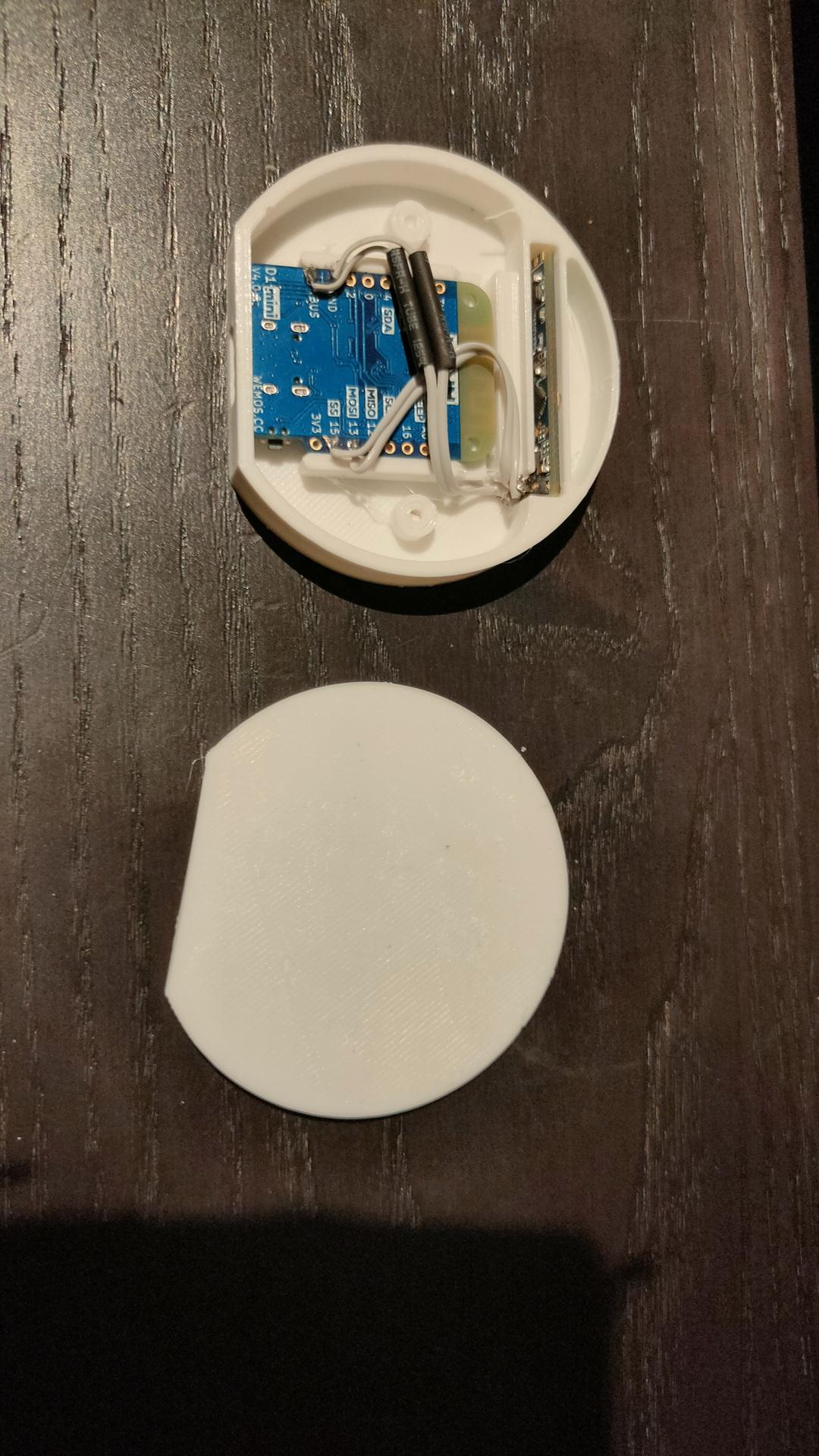
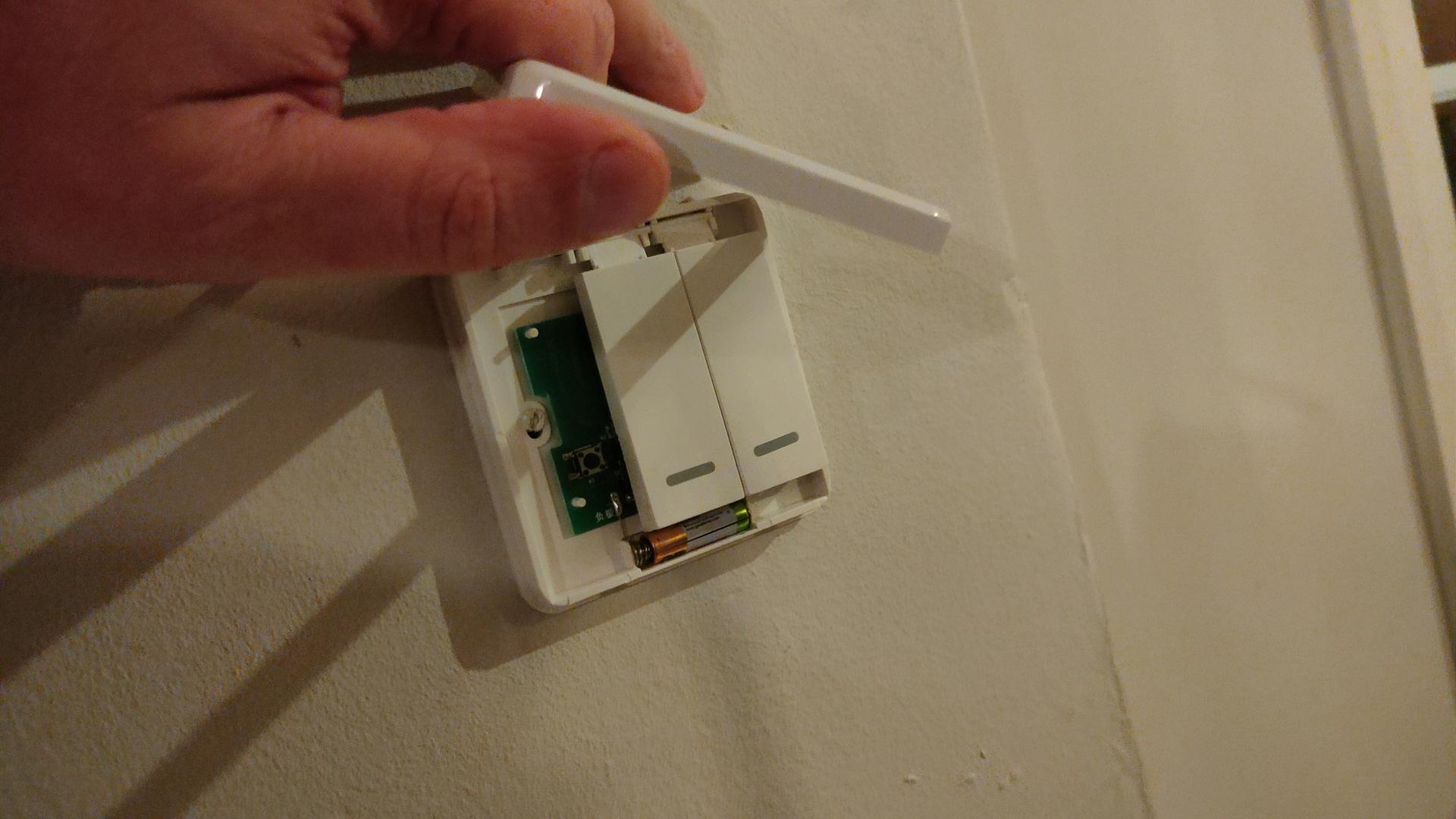
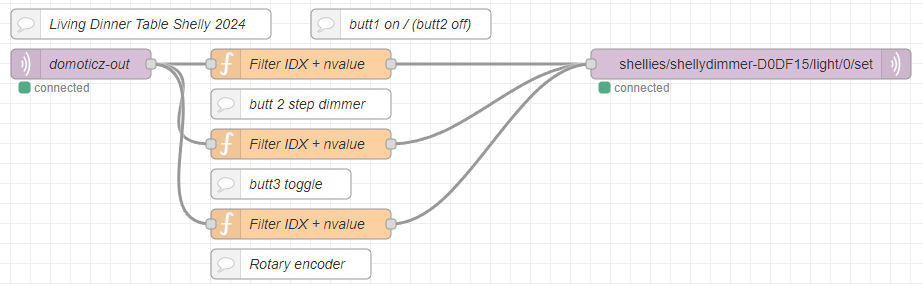
3 battery operated buttons (no wires needed) to control my shelly dimmer at the dinner table.
left button on, middle steps per 20% and 3rd button off. (This cheapass button only sends ON commands)
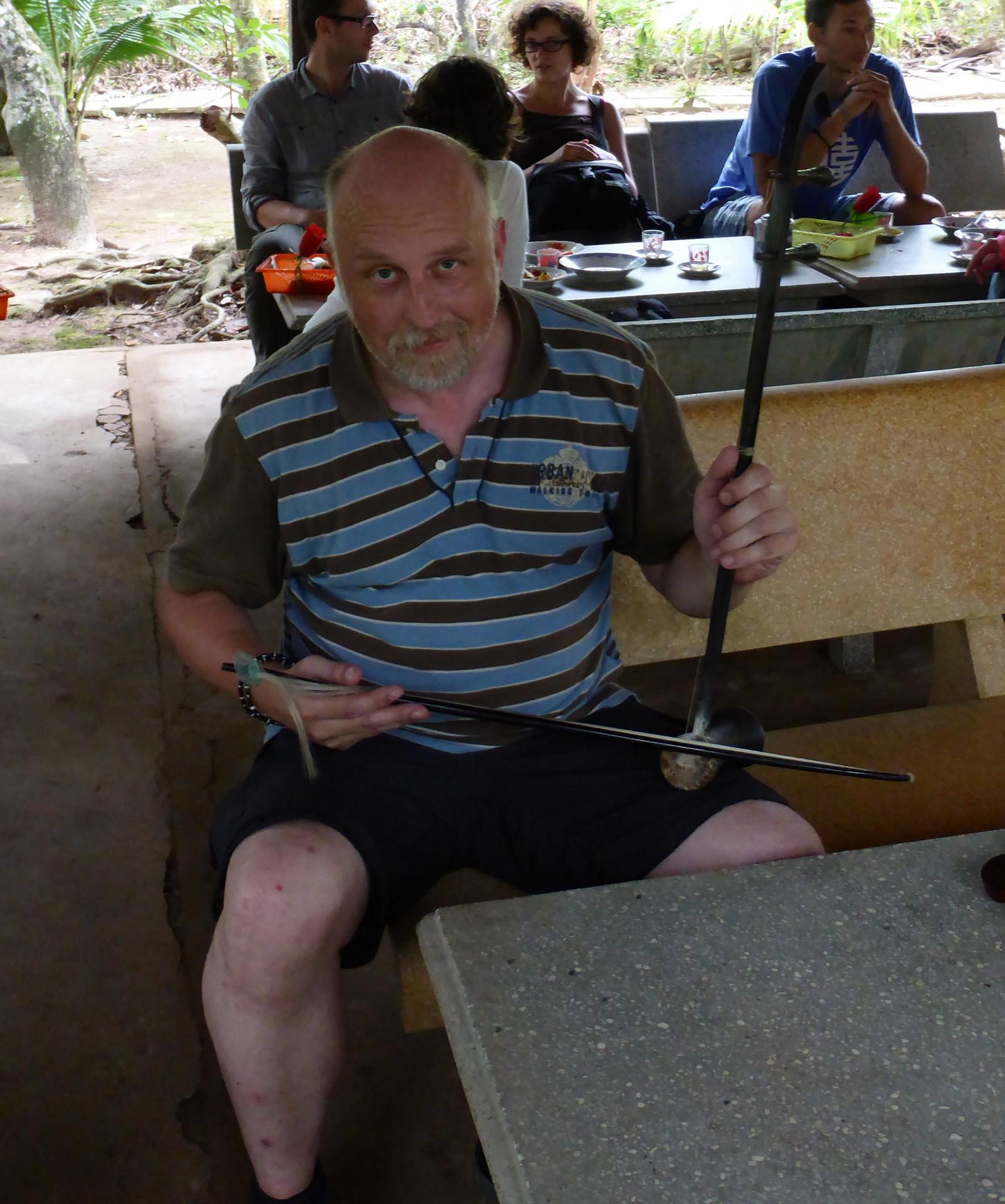
Whenever I come across a musical instrument I want to try it.
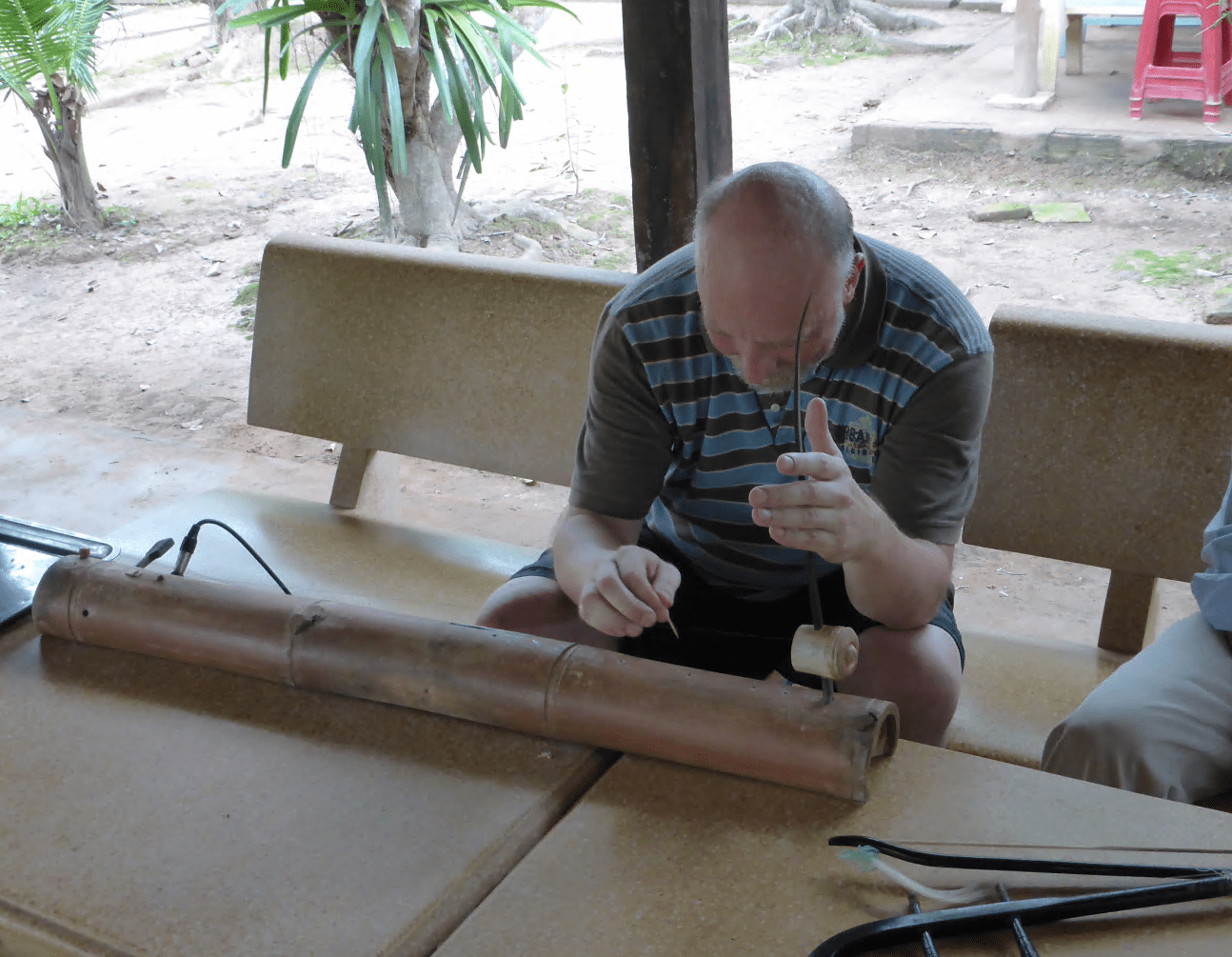
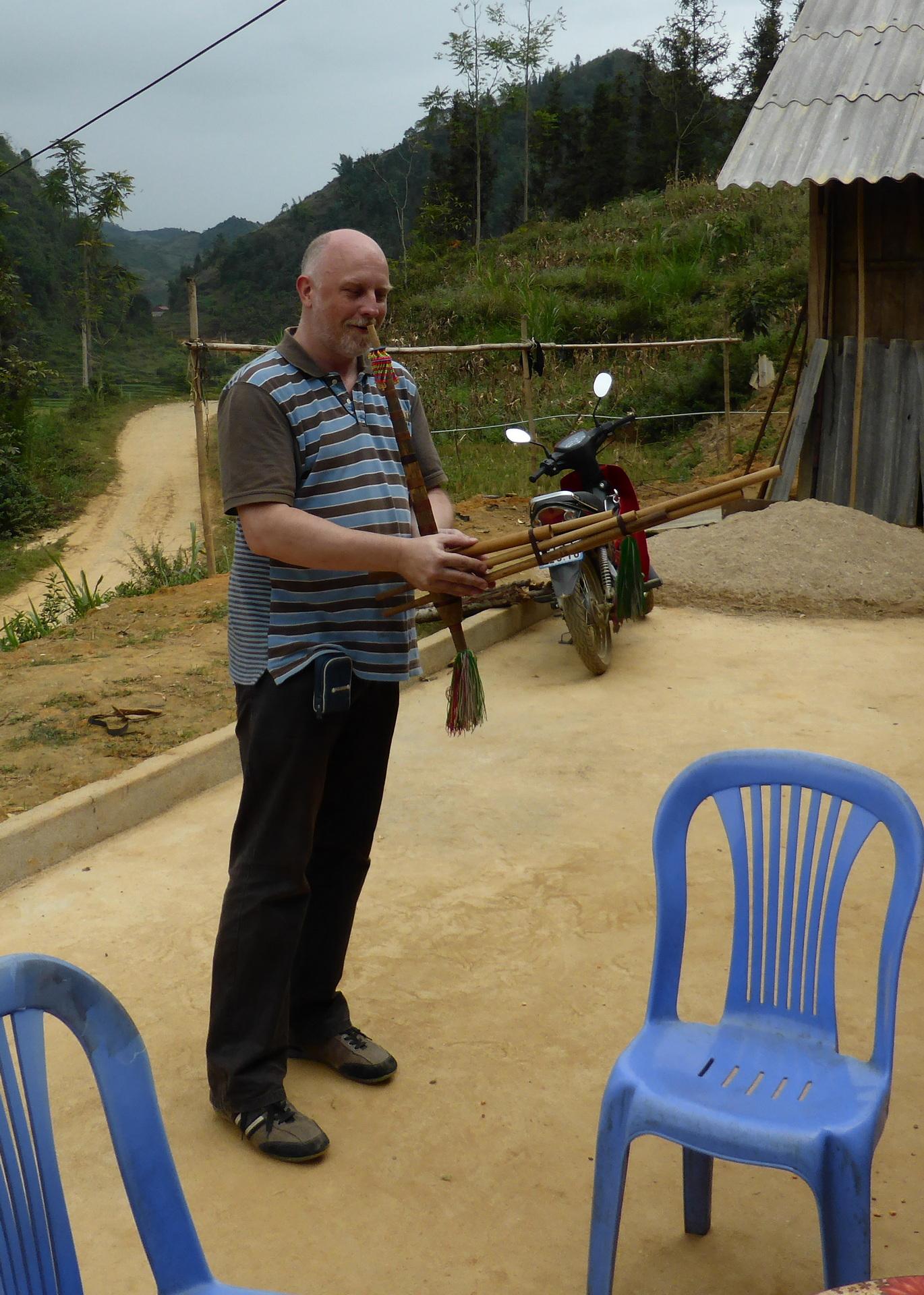
Dan NhiDan BauKhenOld dude we met, playing a KhenVietnam (2013)
But here are some others I like
Guzheng (Instrument)
Altai – Bai Terek (Band) – Throatsinging and Tovshuur instrument
Alexei Arkhipovskiy – Balalaika
Ney Flute (Egyptian)
Kyiv Ethno Trio – Overtone Flute (no fingerholes)
Largest flute (at the end)
Also cool (Flute with “drone”)
Didgeridoo
Jaw Harp (I’ve got one, but i’m not good at it) also known as : Jew’s harp, mouth harp, Ozark harp, juice harp, murchunga, guimbarde, mungiga, vargan, trompe
Not an ancient instrument, but cool nevertheless. I play Misirlou on BorderPipes using accidentals, I’ll upload this soon.
Found a crappy recording of Misirlou on my Borderpipes. C-sharp, B-flat, F-Natural and G-sharp as accidentals. Hard to play on Great Highland Bagpipe without using a lot of tape. 🙂