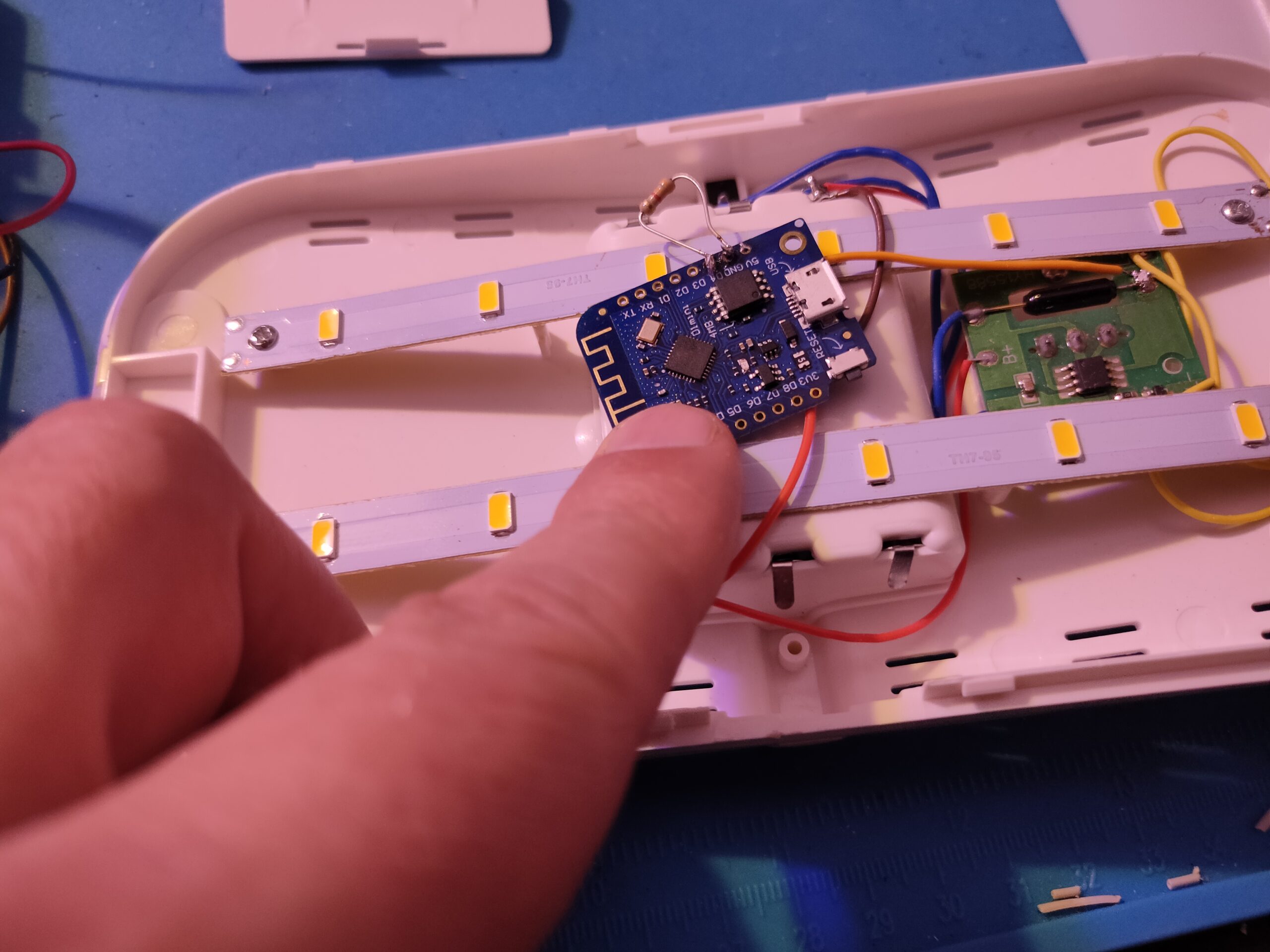
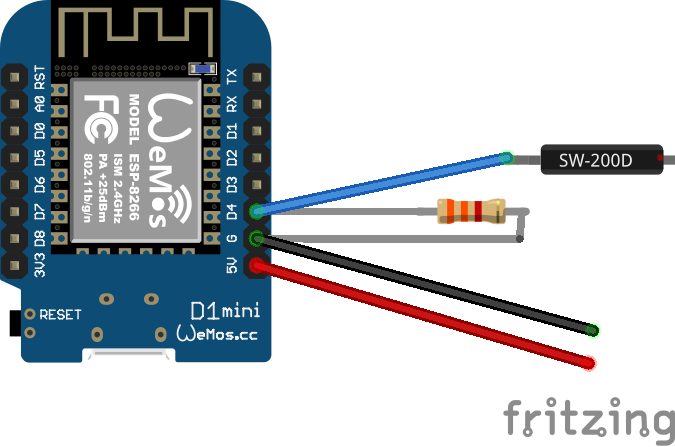
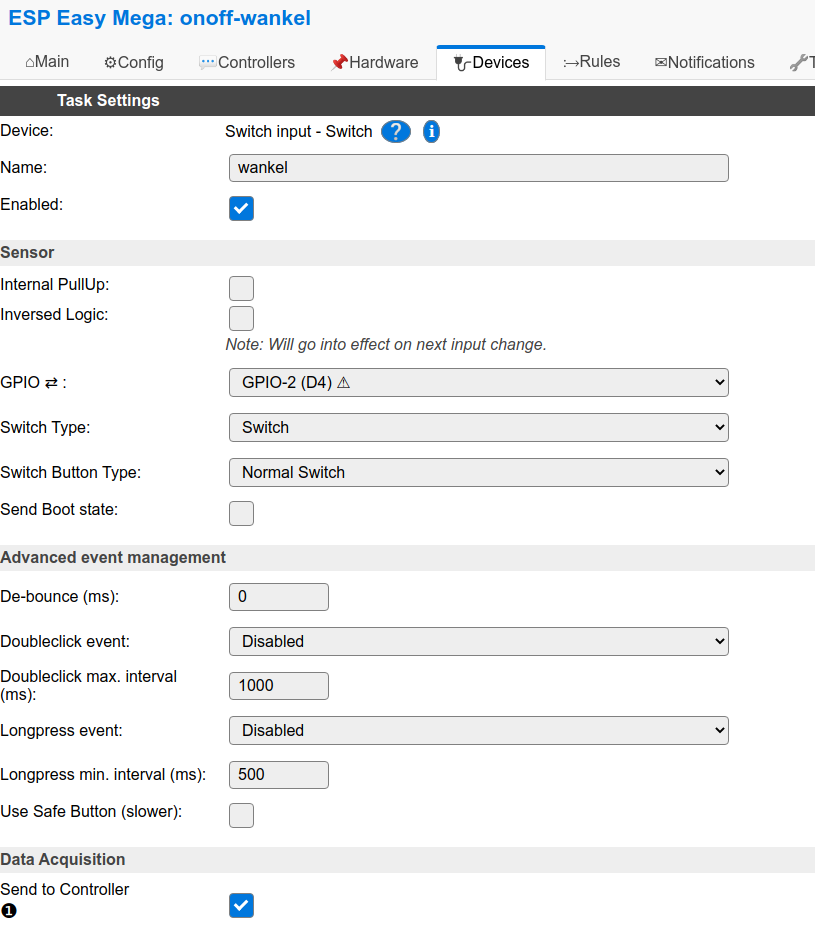
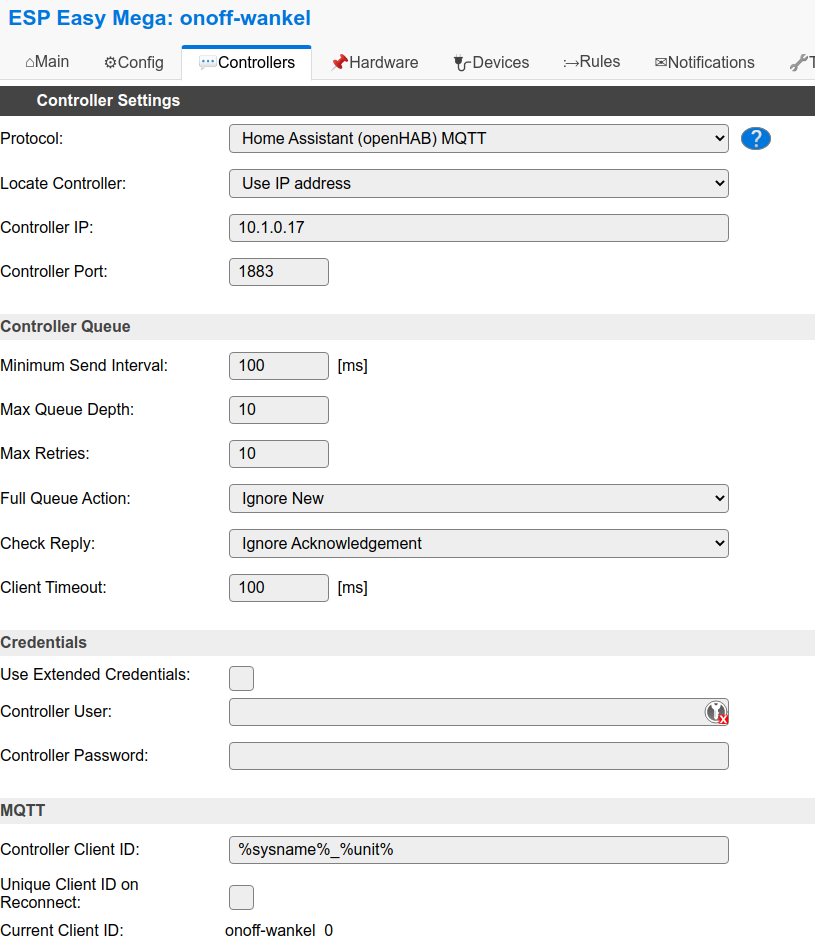
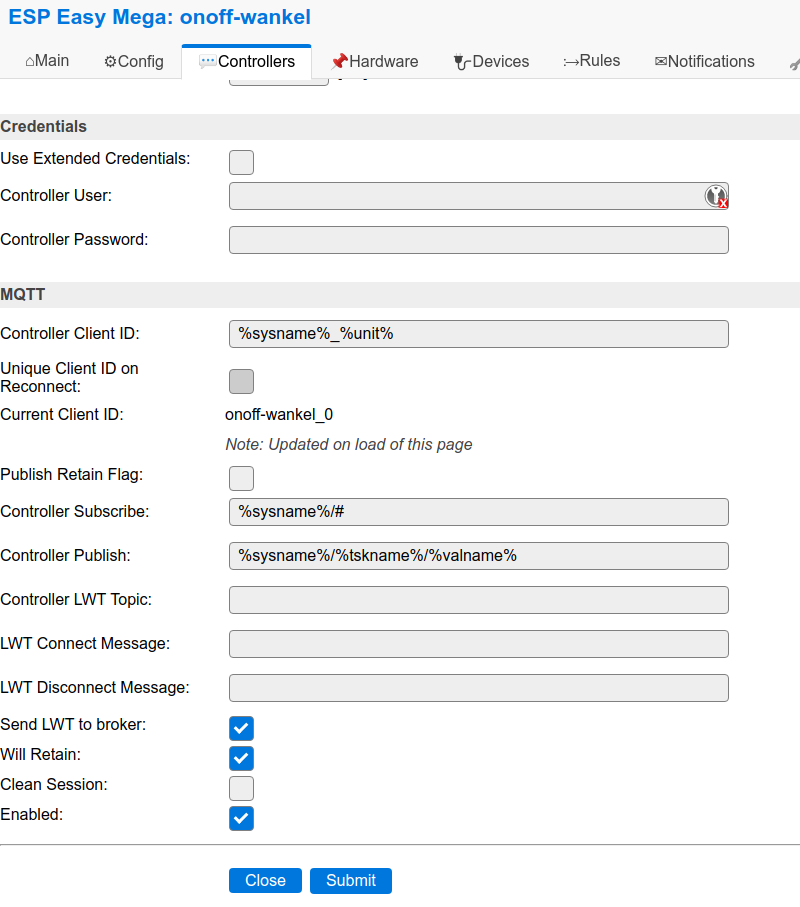
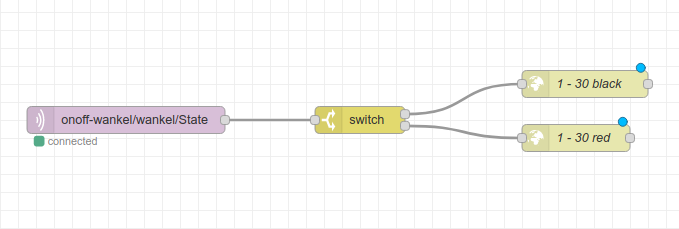
Example is using my ledserver, see other post, but i intent to made a easy to configure node red panel where the to be controlled devices are preconfigured.
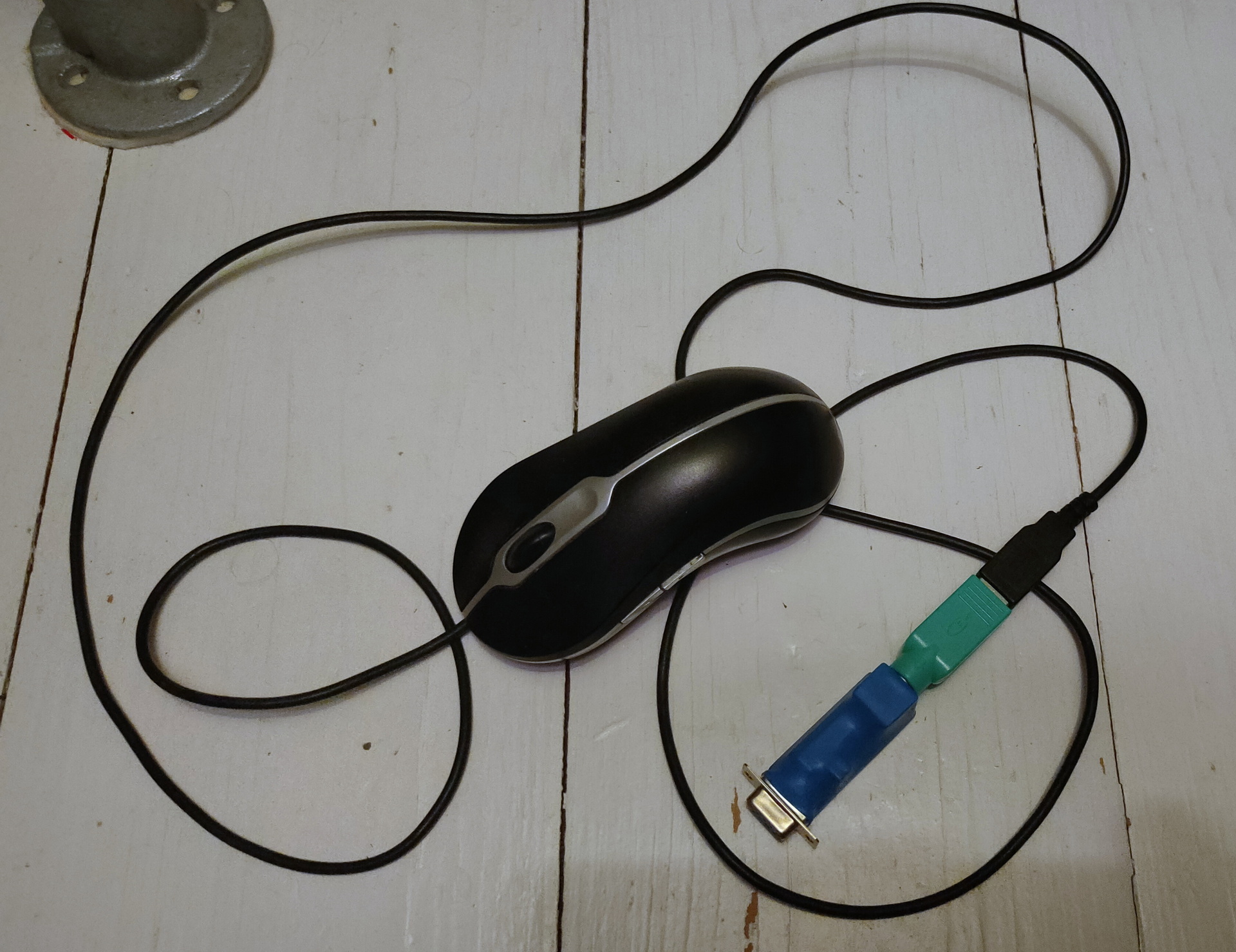
My tank mouse died .. beyond repair. Blue 9pins to ps2 works great!
A switchless (using key combination) diskdrive switcher df0<>df1
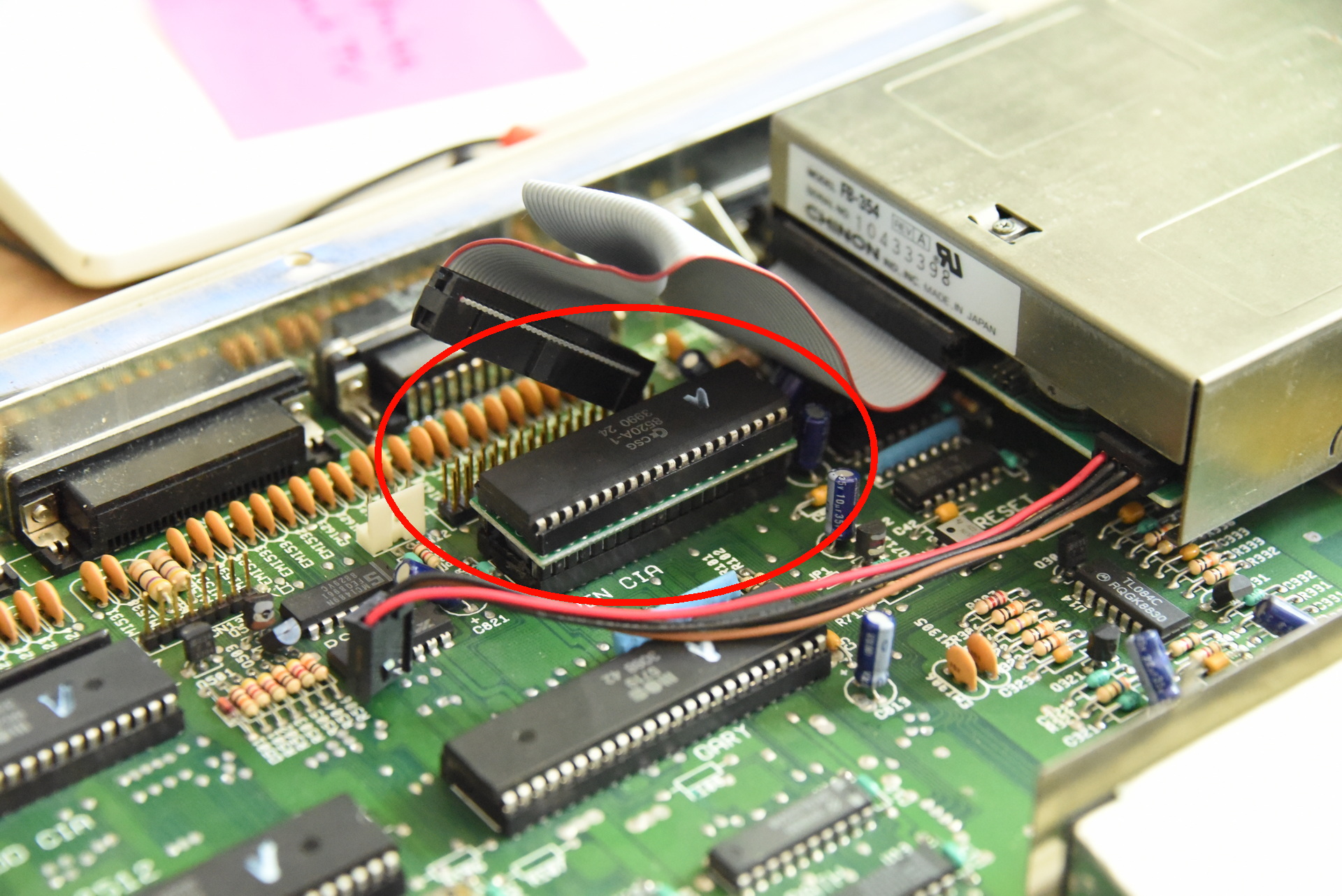
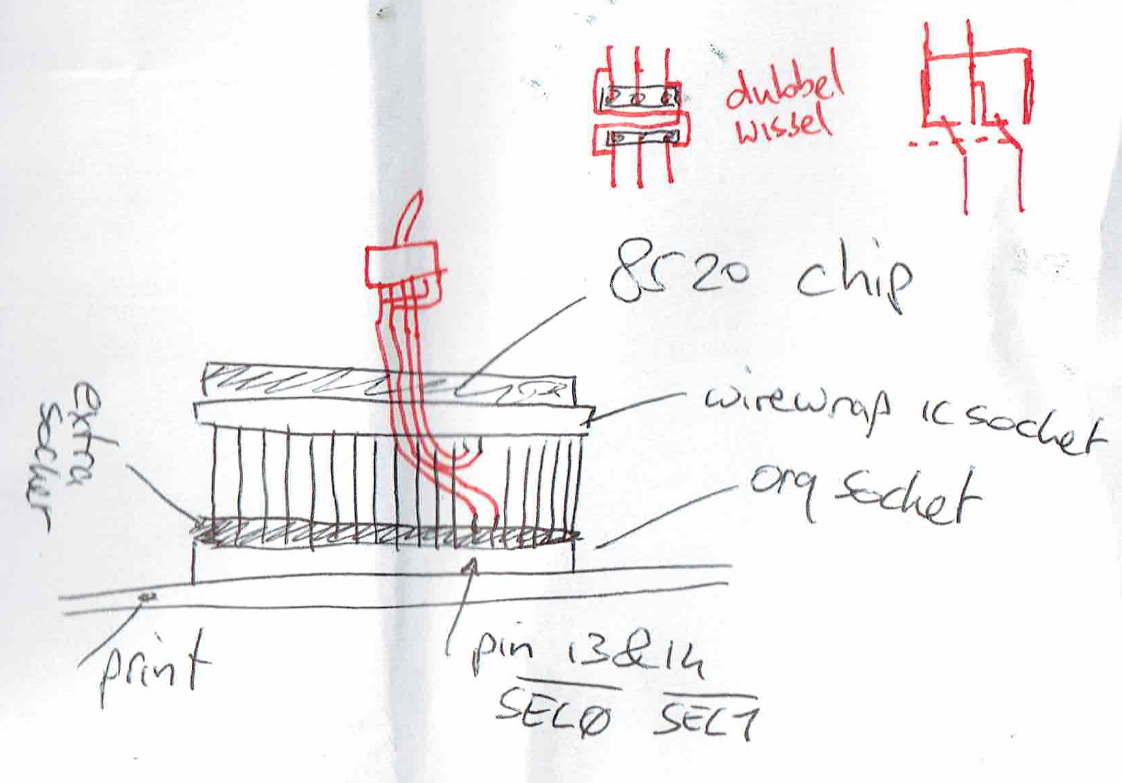
I used to make a floppy switch myself in the past, i used a wirewrap socket, and a cross switch. Made a hole in the back, with the little switch. This one does not need a hole in your case for the switch.
Own floppy switch
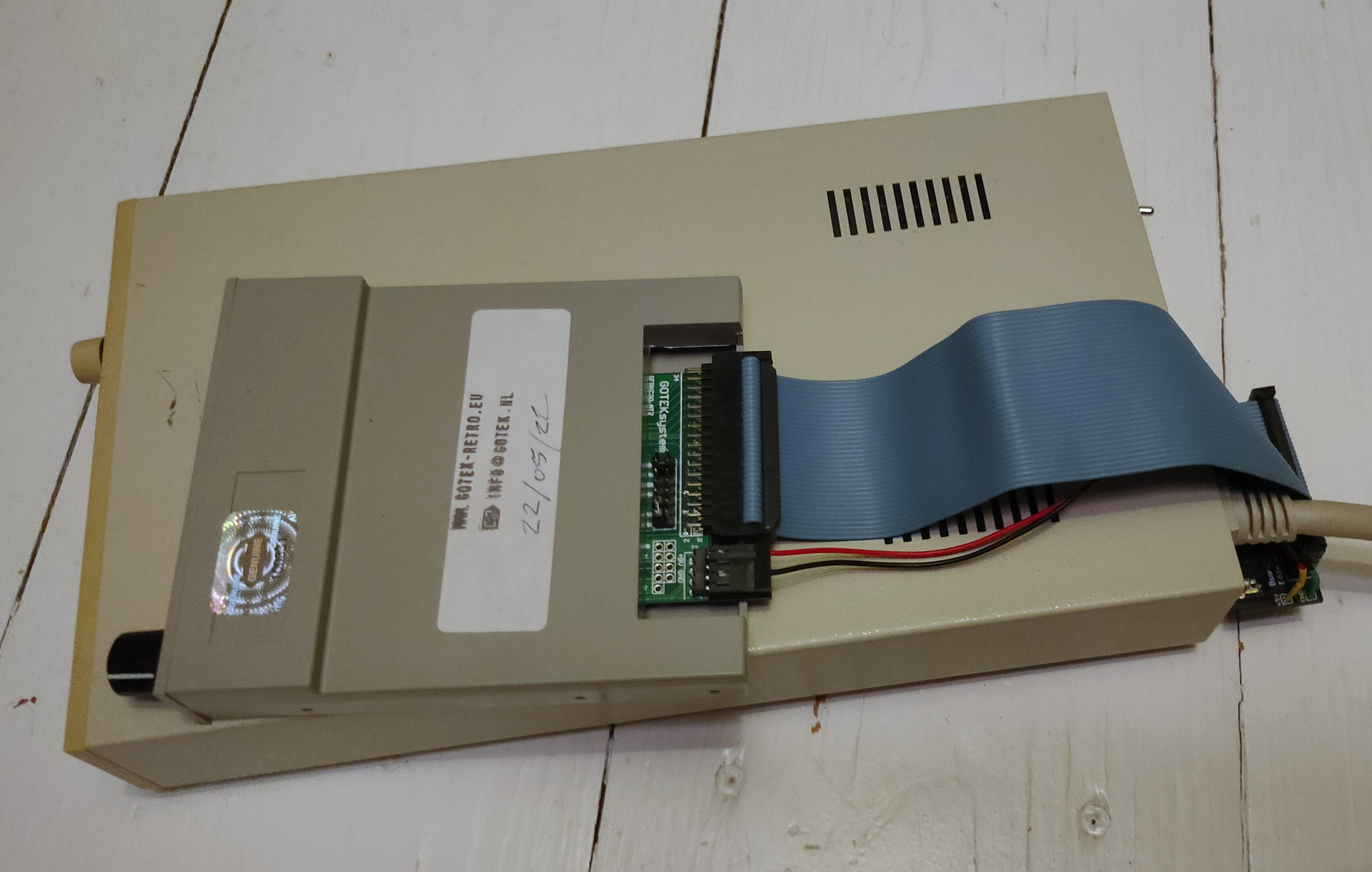
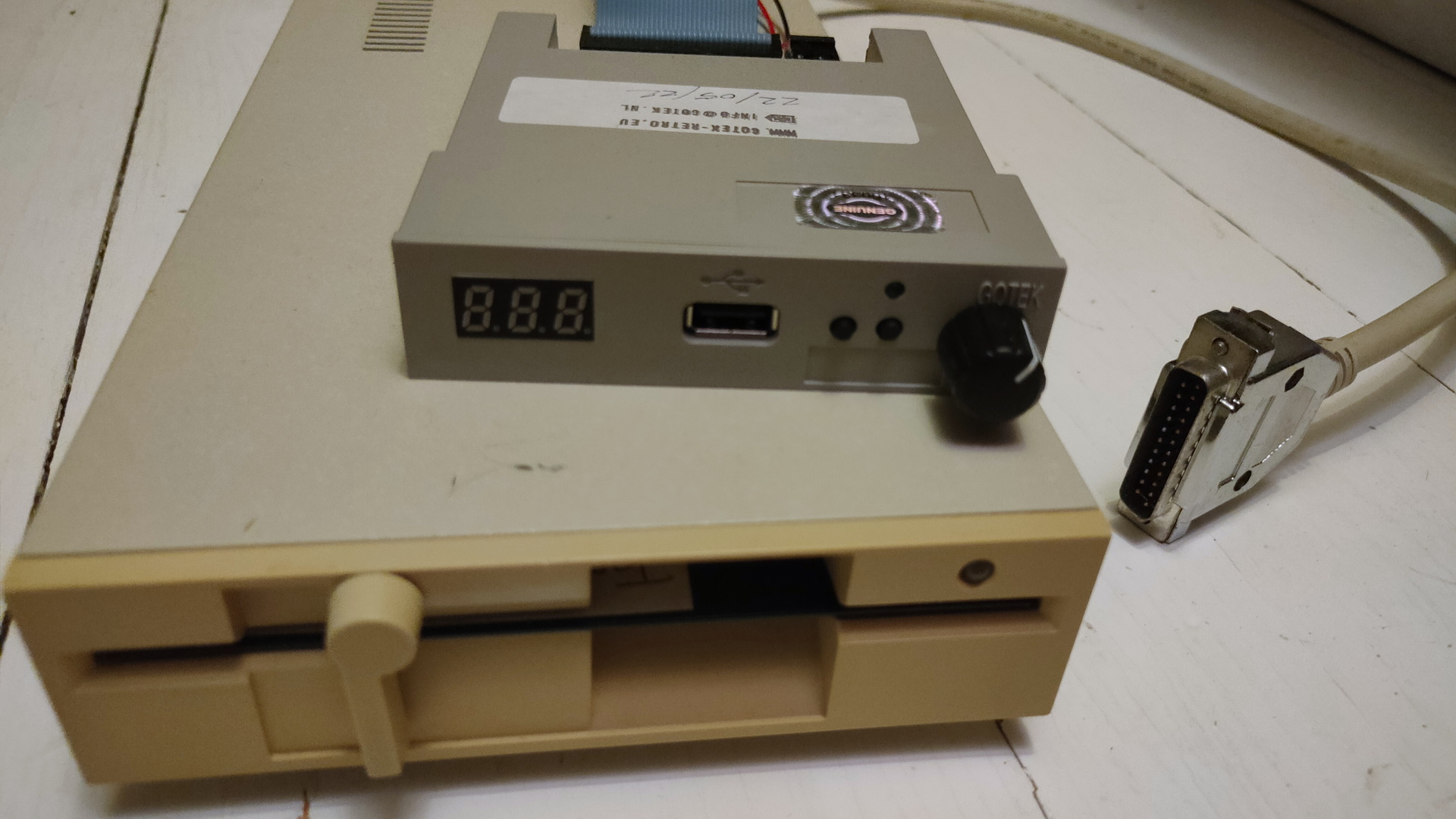
Gotek Floppydrive Emulator with Rotary Encoder
Gotek drive ontop of my 5.25″ drive with adaptorDisplay and usbstick port
This drive supports a lot of disk formats and systems, i will have to look into that .. https://github.com/keirf/FlashFloppy/wiki/Host-Platforms
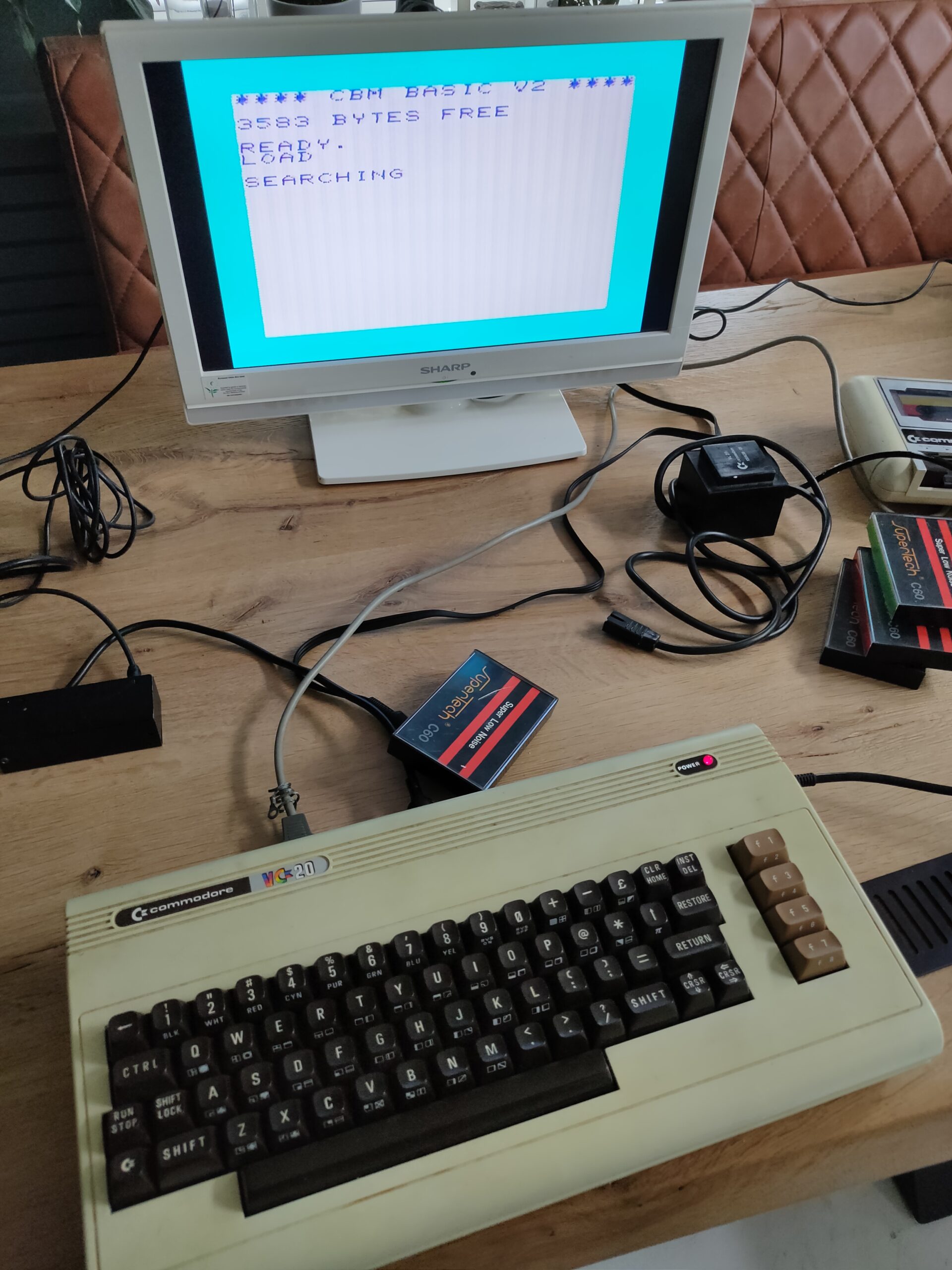
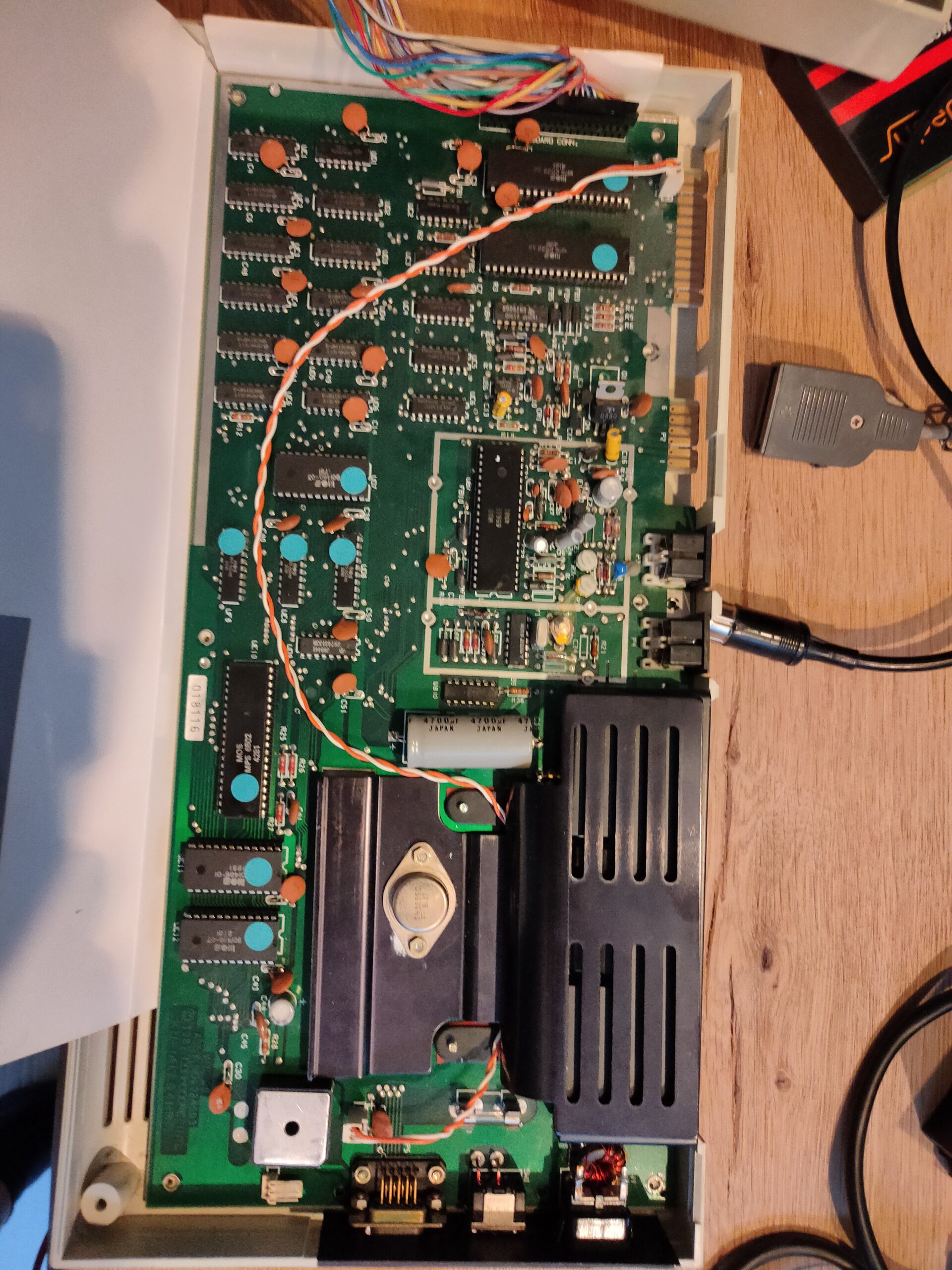
One Vic-20 working ( switched some keyboards and chips around )
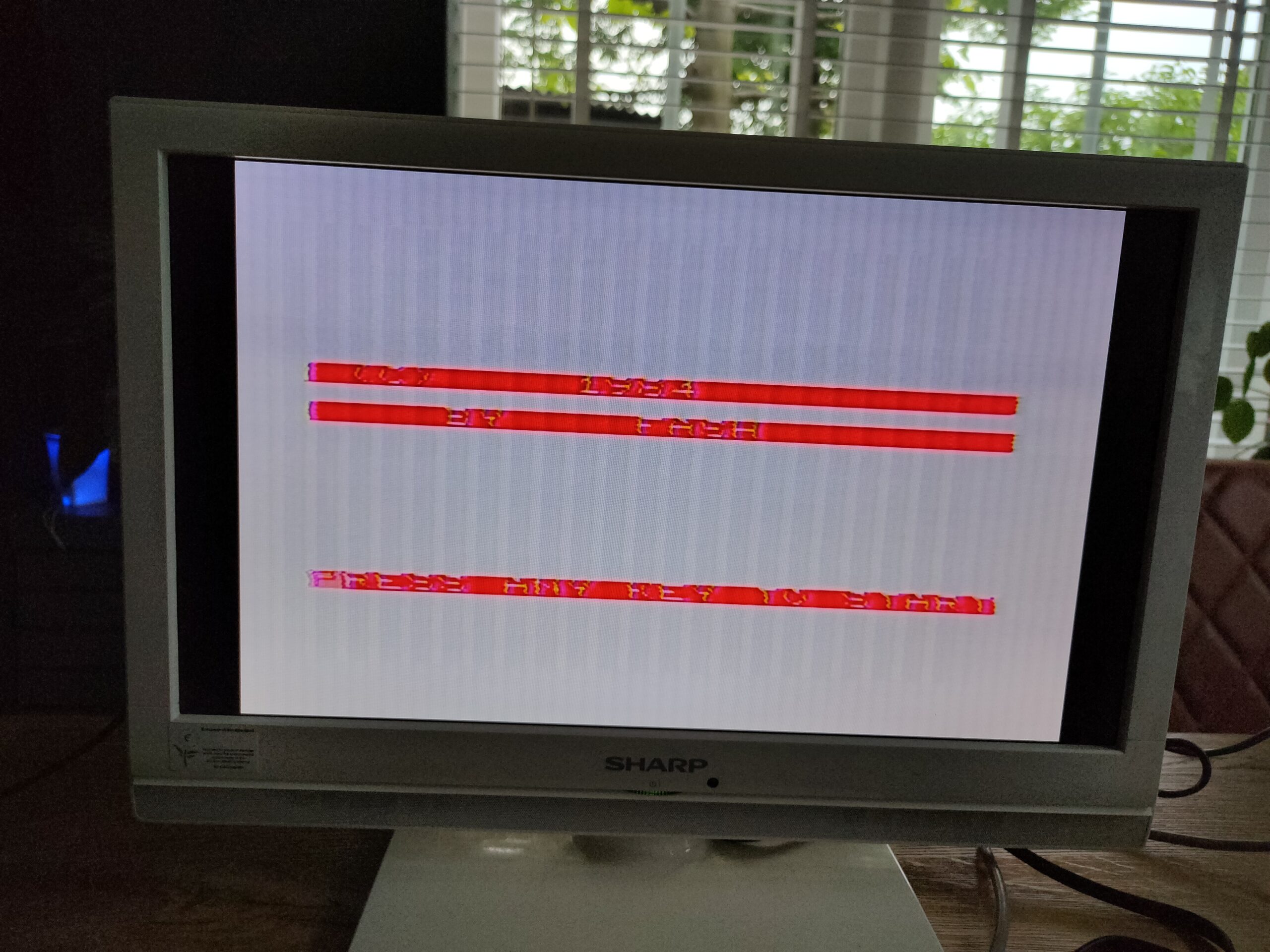
Something i made in 1984? .. then the fuse in my vic-20 power blew (250v 160mA)
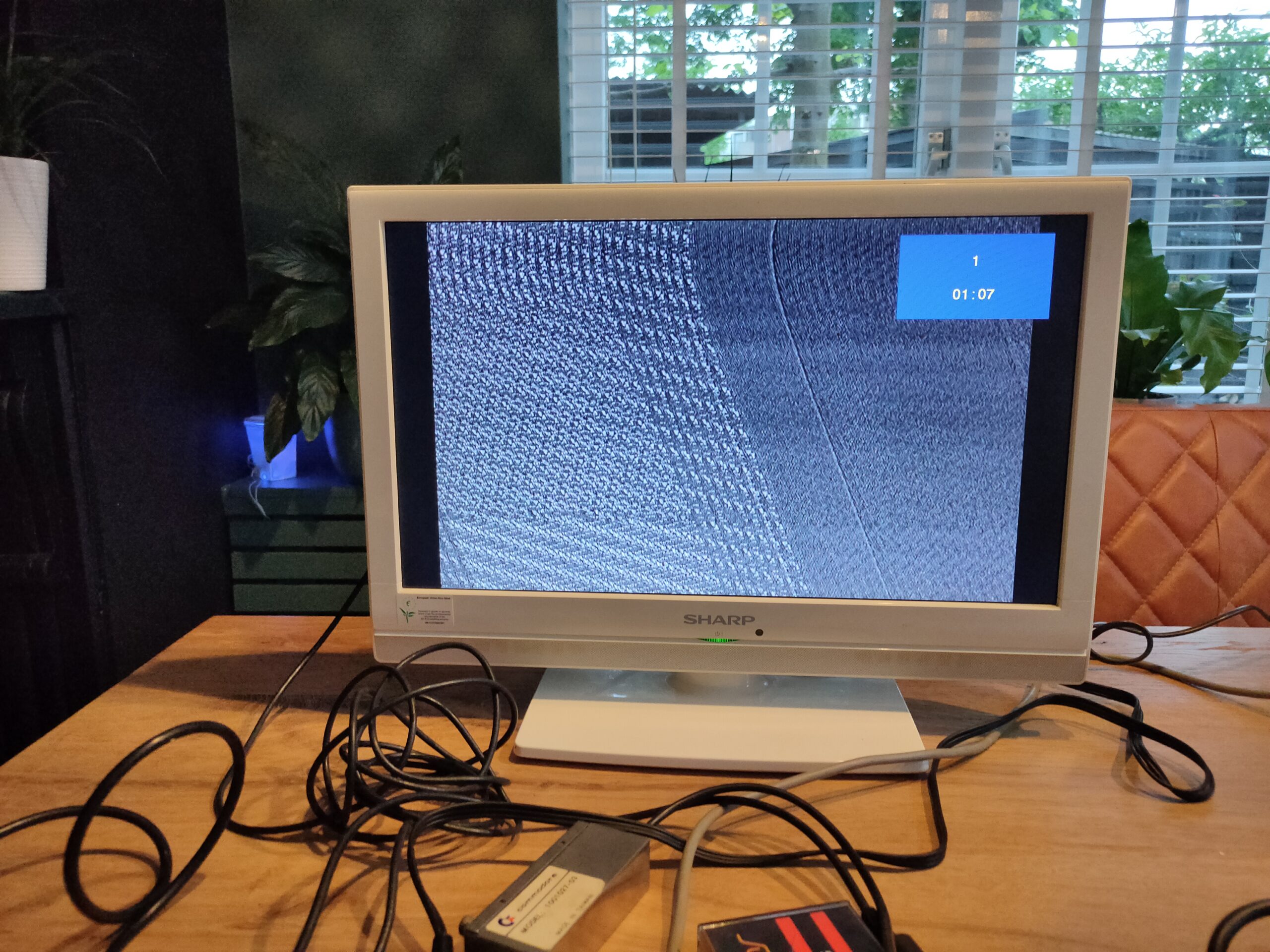
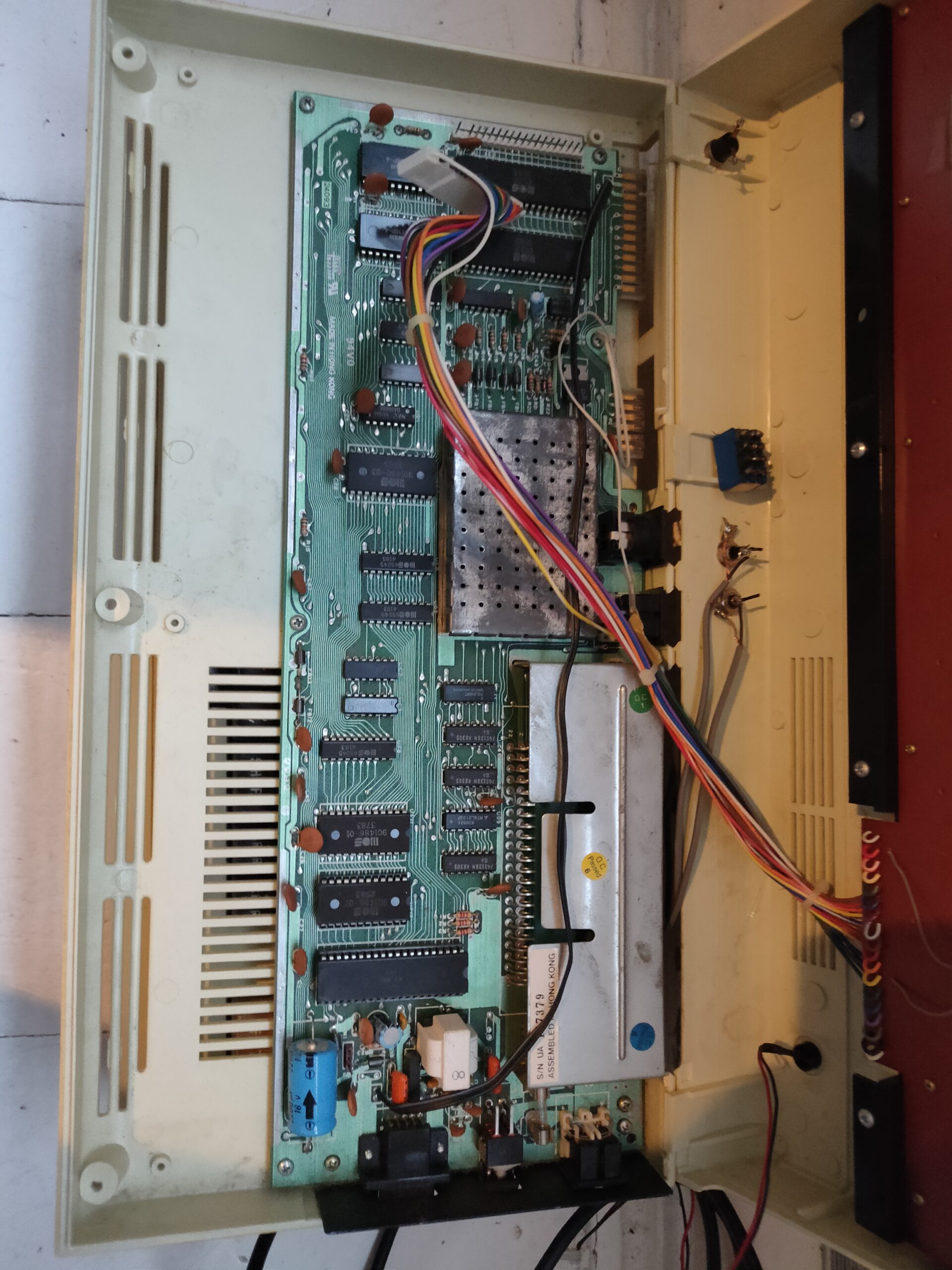
Another Vic-20 – with a Bad U31 (Oscillator)? or Vic video chip?
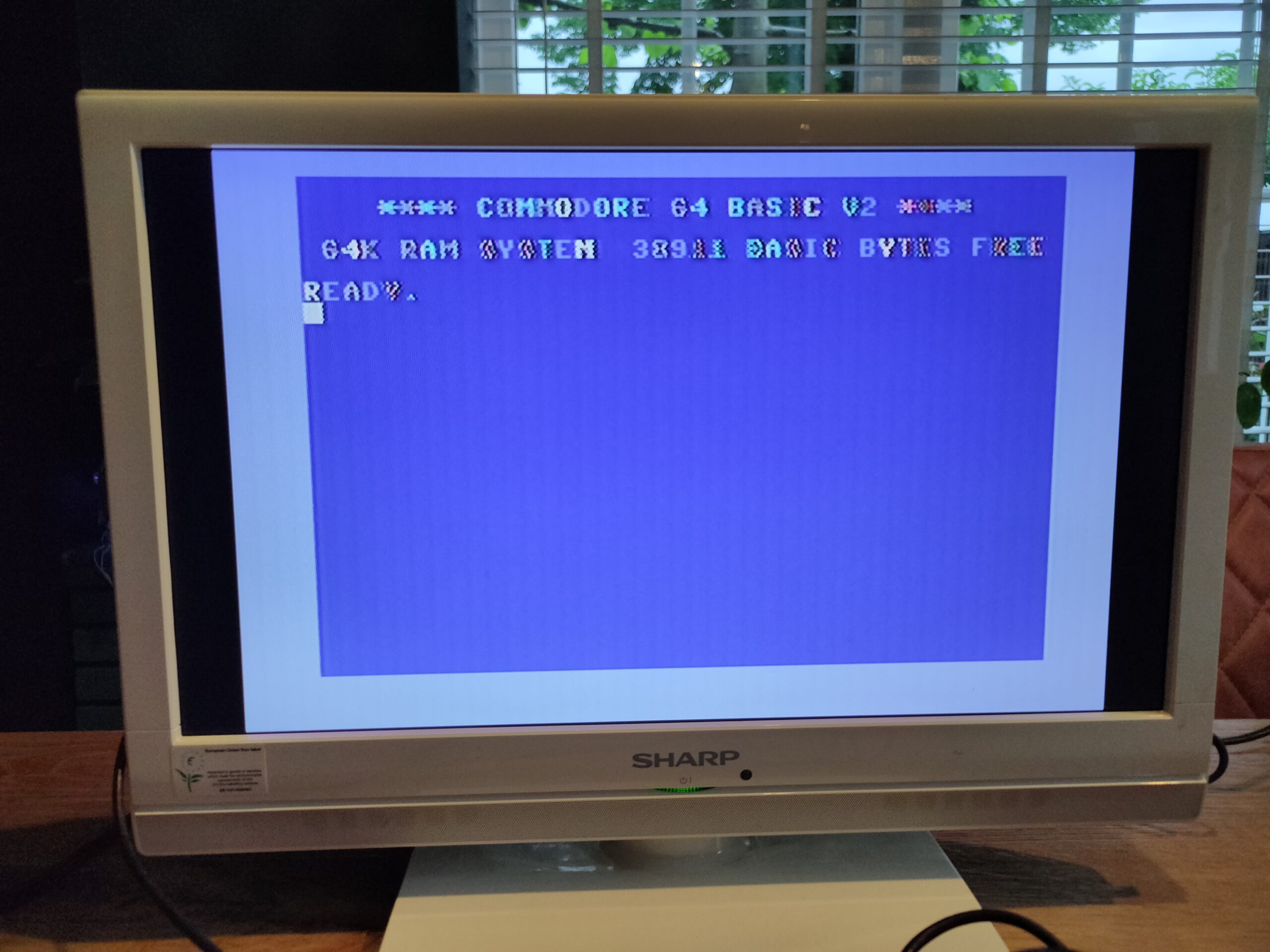
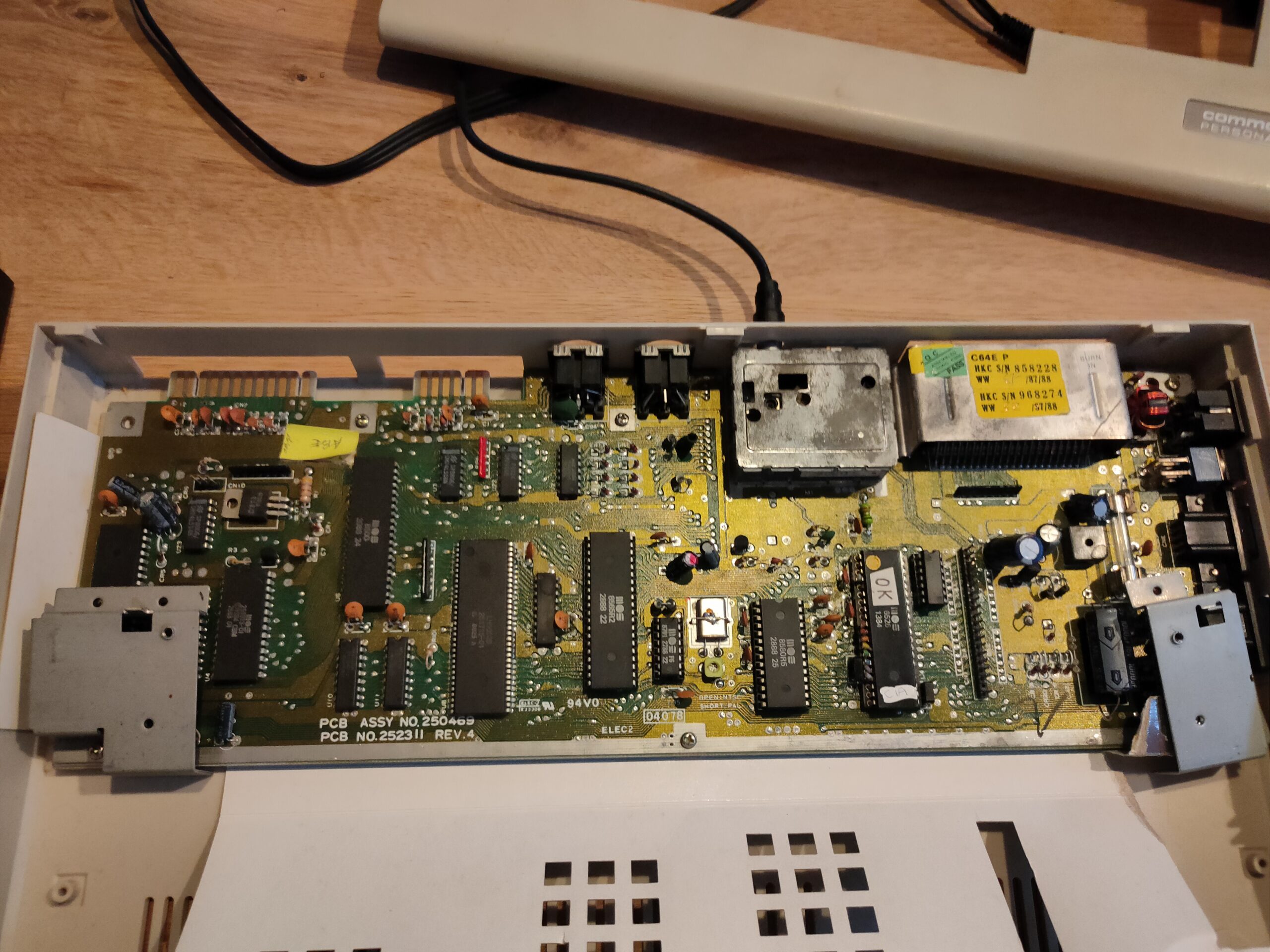
Left Vic-20 with buildin power convertor, right more common version.C64 C with a broken color-ram OR U29 74LS74 chipVic Graf Cartridge, graph a function with annoying sound
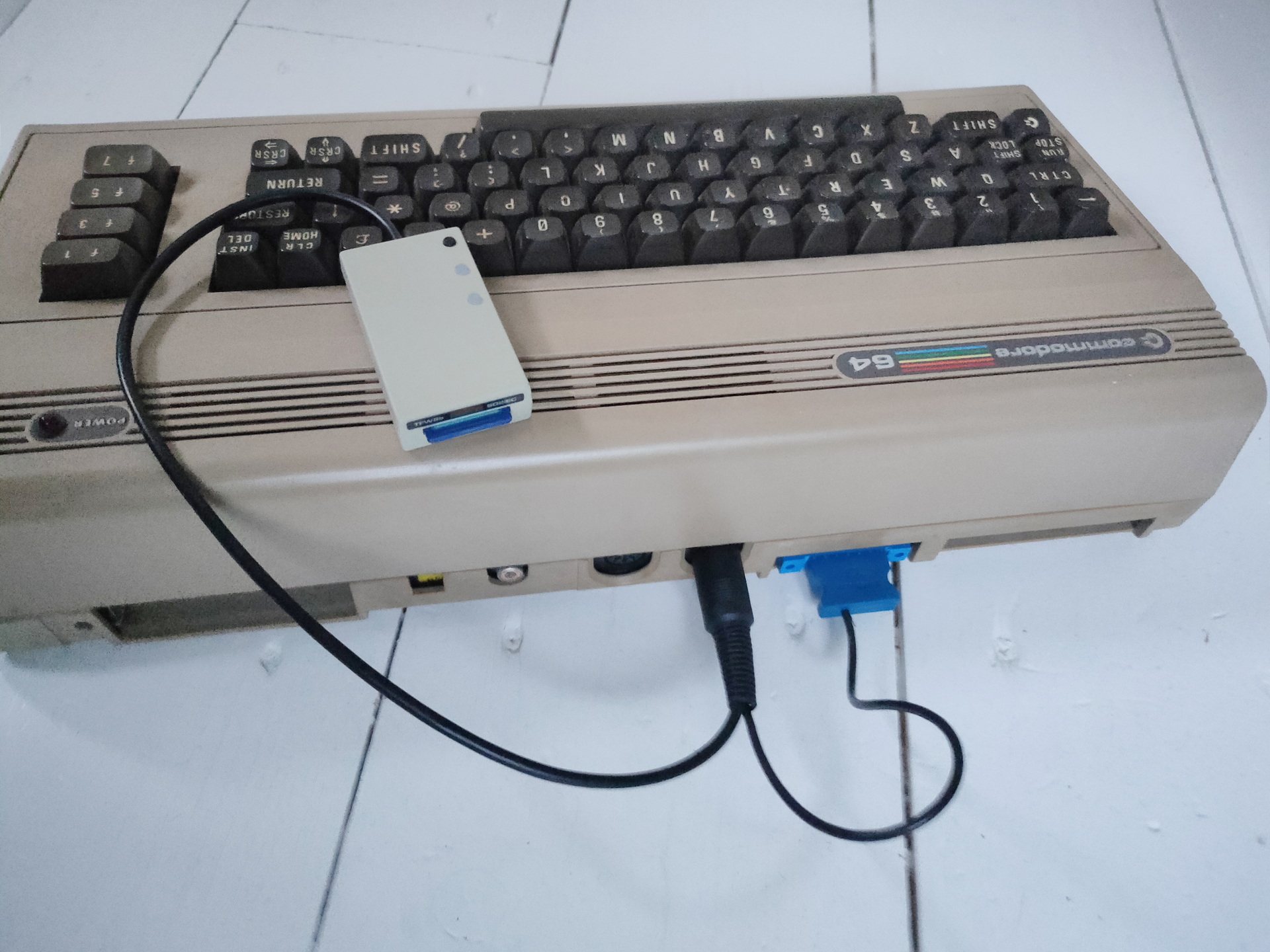
I’ve been using this for a while now, and i’m really impressed by it. It just connects to the Serial Din of your C64, draws power from the Cassette port. … And even looks like a mini drive!
I’ve been converting Disks to images as well as runnig previously converted D64 images on a real C64 again.
Also the internet provides loads of images to run again.
Converting and running:
For real floppy to image i used a empty image file. Made my real original drive device number 9, and used Dracopy (also below)
Image running on your real C64, just put a D64 disk image on your SDcard.
There is a disk selector and run program you can use. (See below) Also you can use the buttons for disk swap/change.
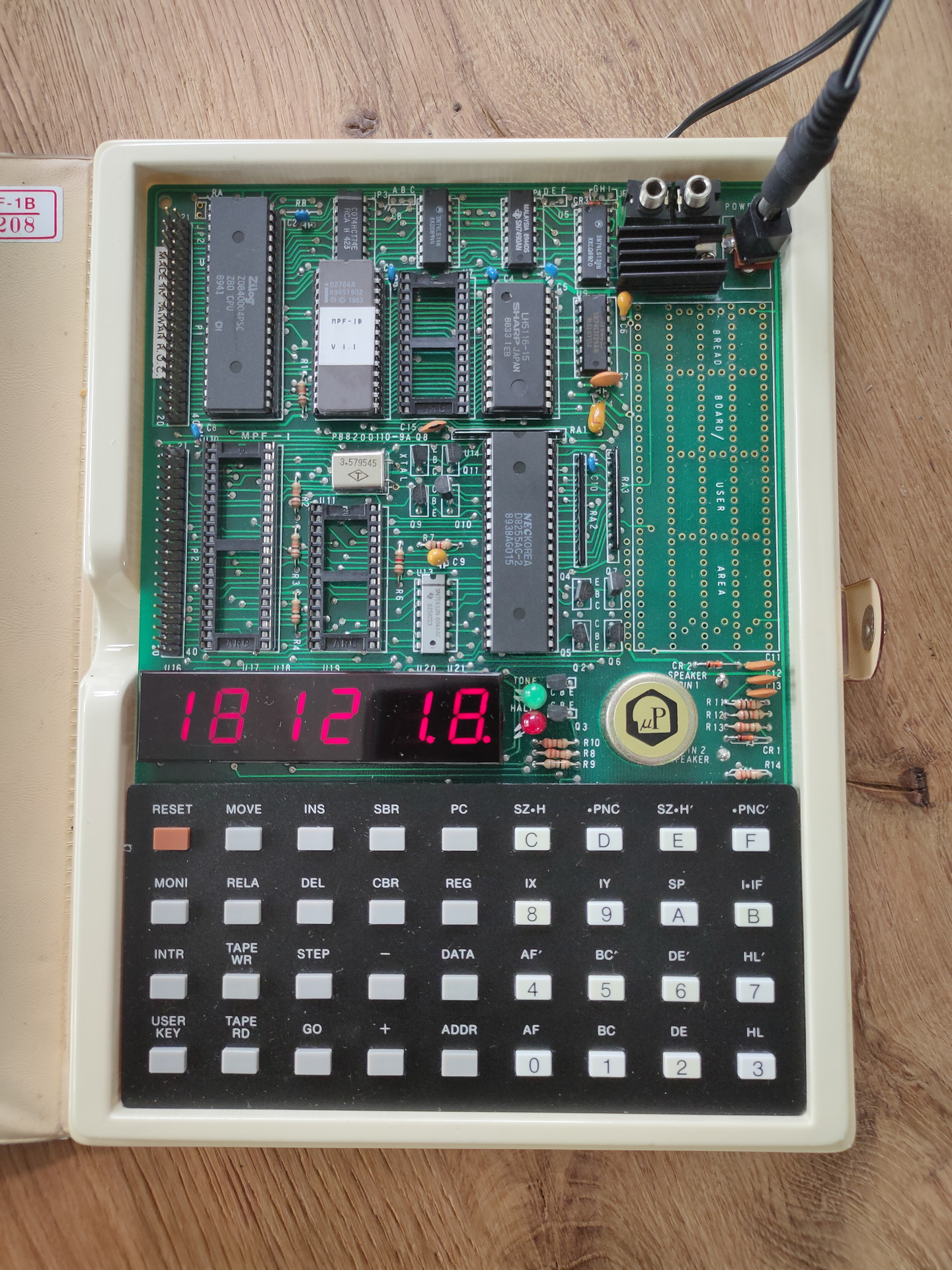
Running a little program to read dipswitches and displaying them using leds.
0000 CE 8020 ; LDX #$8020
0003 6A 01   ; DEC 1,X
0005 86 04   ; LDA A A
0007 A7 02   ; STA A 2,X
0009 A7 03   ; STA A 3,X
000B A6 00   ; LDA A 0,X
000D A7 01   ; STA A 1,X
000F 20 FA   ; BRA
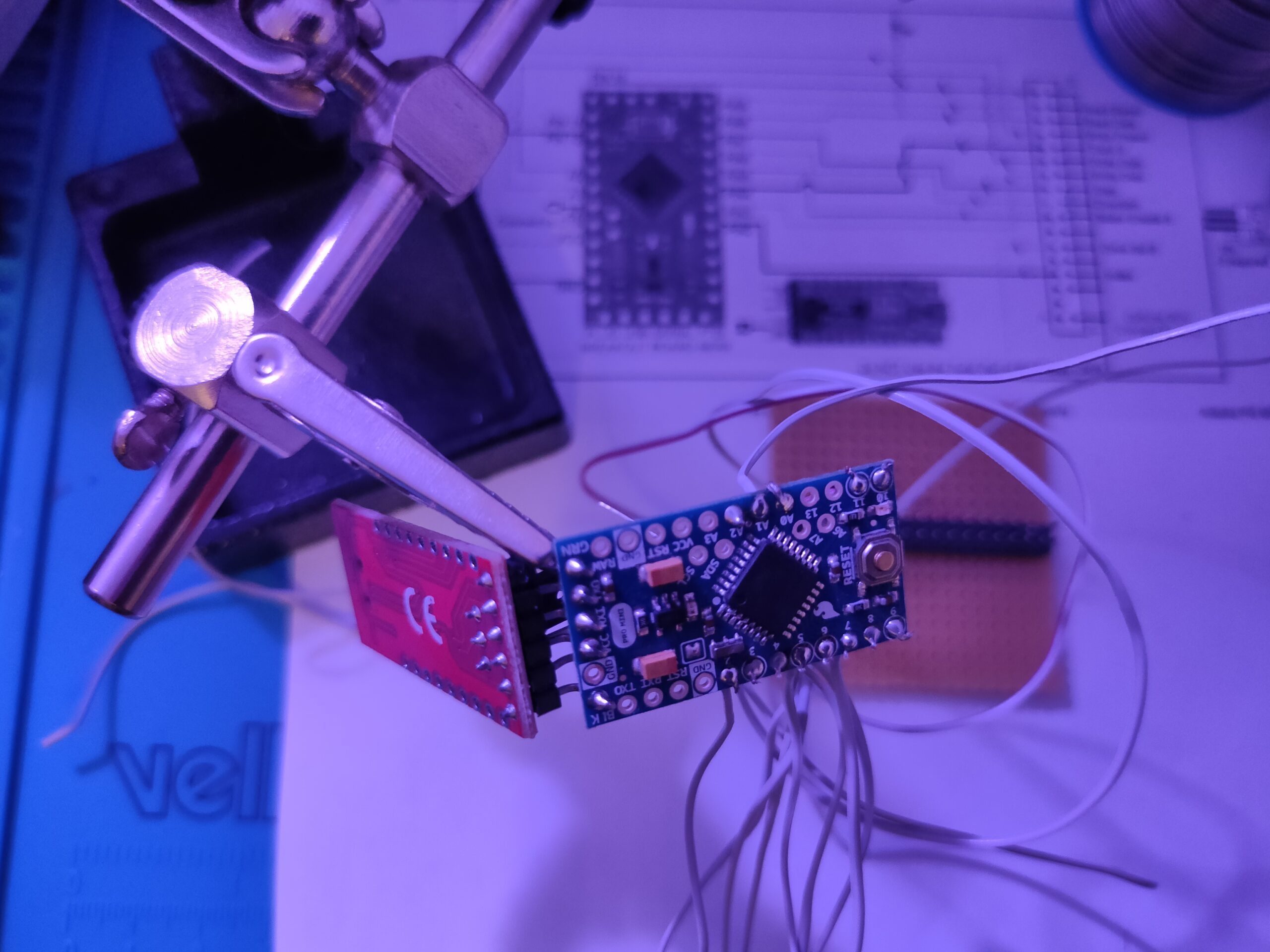
For my amiga i started to build a floppy disk reader/writer using a arduino. I found a superb project by rob smith. It uses only a arduino pro and a FTDI USB to serial breakout board, to raw read and write disks. I wanted to convert my own created amiga disks to PC image to use in a emulator like vice.
Many years ago i started segmenting my network using vlans.
In 2022 i started to reconfigure my lab and using a lot more Mikrotik switches. So how many … is to many, because i always overdo stuff.
Well .. is 9 to many for home environments?
default vlan – did’t bother to configure
old DMZ .. to be migrated
DMZ – my servers live here
Wifi personal workstations – Mobiles and laptops .. macaddress limited
IOT – only arduino’s, raspberries and other hardware live here
Personal workstations – UTP connected workstations with less networking limitations
LAB – My lab environment, Ovirt virtualisation for fun and manage access to servers in dmz
Storage – my SFP enabled all-flash storage
Management – really tight restricted access to management interfaces (switches/routers/storage/ILO)
Hard to manage? All those vlan’s? .. Sure, but i learn a lot! (Not really .. when you got the basics down, more of the same. Hardest part? .. not cutting-off connections/switchports you are using!)
"If something is worth doing, it's worth overdoing."